
Quick Overview: Aluminium windows and doors offer durability, low maintenance, modern aesthetics, and strong weather resistance, making them popular in construction projects. This article examines their key advantages and disadvantages, helping builders, developers, and homeowners determine whether aluminium systems suit their needs.
When selecting materials for construction projects, aluminium windows and doors have become a top choice for contractors and interior designers. Their sleek design, durability, and versatility make them ideal for modern and traditional architectural styles alike. However, like any material, aluminium has its pros and cons that you should consider before making a decision.
In this article, we’ll dive into the 10 advantages and disadvantages of using aluminium windows and doors in construction projects. By the end, you’ll have a clear understanding of whether aluminium is the right choice for your project.
- Advantages of Aluminium Windows and Doors
- Disadvantages of Aluminium Windows and Doors
- 1. Higher Initial Cost
- 2. Thermal Conductivity
- 3. Limited Color Retention in Poor-Quality Finishes
- 4. Susceptibility to Scratches
- 5. Condensation Issues
- 6. Not Ideal for Traditional Aesthetics
- 7. Complex Repairs
- 8. Cold Surface Feel
- 9. Dependence on Quality Installation
- 10. Potential for Corrosion in Harsh Environments
- Conclusion
- FAQs about aluminium windows and doors
Advantages of Aluminium Windows and Doors
1. Durability and Longevity
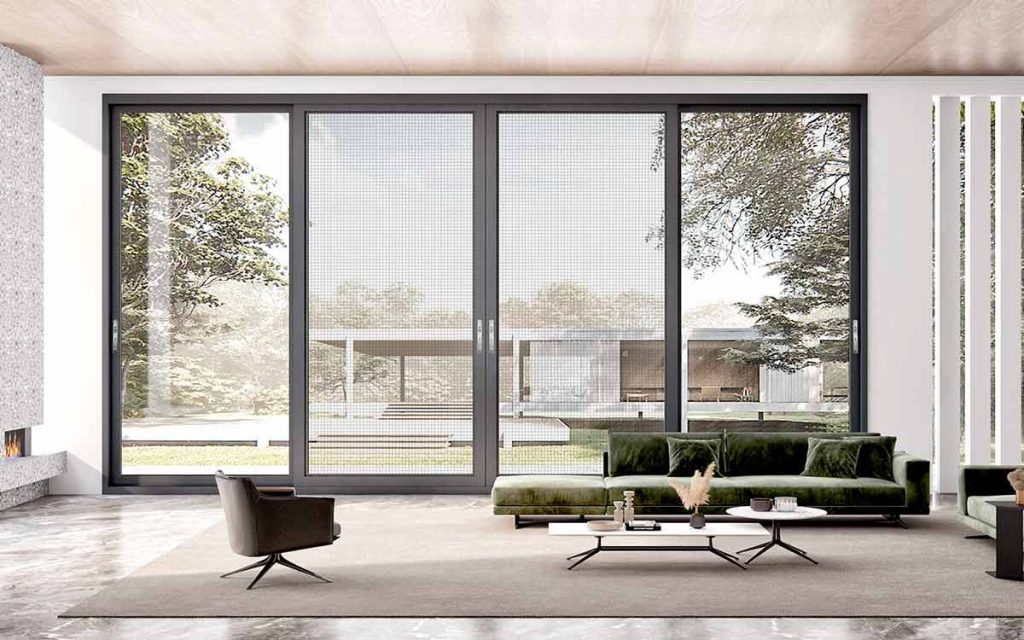
Aluminium is a highly durable material that can withstand harsh weather conditions without warping, cracking, or corroding. Unlike wood, which may rot over time, or uPVC, which can degrade under extreme temperatures, aluminium is resistant to environmental wear and tear. This makes it an excellent choice for long-term use in construction projects.
2. Lightweight Yet Strong
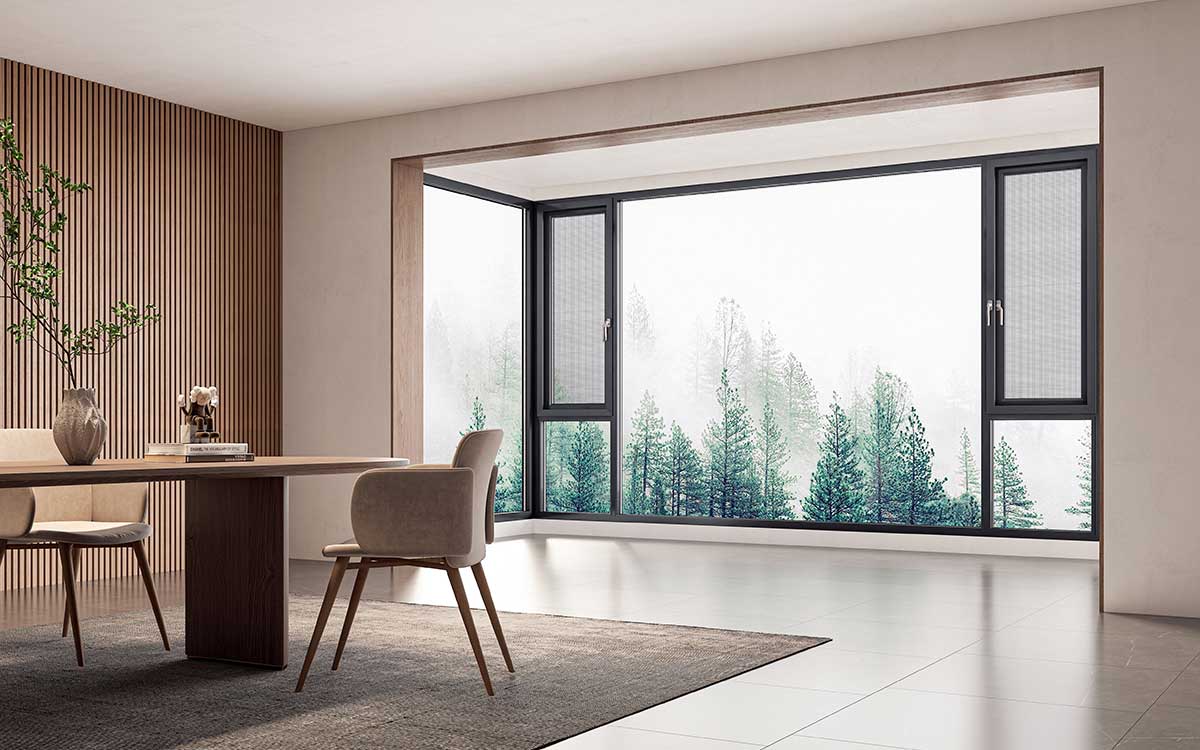
Despite being lightweight, aluminium is exceptionally strong. This unique combination allows for the creation of slim frames that support large panes of glass without compromising structural integrity. For modern architectural designs that emphasize open spaces and natural light, aluminium windows and doors is an ideal solution.
3. Low Maintenance
One of the key advantages of aluminium is its low maintenance requirements. Unlike wooden windows and doors that need frequent painting or sealing, aluminium requires occasional cleaning to maintain its appearance. Its powder-coated or anodized finishes are resistant to rust and fading, ensuring a long-lasting aesthetic.
4. Energy Efficiency
Modern aluminium windows and doors are designed with energy efficiency in mind. Many come with thermal break technology, which reduces heat transfer between the inside and outside of a building. Paired with double or triple-glazed glass, aluminium frames can significantly improve insulation and lower energy costs.
5. Aesthetic Versatility
Aluminium offers unmatched versatility when it comes to design. It can be powder-coated in a wide range of colors and finishes to suit any architectural style—whether you’re going for a sleek, modern look or something more traditional. Its minimalist frames also provide a clean and elegant appearance.
6. Eco-Friendly Material
Aluminium is a sustainable building material. It is 100% recyclable without losing its quality or strength during the recycling process. By choosing aluminium windows and doors, you’re contributing to environmentally friendly construction practices.
7. Fire Resistance
Aluminium is non-combustible, making it a safer choice for construction projects compared to materials like wood or plastic. Its fire-resistant properties can provide an added layer of safety for both residential and commercial buildings.
8. Customization Options
From sliding doors to bi-fold windows, aluminium can be customized into a variety of shapes and configurations to meet the specific needs of your project. Whether you’re designing a compact apartment or a sprawling villa, aluminium offers flexibility in design.
9. Noise Reduction
When paired with high-quality glass, aluminium frames can provide excellent sound insulation. This makes them an ideal choice for urban environments or buildings located near busy roads or airports where noise reduction is a priority.
10. Cost-Effective in the Long Run
Although the initial cost of aluminium windows and doors may be higher than alternatives like uPVC, their durability and low maintenance requirements make them a cost-effective choice over time. Their long lifespan means fewer replacements and repairs are needed, saving money in the long run.
Disadvantages of Aluminium Windows and Doors
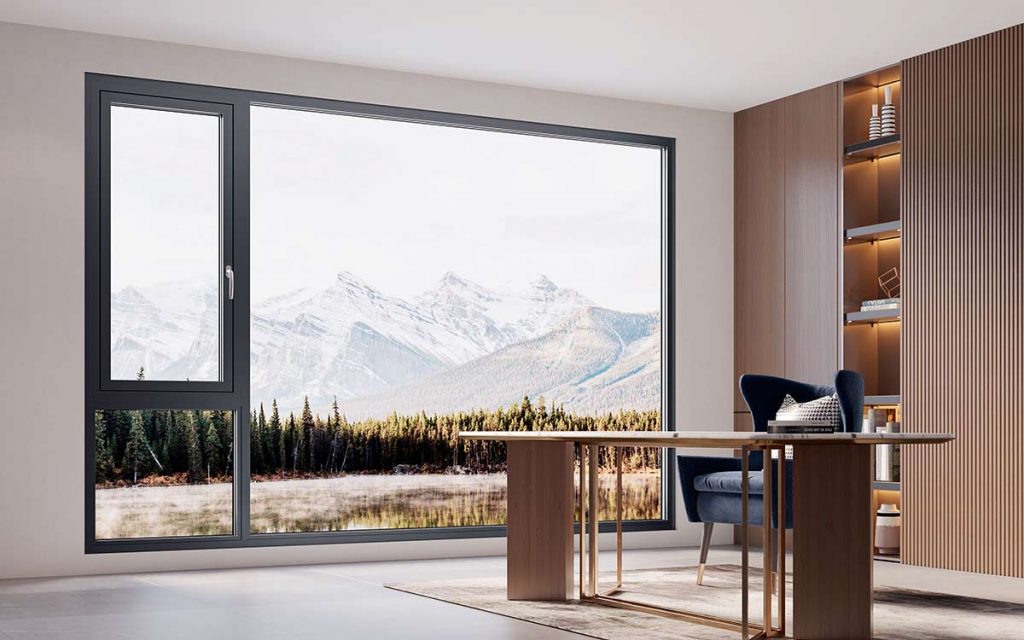
While aluminium has many advantages, it’s important to consider its limitations as well.
1. Higher Initial Cost
As mentioned earlier, aluminium windows and doors tend to be more expensive upfront compared to materials like uPVC or wood. This may not be friendly enough for projects with tight budgets. But in the long run, the benefits often outweigh the initial investment.
2. Thermal Conductivity
Although modern aluminum frames are equipped with thermal breaks to improve insulation, aluminum is naturally a good conductor of heat. Without proper thermal technology, it can lead to heat loss in winter and heat gain in summer, impacting energy efficiency.
3. Limited Color Retention in Poor-Quality Finishes
While high-quality powder coatings are durable and resistant to fading, lower-quality finishes may lose their color over time when exposed to direct sunlight or harsh weather conditions. It’s crucial to choose reputable manufacturers for your aluminium products.
4. Susceptibility to Scratches
Although aluminium is strong and durable, its surface can be prone to scratches if not handled carefully during installation or cleaning. Protective coatings can help mitigate this issue, but it’s something to keep in mind during construction.
5. Condensation Issues
In areas with high humidity or fluctuating temperatures, condensation can sometimes form on aluminium frames. This can lead to moisture buildup if not properly addressed with adequate ventilation or thermal breaks.
6. Not Ideal for Traditional Aesthetics
While aluminium excels in modern and contemporary designs, it may not be the best choice for projects that require a more traditional or rustic appearance. Wood may be better suited in such cases due to its natural texture and warmth.
7. Complex Repairs
Although rare, if damage does occur to an aluminium frame, repairs can be more complex compared to other materials like wood or uPVC. In some cases, replacement may be necessary, which could increase costs.
8. Cold Surface Feel
Aluminium tends to feel cold to the touch due to its high thermal conductivity. While this may not impact functionality, it could be a consideration for homeowners prioritizing comfort.
9. Dependence on Quality Installation
The performance of aluminium windows and doors heavily depends on proper installation. Poorly installed frames can result in air leaks, water ingress, or reduced energy efficiency, so it’s essential to work with experienced professionals.
10. Potential for Corrosion in Harsh Environments
Although aluminium is generally corrosion-resistant, it may still corrode in highly saline environments (e.g., coastal areas). Special coatings or treatments are necessary to ensure longevity in such conditions.
Conclusion
Aluminium windows and doors offer a wealth of advantages that make them an excellent choice for many construction projects—from durability and low maintenance to aesthetic versatility and energy efficiency. However, they also come with some drawbacks that should be carefully considered depending on your project’s requirements and budget.
If you’re looking for high-quality aluminium windows and doors tailored to your construction needs, OPPOLIA has you covered. OPPOLIA offers a wide range of options designed to meet not only functional requirements but also personal taste and architectural style.
Learn more about the OPPOLIA aluminum windows and doors collection today! Contact us today to get a free quote and take the first step toward elevating your project’s design and performance!
FAQs about aluminium windows and doors
Aluminium windows and doors are valued for their strength, durability, corrosion resistance, slim profiles, low maintenance requirements, and modern appearance. They also support large glass panels while maintaining structural integrity.
They can be energy efficient when equipped with thermal breaks, insulated frames, and high-performance glazing. Modern aluminium systems significantly improve insulation compared to traditional aluminium frames.
High-quality aluminium windows and doors can last 30 years or more with proper installation and minimal maintenance, making them a long-term investment for residential and commercial buildings.
Potential drawbacks include higher initial costs than some alternatives, heat conductivity in non-thermally broken frames, and the possibility of condensation issues in certain climates if poorly designed.
Yes. Powder-coated or anodized aluminium systems offer excellent resistance to corrosion and harsh weather conditions, making them a popular choice for coastal and high-humidity environments.