
Creating memorable guest experiences starts with exceptional boutique hotel design. Today’s travelers expect more than comfort. They seek authentic spaces that reflect local culture while delivering premium amenities and timeless elegance. For hotel room designers, architects, and contractors, understanding international design preferences can help create boutique hotels that stand out in a competitive hospitality market.
This guide explores 12 boutique hotel design ideas from around the world, highlighting distinctive regional styles, essential design features, and practical tips for incorporating local character into luxury hotel projects.
- 1. China: Modern Luxury Meets Traditional Elegance
- 2. Japan: Zen Simplicity
- 3. Italy: Timeless Sophistication
- 4. France: Parisian Boutique Elegance
- 5. Morocco: Rich Colors and Artisanal Craftsmanship
- 6. Scandinavia: Functional Luxury
- 7. India: Vibrant Heritage
- 8. Greece: Mediterranean Calm
- 9. Mexico: Contemporary Tropical Design
- 10. United Arab Emirates: Contemporary Opulence
- 11. Thailand: Tropical Serenity
- 12. United States: Contemporary Boutique Style
- Conclusion
- Partner with OPPOLIA
- FAQs about Hotel Room Designs
1. China: Modern Luxury Meets Traditional Elegance
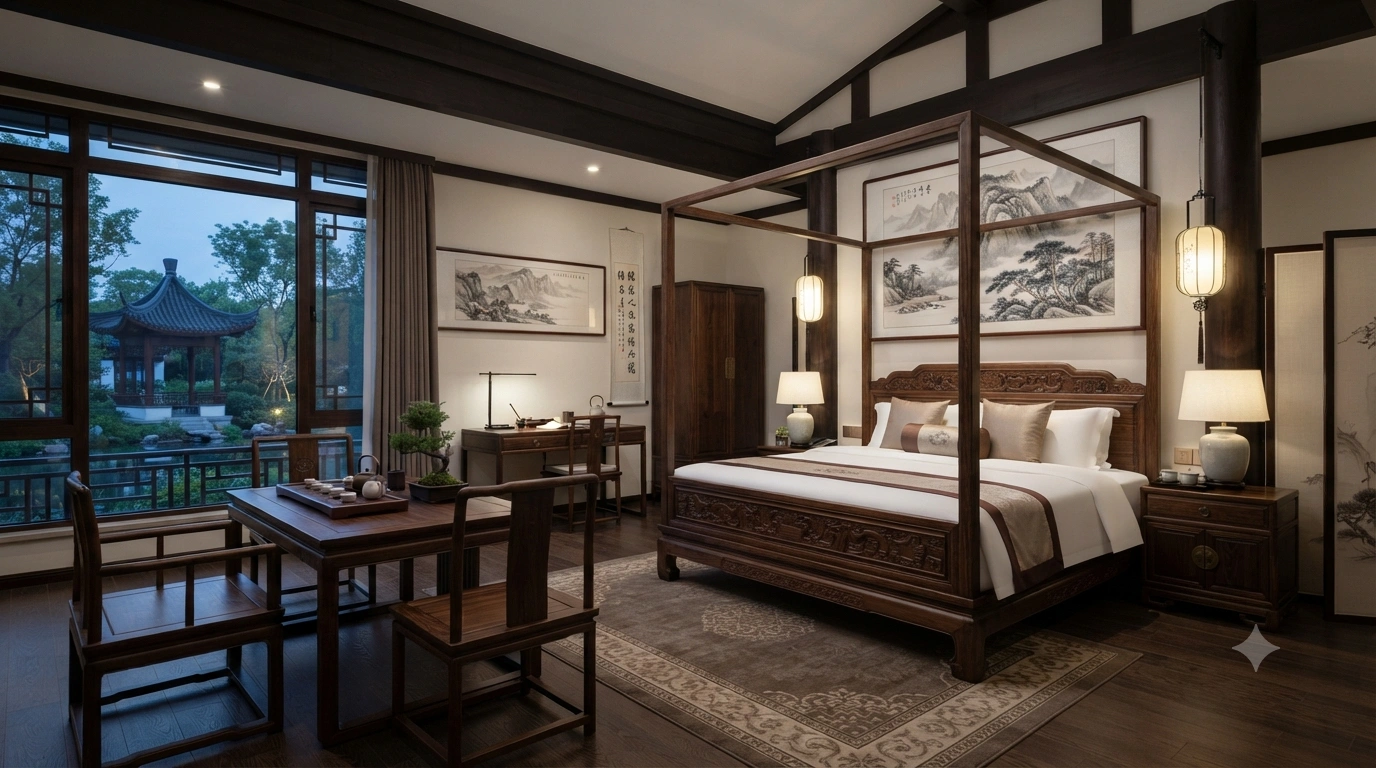
Chinese boutique hotels seamlessly blend centuries-old cultural heritage with contemporary luxury, creating refined interiors that feel both authentic and sophisticated. Inspired by traditional architecture, calligraphy, and natural philosophy, modern Chinese hotel rooms emphasize balance, harmony, and understated elegance. Designers often reinterpret classic motifs through minimalist layouts, premium materials, and custom furniture, delivering spaces that appeal to international travelers while preserving a strong sense of local identity and craftsmanship.
Key Features
- Walnut or dark wood furniture
- Traditional lattice screens
- Ink wash paintings
- Marble with brass accents
- Bamboo and natural stone
- Neutral palettes with jade green or deep red highlights
Design Tips
Use contemporary furniture with subtle traditional details, incorporating handcrafted decorative elements without overwhelming the space.
2. Japan: Zen Simplicity
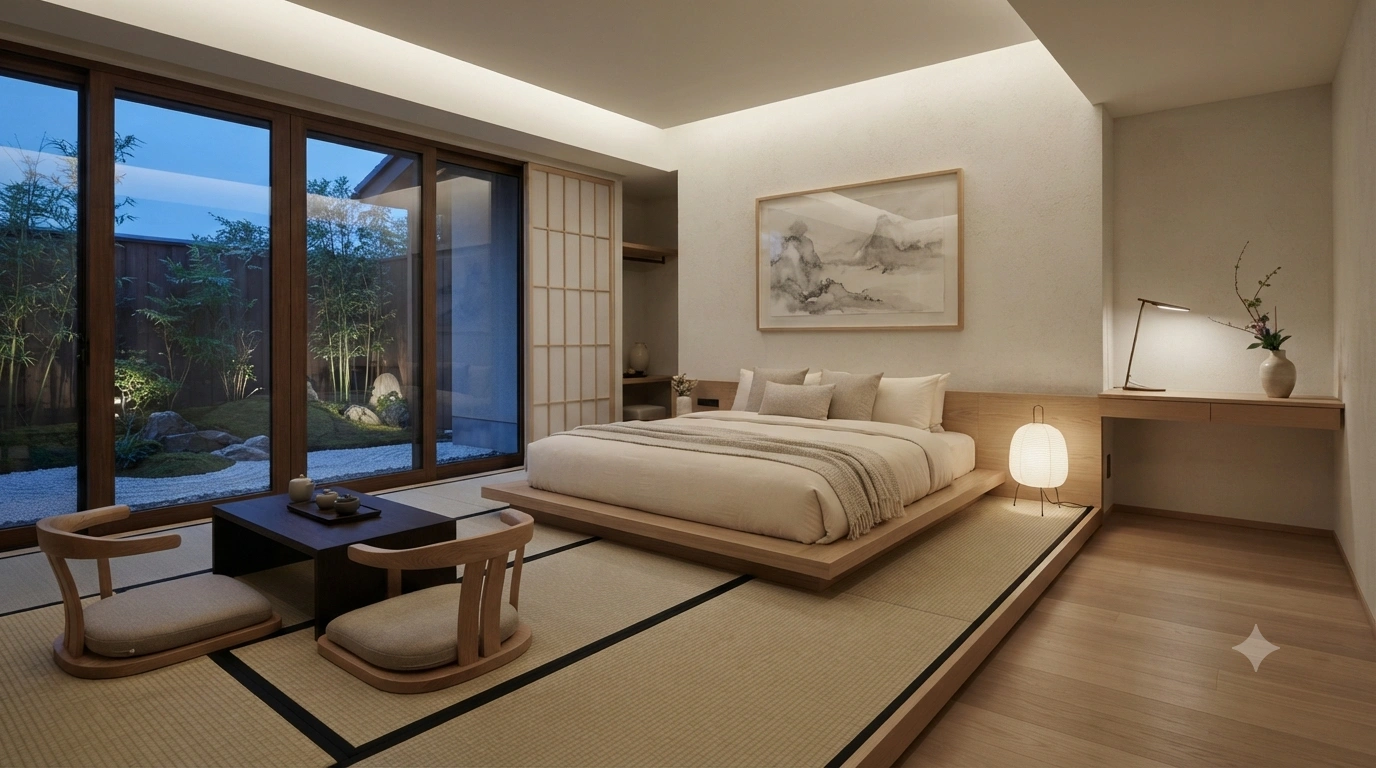
Japanese boutique hotel interiors focus on tranquility, simplicity, and a close connection with nature. Rooted in Zen philosophy, these spaces remove unnecessary decoration and celebrate natural textures, balanced proportions, and carefully curated details. Every element has a purpose, creating an environment that encourages relaxation and mindfulness. This timeless approach to luxury hotel room design offers guests a peaceful retreat while maximizing functionality through thoughtful layouts and minimalist aesthetics.
Key Features
- Tatami-inspired textures
- Natural oak finishes
- Shoji sliding screens
- Soft indirect lighting
- Low-profile furniture
- Earth-tone color palette
Design Tips
Prioritize clean lines, natural materials, and open layouts that create a calming guest experience.
3. Italy: Timeless Sophistication
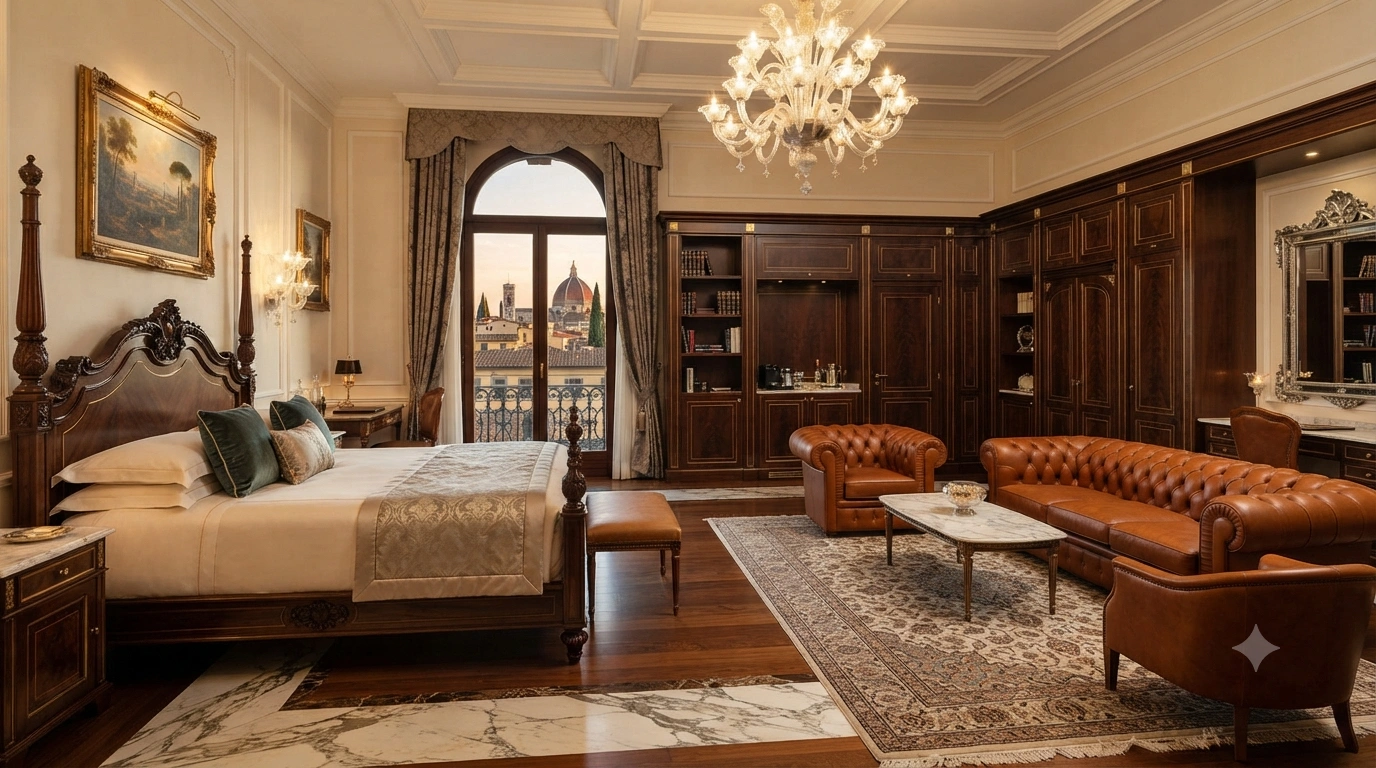
Italian boutique hotels are known for combining artistic heritage with contemporary luxury. Interiors showcase exceptional craftsmanship through bespoke furniture, premium marble, fine leather, and elegant architectural detailing. Rather than following short-lived trends, Italian design focuses on enduring beauty, quality materials, and refined proportions. The result is a luxurious environment where every element contributes to a sophisticated guest experience while maintaining warmth and comfort.
Key Features
- Marble surfaces
- Leather upholstery
- Brass accents
- Custom cabinetry
- Sculptural lighting
- Rich neutral colors
Design Tips
Invest in timeless materials and elegant detailing that maintain their appeal for years.
4. France: Parisian Boutique Elegance
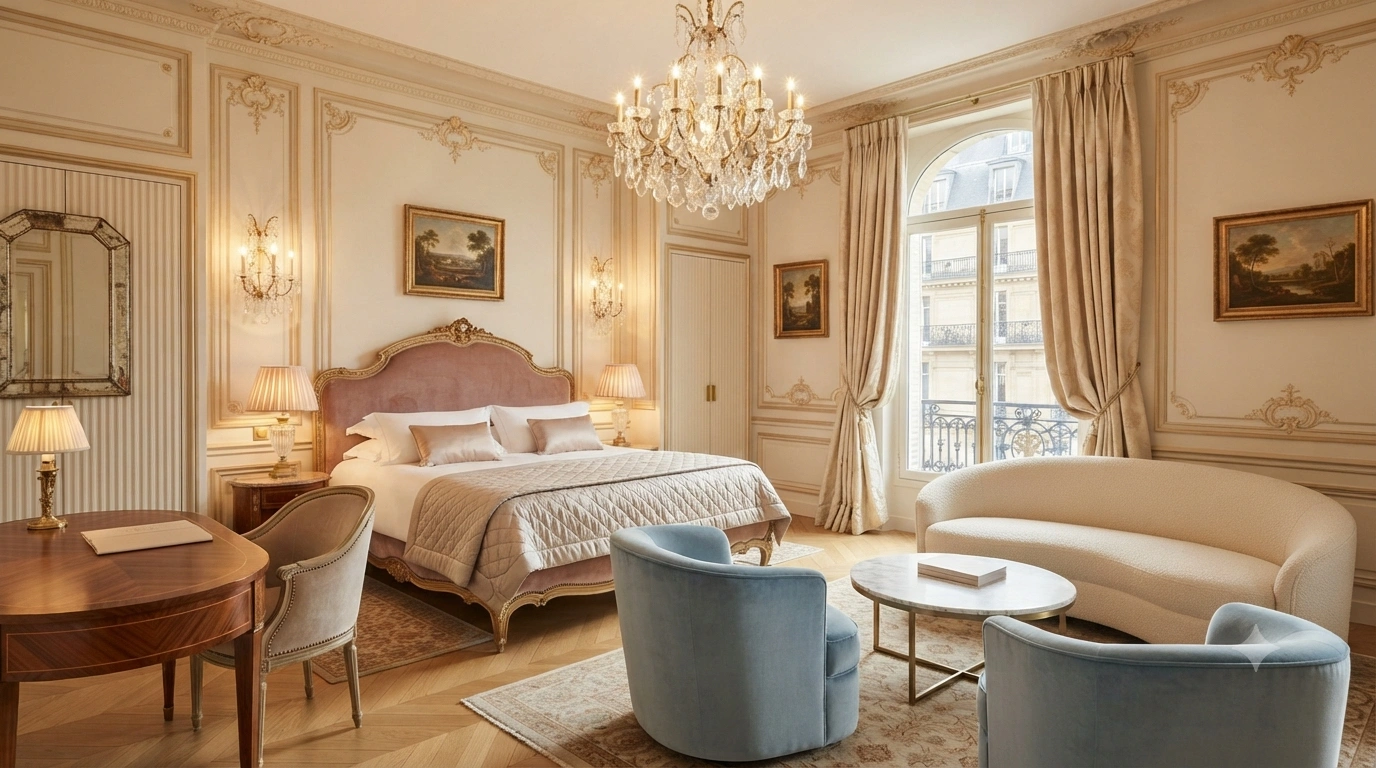
French boutique hotels blend historic architecture with contemporary comfort to create interiors full of charm and sophistication. Inspired by classic Parisian apartments, these spaces feature decorative moldings, luxurious fabrics, vintage-inspired furnishings, and refined color palettes. Modern updates are thoughtfully integrated to preserve historical character while meeting today’s hospitality standards, making French-inspired hotel rooms both elegant and highly functional.
Key Features
- Decorative wall molding
- Velvet upholstery
- Crystal lighting
- Herringbone flooring
- Curved furniture
- Neutral luxury palette
Design Tips
Mix classic architectural details with modern furnishings to achieve timeless elegance.
5. Morocco: Rich Colors and Artisanal Craftsmanship
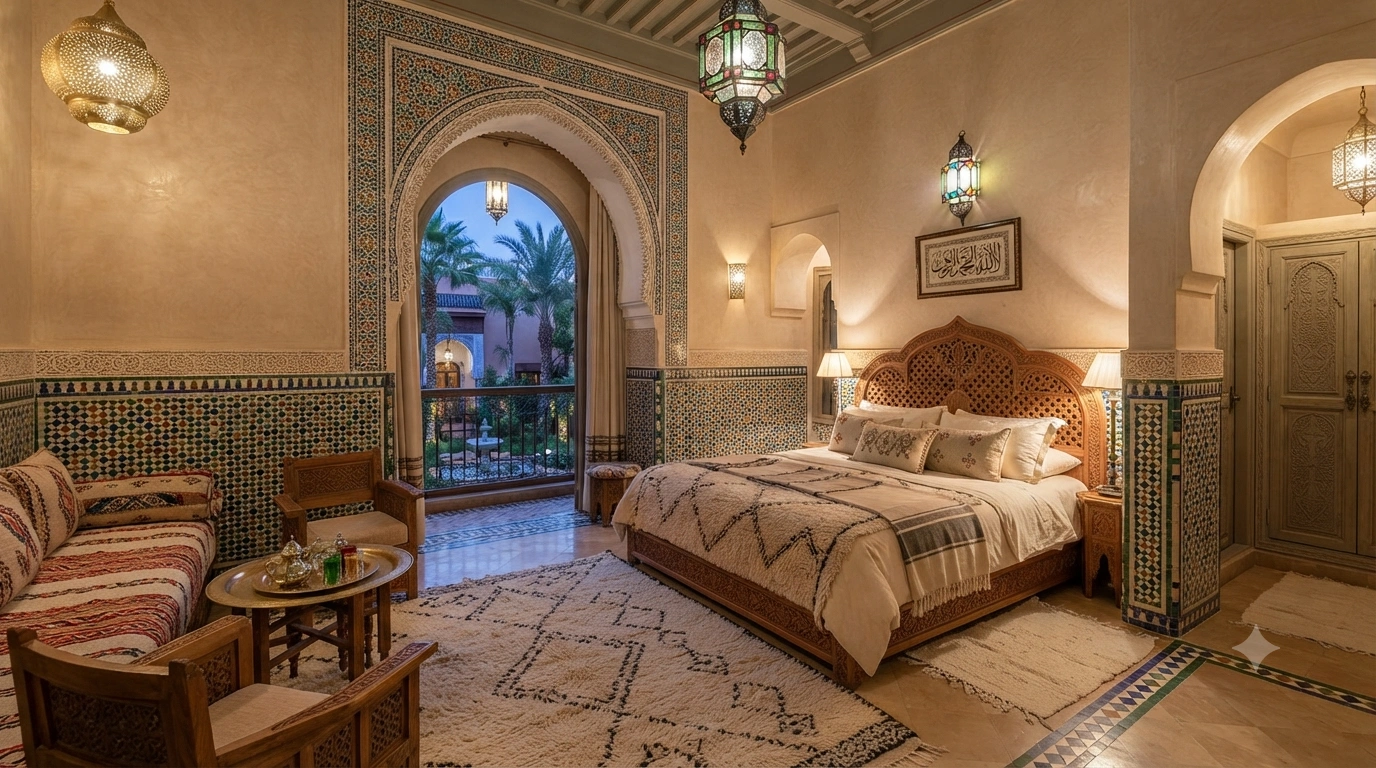
Moroccan boutique hotels immerse guests in vibrant culture through handcrafted interiors filled with texture, color, and intricate detailing. Traditional craftsmanship plays a central role, featuring hand-cut mosaic tiles, carved wood, decorative plasterwork, and handcrafted metal lighting. Modern luxury is achieved by balancing these rich decorative elements with spacious layouts and contemporary comforts, creating visually memorable guest rooms with authentic local character.
Key Features
- Mosaic tiles
- Brass lanterns
- Carved wood
- Arched openings
- Rich jewel tones
- Handwoven textiles
Design Tips
Use handcrafted focal points while maintaining a balanced, uncluttered interior.
6. Scandinavia: Functional Luxury
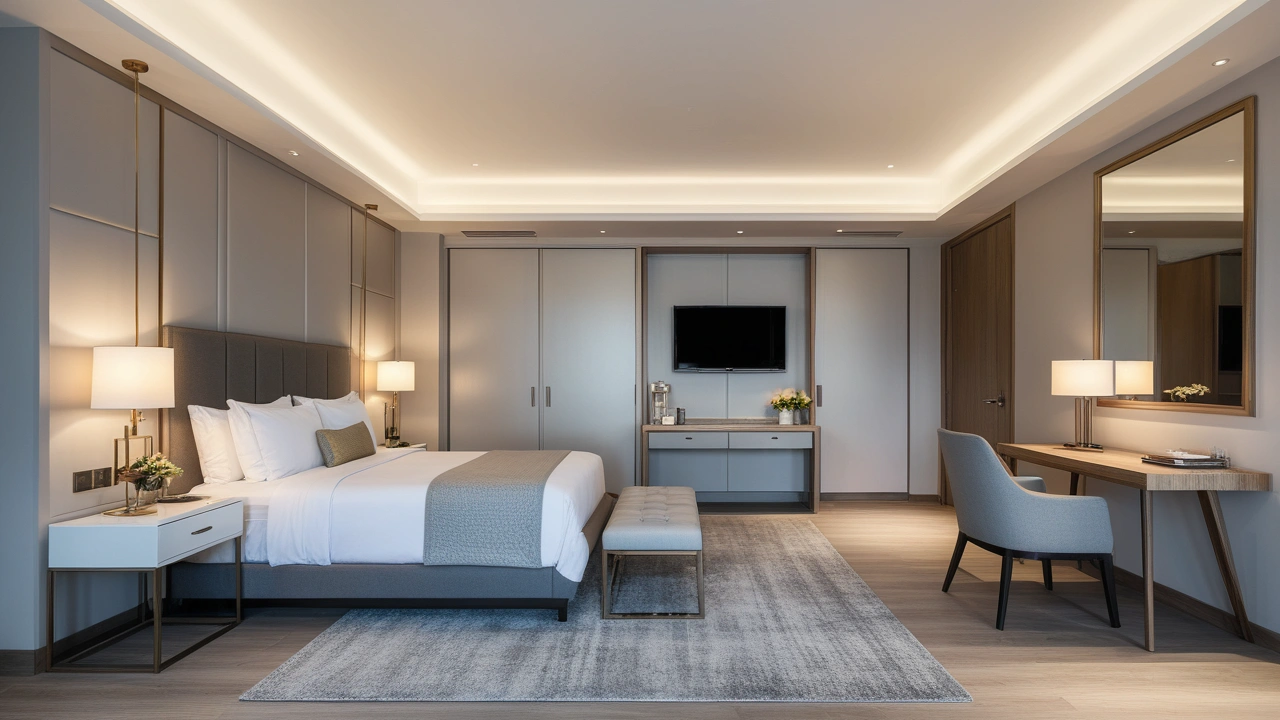
Scandinavian boutique hotels demonstrate that luxury can be achieved through simplicity, comfort, and thoughtful functionality. Inspired by Nordic living, interiors feature clean lines, abundant natural light, sustainable materials, and carefully selected furnishings. Every design decision emphasizes guest comfort while maintaining an uncluttered appearance. The result is a welcoming atmosphere that feels warm, modern, and effortlessly elegant throughout every season.
Key Features
- Light wood furniture
- White walls
- Minimal decoration
- Cozy textiles
- Matte black accents
- Sustainable materials
Design Tips
Focus on maximizing natural light and selecting durable, environmentally friendly finishes.
7. India: Vibrant Heritage
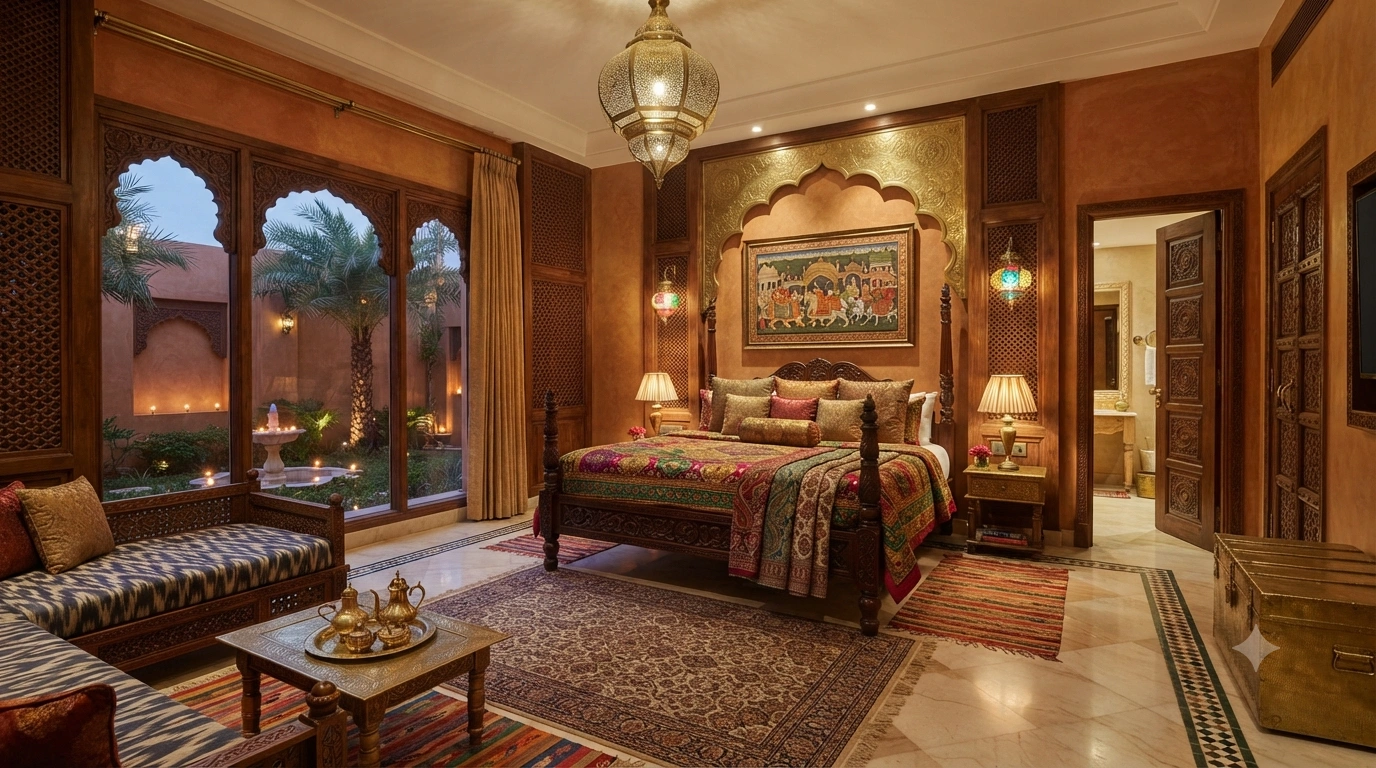
Indian boutique hotels celebrate centuries of artistic tradition through bold colors, handcrafted details, and luxurious materials. Interiors often feature carved wood, handwoven textiles, decorative stonework, and locally inspired artwork that showcase regional craftsmanship. Modern hospitality design balances these rich cultural elements with contemporary layouts and premium amenities, creating immersive guest experiences that feel authentic without sacrificing comfort or elegance.
Key Features
- Handcrafted textiles
- Decorative woodwork
- Brass fixtures
- Natural stone
- Warm earth tones
- Local artwork
Design Tips
Balance vibrant decorative elements with neutral backgrounds for a refined luxury appearance.
8. Greece: Mediterranean Calm
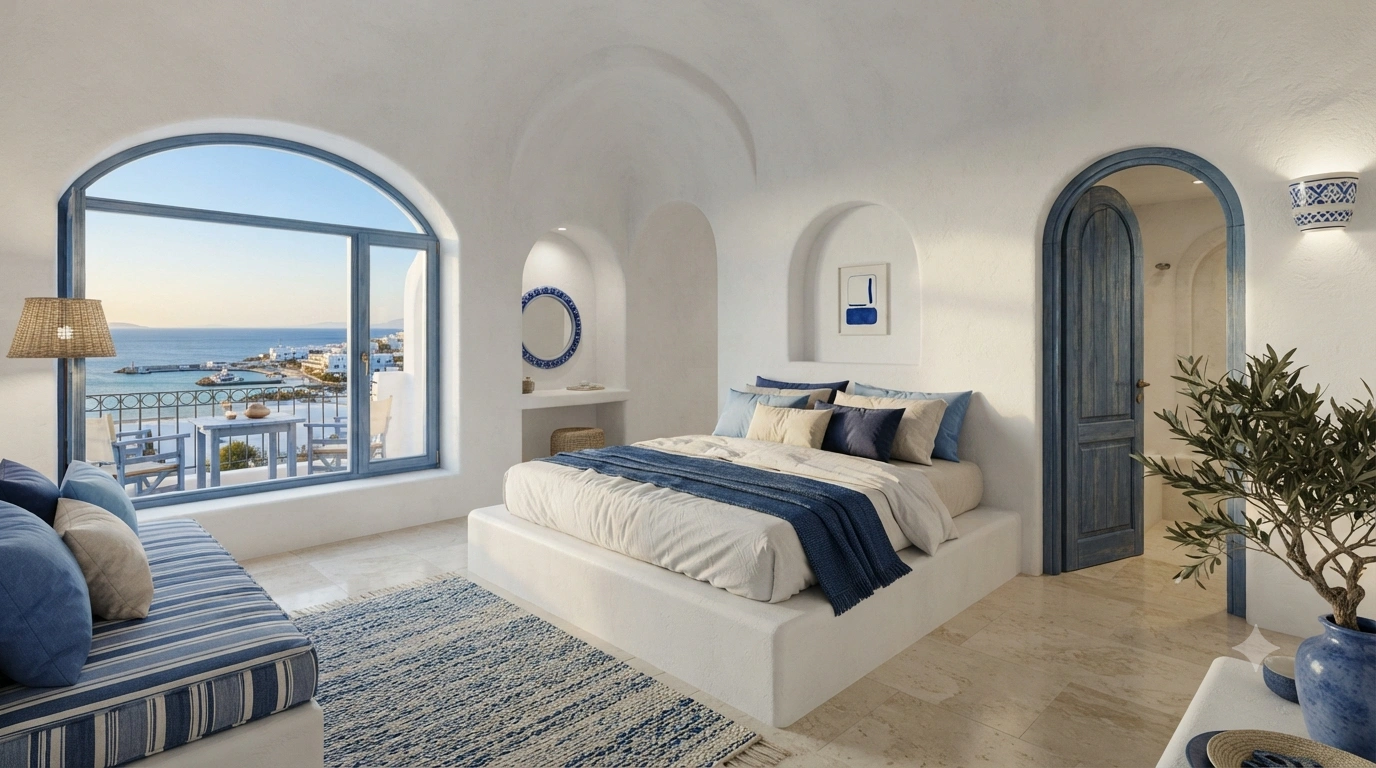
Greek boutique hotel interiors embrace simplicity, natural light, and breathtaking coastal inspiration. Characterized by whitewashed walls, organic textures, and soft blue accents, these spaces create an atmosphere of effortless relaxation. Designers emphasize indoor-outdoor living through open layouts, natural materials, and panoramic views whenever possible. The result is a fresh, timeless hospitality environment that perfectly captures Mediterranean luxury.
Key Features
- White walls
- Limestone finishes
- Blue accents
- Linen fabrics
- Organic textures
- Curved architecture
Design Tips
Maximize daylight while using natural finishes to reinforce the connection with nature.
9. Mexico: Contemporary Tropical Design
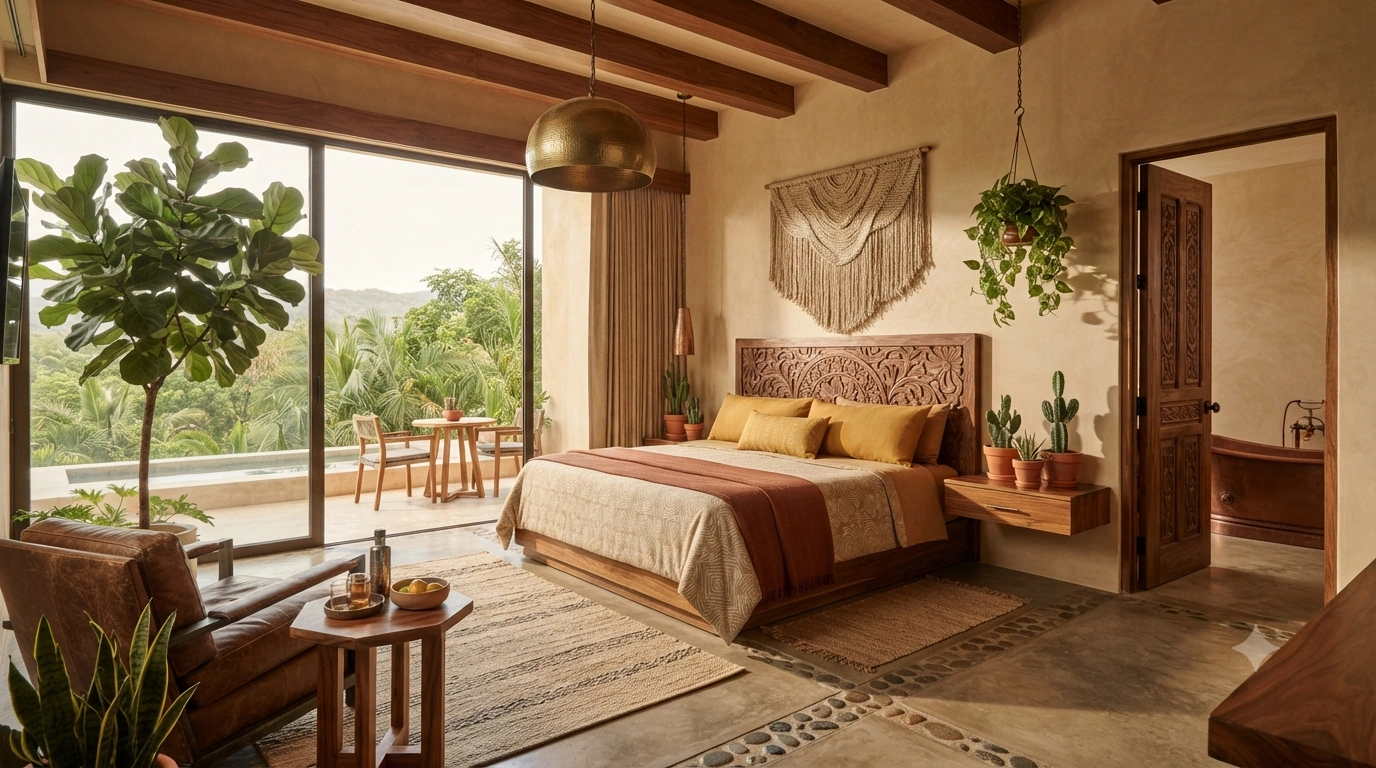
Vibrant local craftsmanship is combined with modern architecture to create welcoming luxury environments at Mexican boutique hotels. Handmade ceramics, natural stone, warm timber, and colorful textiles bring regional identity into contemporary guest rooms. Many designs blur the boundaries between indoor and outdoor living by incorporating courtyards, gardens, and large openings that celebrate the country’s warm climate and natural beauty.
Key Features
- Handmade ceramics
- Warm wood finishes
- Concrete textures
- Indoor greenery
- Woven textiles
- Earth-tone colors
Design Tips
Incorporate natural ventilation and locally crafted materials to create authentic guest experiences.
10. United Arab Emirates: Contemporary Opulence
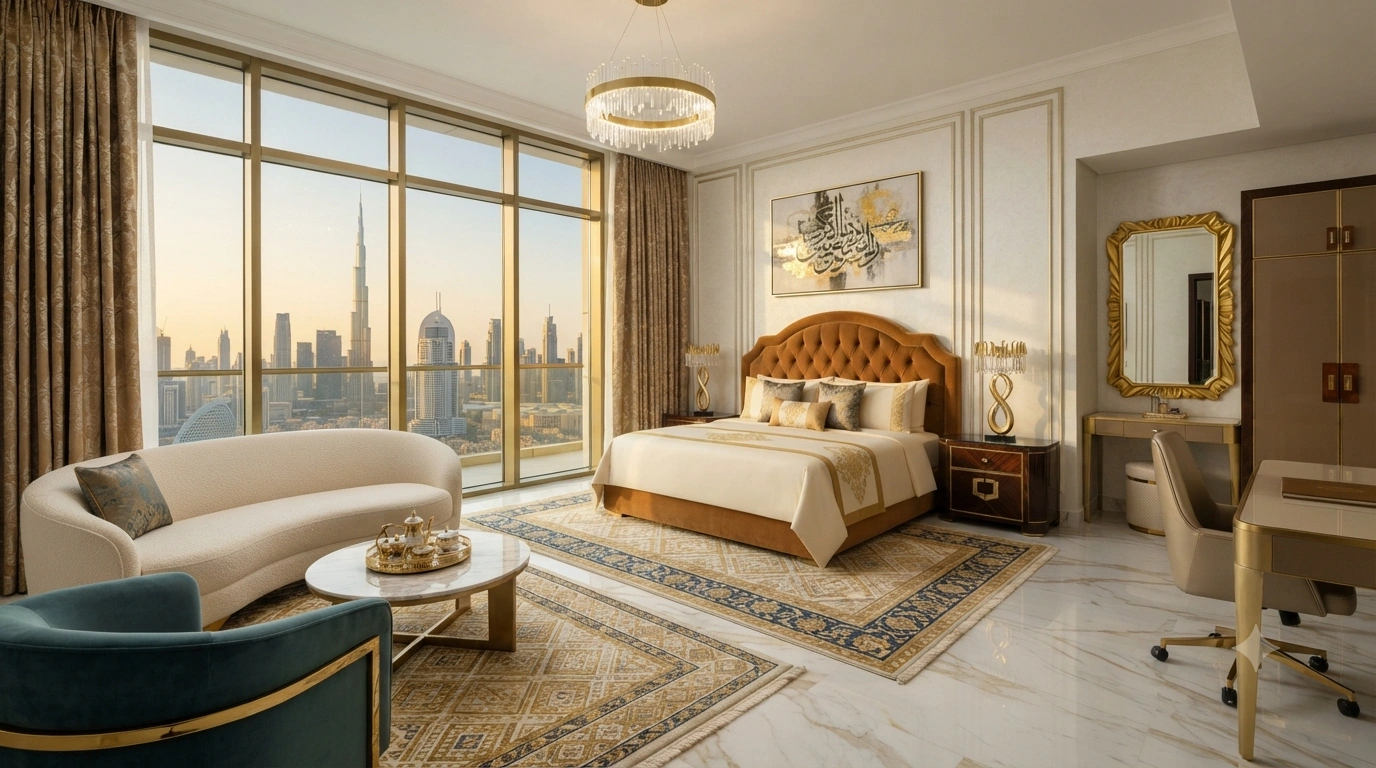
Boutique luxury hotels in the United Arab Emirates showcase modern elegance through grand architectural spaces, premium materials, and exceptional craftsmanship. Interiors often feature marble, polished metals, dramatic lighting, and custom-designed furniture while maintaining clean contemporary lines. Rather than excessive decoration, today’s luxury hospitality projects focus on refined finishes and personalized guest experiences that reflect the region’s commitment to world-class hospitality.
Key Features
- Marble flooring
- Gold accents
- Statement lighting
- Floor-to-ceiling windows
- Bespoke furniture
Design Tips
Combine luxurious materials with restrained detailing to achieve sophisticated modern elegance.
11. Thailand: Tropical Serenity
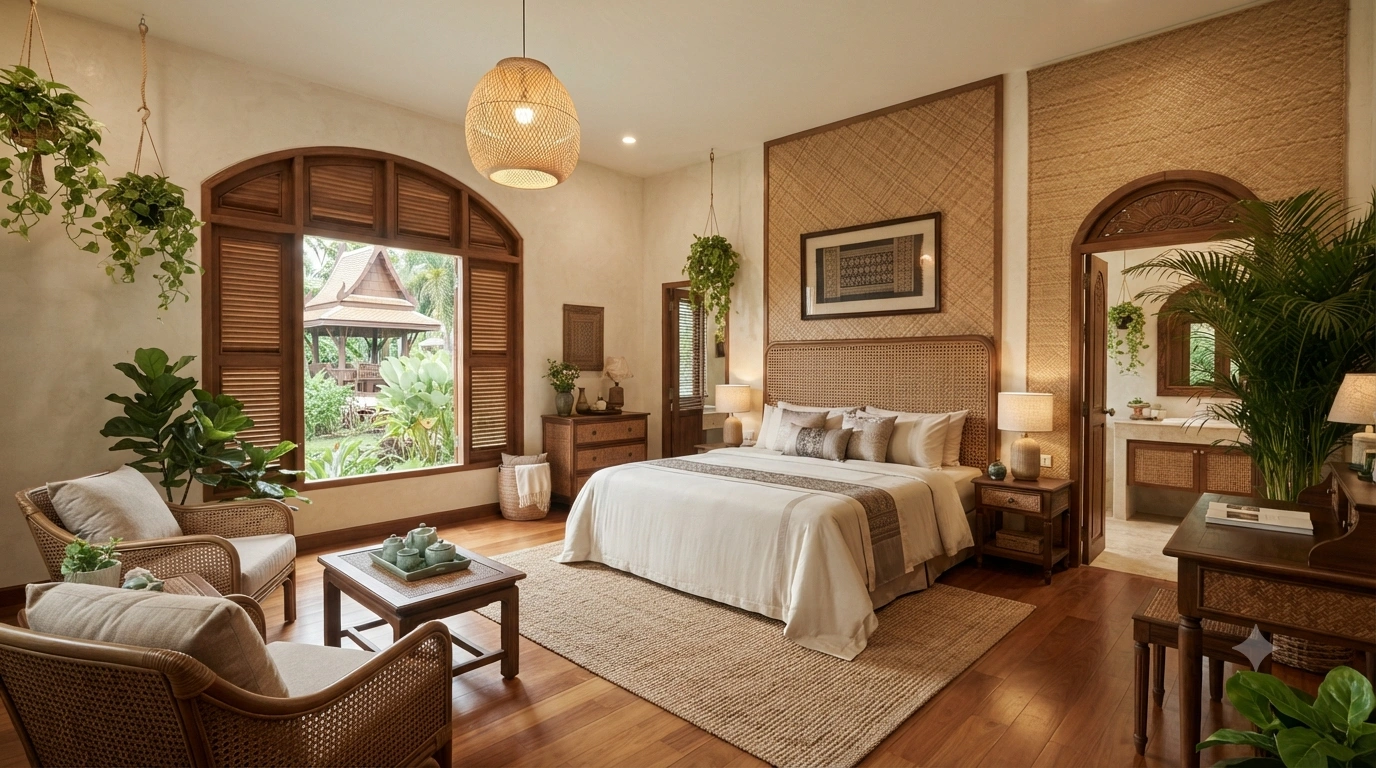
Thai boutique hotels create peaceful retreats inspired by tropical landscapes and traditional craftsmanship. Interiors feature warm teak wood, woven natural fibers, calming color palettes, and abundant greenery that foster relaxation. Water features, open-air layouts, and natural ventilation enhance the guest experience while reinforcing a strong connection with nature. This harmonious design approach has become a hallmark of luxury hospitality throughout Southeast Asia.
Key Features
- Teak furniture
- Indoor plants
- Natural woven materials
- Ambient lighting
- Water-inspired elements
- Soft neutral colors
Design Tips
Create seamless transitions between interior spaces and outdoor environments.
12. United States: Contemporary Boutique Style
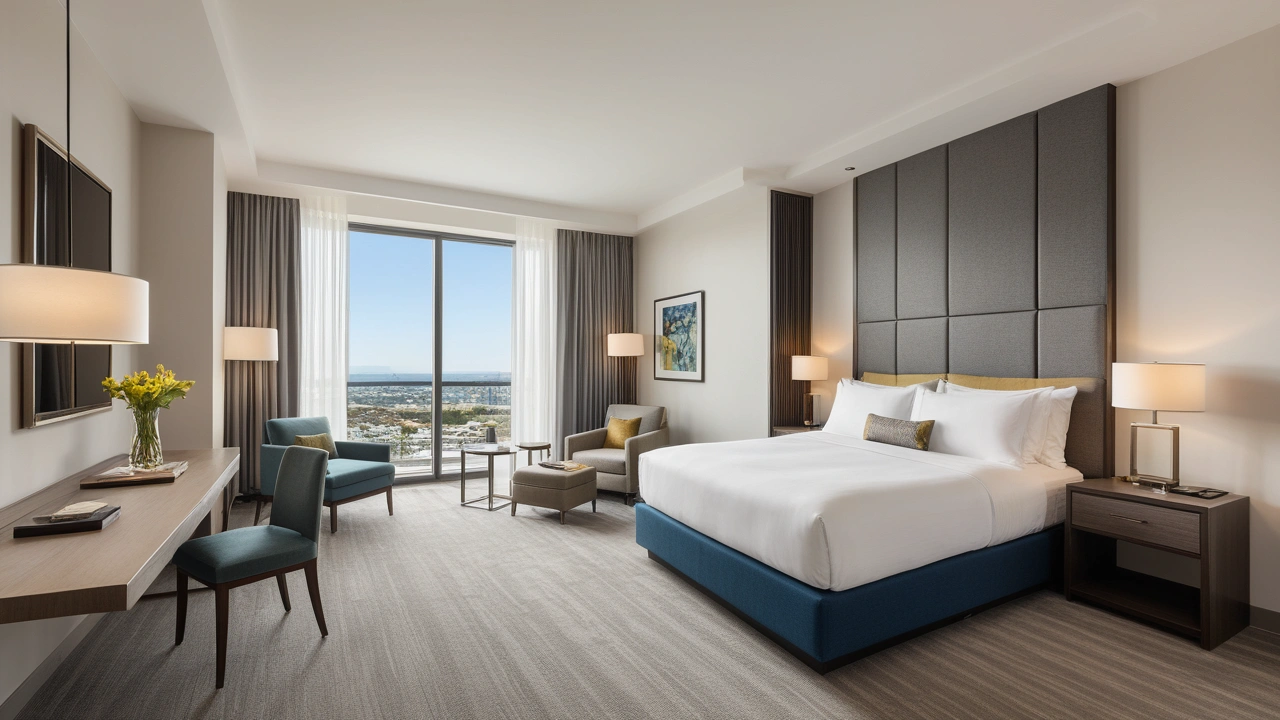
American boutique hotels emphasize individuality, innovation, and lifestyle-focused design. Interiors often combine industrial materials, custom artwork, locally inspired décor, and advanced technology to create unique guest experiences. Flexible layouts, multifunctional furniture, and personalized amenities reflect evolving traveler expectations. Rather than following one specific aesthetic, American boutique hotels encourage creative storytelling while maintaining high standards of comfort and operational efficiency.
Key Features
- Open floor plans
- Statement artwork
- Smart room technology
- Industrial accents
- Custom millwork
- Mixed materials
Design Tips
Design flexible, technology-enabled guest rooms that reflect the property’s unique brand identity.
Conclusion
Exceptional luxury hotel room design goes beyond beautiful interiors. It creates meaningful guest experiences by blending cultural identity, architectural excellence, and contemporary comfort. The world’s most memorable boutique hotels demonstrate that local inspiration can become a powerful competitive advantage when thoughtfully translated into interior design.
Whether drawing inspiration from Japanese minimalism, Italian craftsmanship, Moroccan artistry, or Scandinavian simplicity, successful hospitality projects combine regional authenticity with international standards.
Partner with OPPOLIA
OPPOLIA partners with hotel developers, interior designers, architects, and contractors worldwide to deliver customized hospitality solutions that reflect regional character while meeting international luxury standards. Our experienced Italian design team collaborates with trusted local partners to provide comprehensive services, including concept development, manufacturing, global logistics, and on-site installation.
From boutique hotels to luxury resorts, we help streamline every stage of your project while offering competitive pricing advantages for large-scale developments.
If you’re planning a new hospitality project or upgrading existing guestrooms, explore OPPOLIA’s portfolio of completed international projects and discover how our integrated solutions can support your next development. Contact our team today to request a complimentary project consultation and customized quotation.
FAQs about Hotel Room Designs
Boutique hotel room design combines premium materials, customized furnishings, exceptional comfort, advanced technology, and thoughtful spatial planning to deliver an elevated guest experience.
Local cultural elements create authentic experiences, strengthen brand identity, support local craftsmanship, and help hotels stand out in competitive hospitality markets.
Popular materials include natural stone, hardwood, engineered wood veneers, premium textiles, marble, brass, glass, handcrafted ceramics, and sustainable decorative finishes.
Early collaboration with designers, precise material coordination, quality installation, efficient project management, and adherence to hospitality standards are essential for achieving premium results.
Current trends include sustainable design, smart technology integration, wellness-focused guestrooms, biophilic interiors, locally sourced materials, bespoke furniture, and flexible multifunctional spaces.