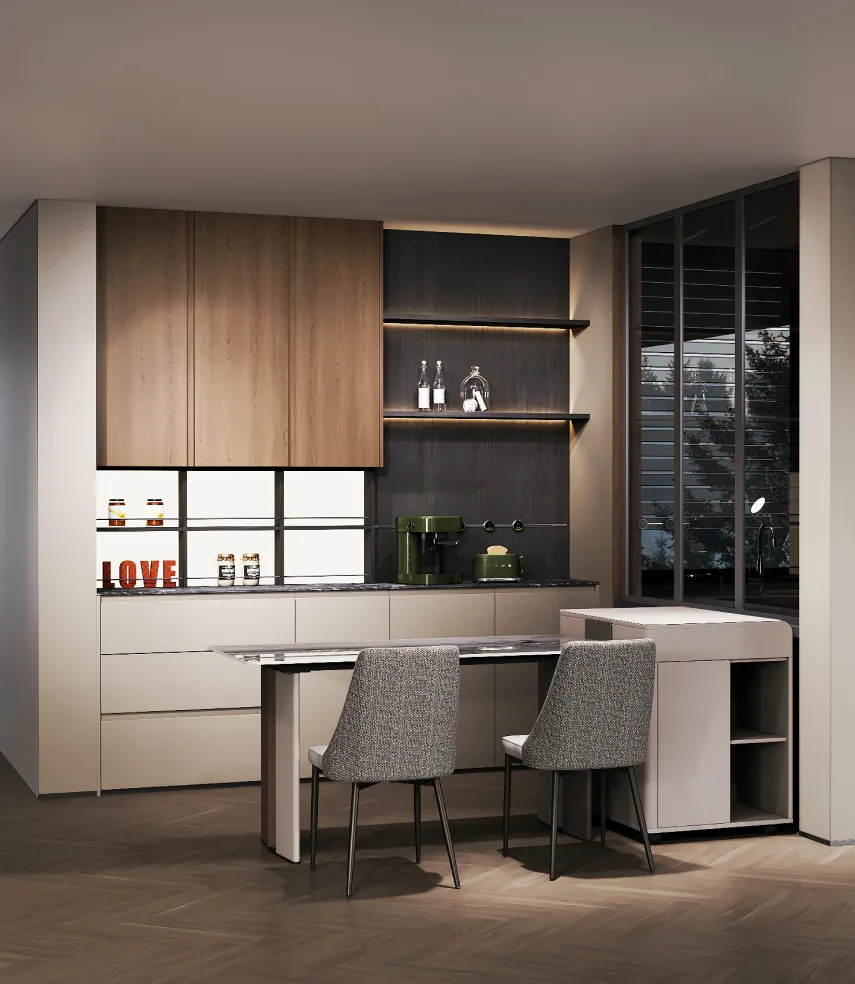
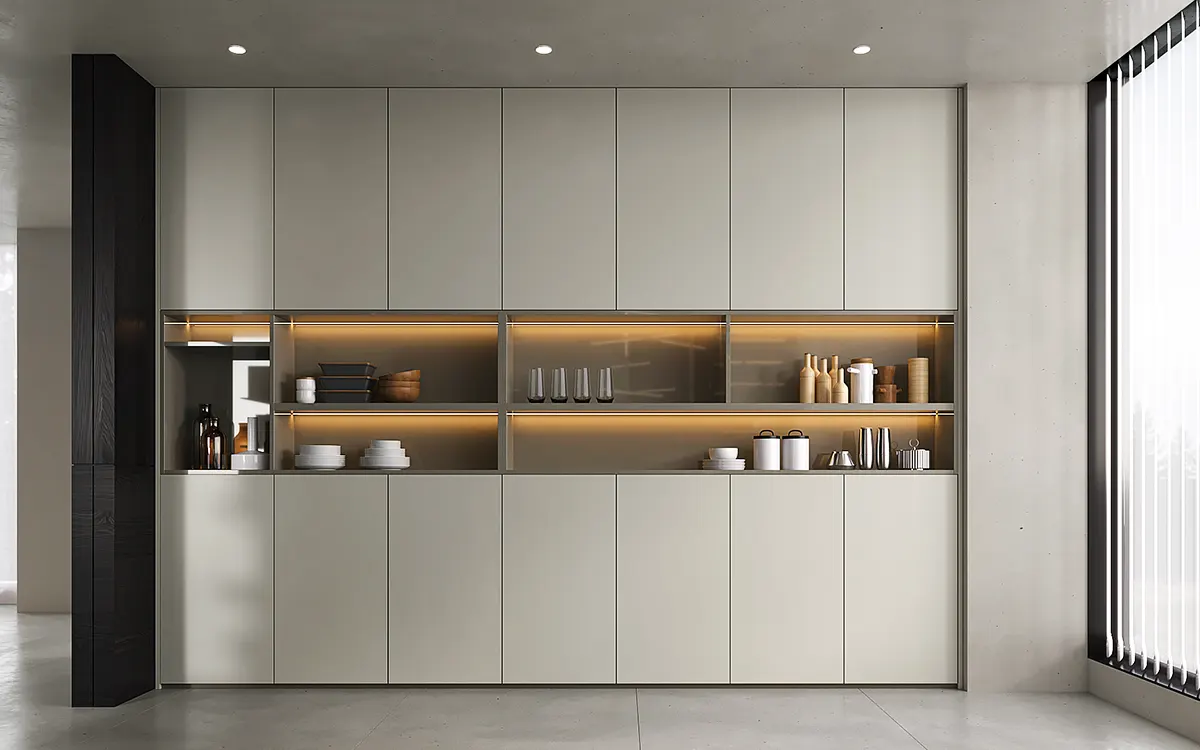

Built-in cupboards have become increasingly popular in recent years and for good reason. These versatile storage solutions offer many benefits, making them an excellent home investment. In this ultimate guide, we’ll explore everything you need to know about built-in cupboards, from their advantages to popular styles and designs, as well as tips for maximizing space and style.
Not only do built-in cupboards provide ample storage opportunities, but they also help to create a sleek, streamlined appearance in any room. By integrating storage into the very structure of your home, you can free up valuable floor space while keeping your belongings organized and easily accessible. Whether you want to update your living space or plan a new build, built-in cupboards should be a top consideration.
As we delve deeper into the world of built-in cupboards, you’ll discover just how versatile and customizable these storage solutions can be. From assessing your space and storage needs to choosing suitable materials and finishes, we’ve got you covered. So, let’s get started on your journey to maximizing space and style with built-in cupboards.
- Advantages of Built-In Cupboards
- Assessing Your Space and Storage Needs
- Popular Built-In Cupboard Styles and Designs
- Customizing Your Built-In Cupboards
- Materials and Finishes for Built-In Cupboards
- Tips for Maximizing Space with Built-In Cupboards
- Built-In Cupboards for Different Rooms in the Home
- Hiring a Professional vs DIY Built-In Cupboards
- Maintaining and Caring for Your Built-In Cupboards
- Conclusion
Advantages of Built-In Cupboards
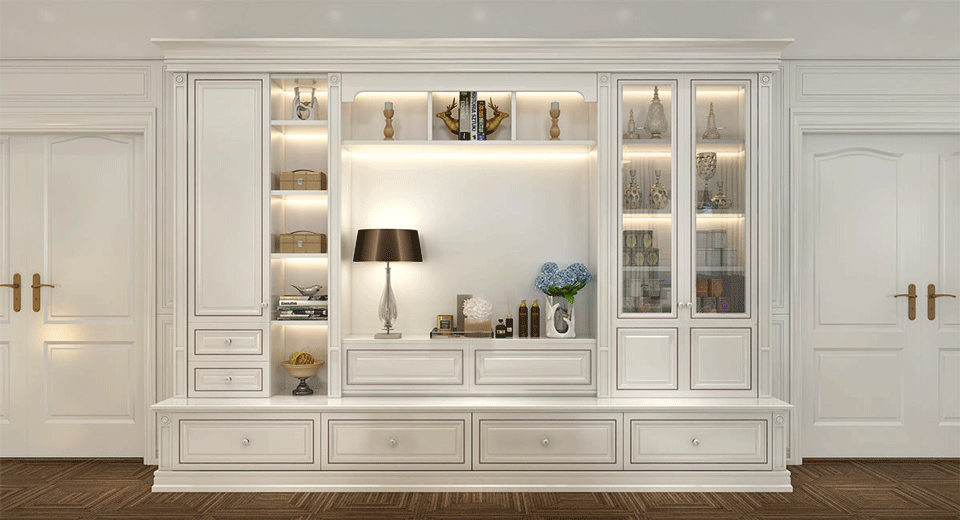
Built-in cupboards offer several advantages over their freestanding counterparts. Firstly, they maximize space by utilizing areas that need to be emptied or utilized. It is particularly beneficial in small or awkwardly shaped rooms where space is at a premium. By incorporating storage into the walls or even the ceiling, you can make the most of every inch of available space.
Another advantage of built-in cupboards is their ability to create a cohesive, streamlined look throughout your home. Unlike freestanding furniture, which can appear bulky and disjointed, built-in cupboards blend seamlessly into your surroundings. It can help create a sense of harmony and unity in your living space, making it more inviting and visually appealing.
Finally, built-in cupboards offer a level of customization that isn’t possible with off-the-shelf furniture. From the size and layout of the cupboards to the materials and finishes used, you have complete control over every design aspect. It allows you to create a bespoke storage solution that perfectly meets your needs and reflects your style.
Assessing Your Space and Storage Needs
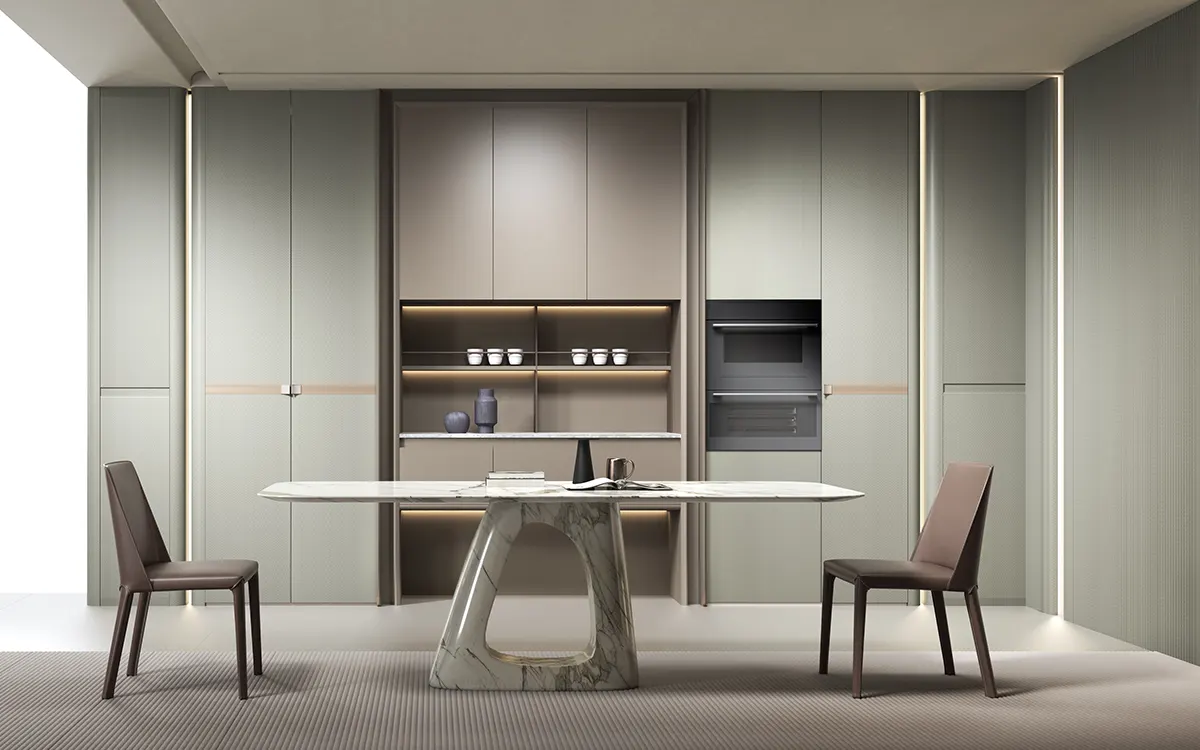
Before diving into the built-in cupboard world, assessing your space and storage needs is vital. It will help ensure that your new cupboards are functional and visually appealing. Start by taking inventory of the items you need to store and consider how they can be best organized. Think about the type of storage you require, such as shelves, drawers, or hanging space, as well as any special features that may be needed, like shoe racks or built-in lighting.
Next, consider the layout of your space and how it can be best utilized. While built-in cupboards can help to maximize space, it’s important not to overcrowd your room or create obstacles to movement. Think about where your new cupboards will be located and how they will impact the overall flow and functionality of the space. Consider incorporating your cupboards into currently underutilized areas, such as alcoves, under stairs, or even in the corners of your room.
Finally, it’s essential to consider your budget when assessing your space and storage needs. While built-in cupboards can be a fantastic investment, ensuring they fit within your financial constraints is essential. Be realistic about what you can afford and prioritize the features and materials that are most important to you.
Popular Built-In Cupboard Styles and Designs
A wealth of built-in cupboard styles and designs is available, ensuring that something suits every taste and décor. Some popular options include:
Minimalist: This sleek, modern design features clean lines and minimal detailing, making it perfect for contemporary homes. The focus is on functionality and simplicity, emphasizing creating a sense of space and light.
Traditional: Built-in cupboards often feature ornate detailing and classic design elements, such as crown moulding and panelling. This style can add a touch of elegance and sophistication to any room and works particularly well in period properties.
Rustic: Consider a rustic built-in cupboard design if you prefer a more relaxed, cosy aesthetic. This style of cupboard features natural materials, such as wood, and embraces the beauty of imperfections and irregularities.
Industrial: This bold, urban design incorporates natural wood and exposed brickwork, creating a unique and edgy look. Industrial built-in cupboards are perfect for those who appreciate a more unconventional aesthetic.
Remember that your built-in cupboards should reflect your style and complement your home’s aesthetic. Feel free to use different design elements to create a bespoke storage solution that’s truly unique to you.
Customizing Your Built-In Cupboards
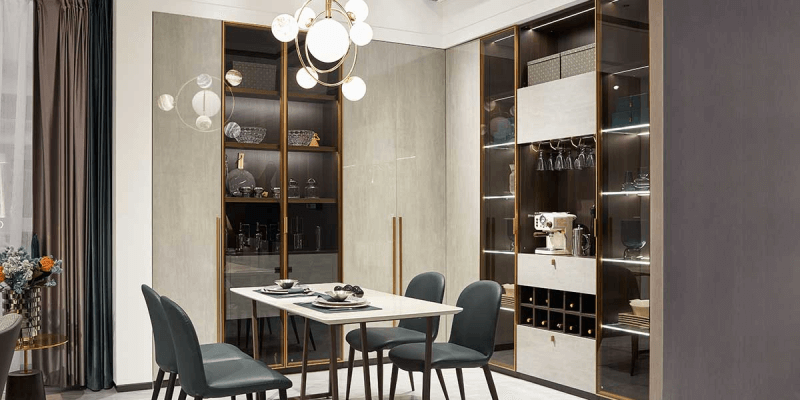
One of the most exciting aspects of built-in cupboards is the ability to customize them to your specifications. From the size and layout of the cupboards to the materials and finishes used, you have complete control over every design aspect. It allows you to create a bespoke storage solution that perfectly meets your needs and reflects your style.
When customizing your built-in cupboards, consider the following elements:
- Size and layout: Think about the dimensions of your cupboards and how they will fit within your space. Consider any obstacles, such as windows or doors that may impact the design. Consider the type of storage you require, such as shelves, drawers, or hanging space, and plan the layout accordingly.
- Materials: The materials used for your built-in cupboards can significantly impact your space’s overall look and feel. Some popular options include wood, MDF, and plywood, each with unique characteristics and benefits. Be sure to choose a durable and easy-to-maintain material which complements your home’s overall aesthetic.
- Finishes: The finish you choose for your built-in cupboards can help to create a cohesive and polished look in your space. Some popular options include paint, stain, and lacquer, each with unique benefits and drawbacks. Consider durability, maintenance, and colour when selecting your finish.
- Hardware: The hardware you choose for your built-in cupboards, such as handles and knobs, can be a stylish finishing touch. Consider your home’s overall style and aesthetic when selecting your hardware, and feel free to get creative with your choices.
- Special features: Finally, consider any special features that may be needed or desired, such as built-in lighting, mirrors, or adjustable shelving. These additions can enhance your built-in cupboards’ functionality and visual appeal, creating a storage solution that’s genuinely tailored to your needs.
Materials and Finishes for Built-In Cupboards
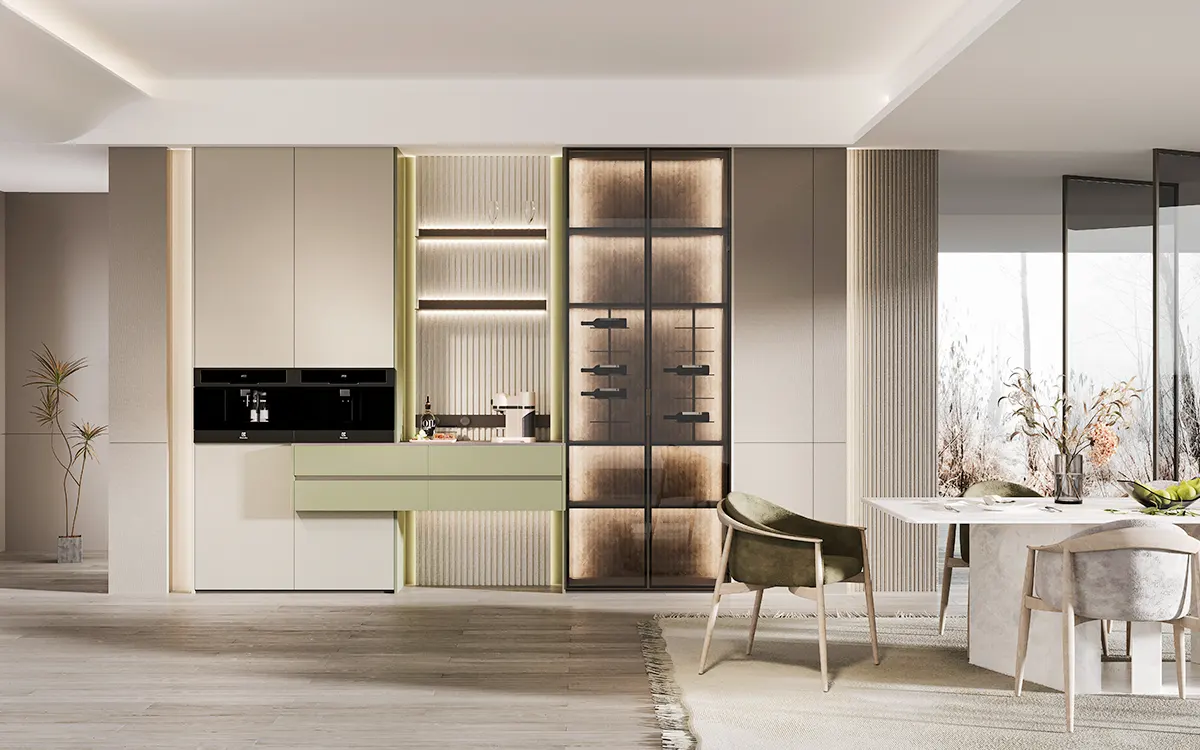
The materials and finishes you choose for your built-in cupboards can significantly impact the overall look and feel of your space. Some popular options include:
- Wood: A timeless and versatile choice, wood is a popular material for cupboards due to its durability and natural beauty. Options range from affordable and lightweight softwoods like pine to more expensive and luxurious hardwoods, such as oak or walnut.
- MDF (Medium Density Fiberboard): MDF is an engineered wood product. It is made from wood fibres and resin. It’s a cost-effective option often used for painted or laminate finishes, as it has a smooth surface and is resistant to warping.
- Plywood: Another engineered wood option, plywood is made from layers of wood veneer glued together. It’s strong, stable, and less prone to warping than solid wood. So it is a popular choice for cupboards.
- Laminate: Laminate finishes consist of a thin layer of decorative material applied to a core of MDF or plywood. This option is affordable, easy to clean, and available in various colours and styles.
- Veneer: Veneer finishes involve a thin layer of natural wood applied to a core of MDF or plywood. This option offers the look and feel of solid wood at a more affordable price point.
- Paint: Paint is a versatile and customizable finish option that can be applied to various materials, including wood, MDF, and plywood. Choose from various colours and finishes, such as gloss, semi-gloss, or matte, to achieve your desired look.
- Stain: A stain is a finish option that shows the natural beauty of the wood while adding colour and depth. Stains are available in various shades, from light and natural to dark and dramatic.
- Lacquer: Lacquer is a high-gloss finish that can be applied to wood, MDF, or plywood. It offers a sleek and modern look but can be more susceptible to scratches and damage.
Consider durability, maintenance, and cost when selecting materials and finishes for your built-in cupboards. Additionally, think about how the materials and finishes will look well with the overall aesthetic of your home.
Tips for Maximizing Space with Built-In Cupboards
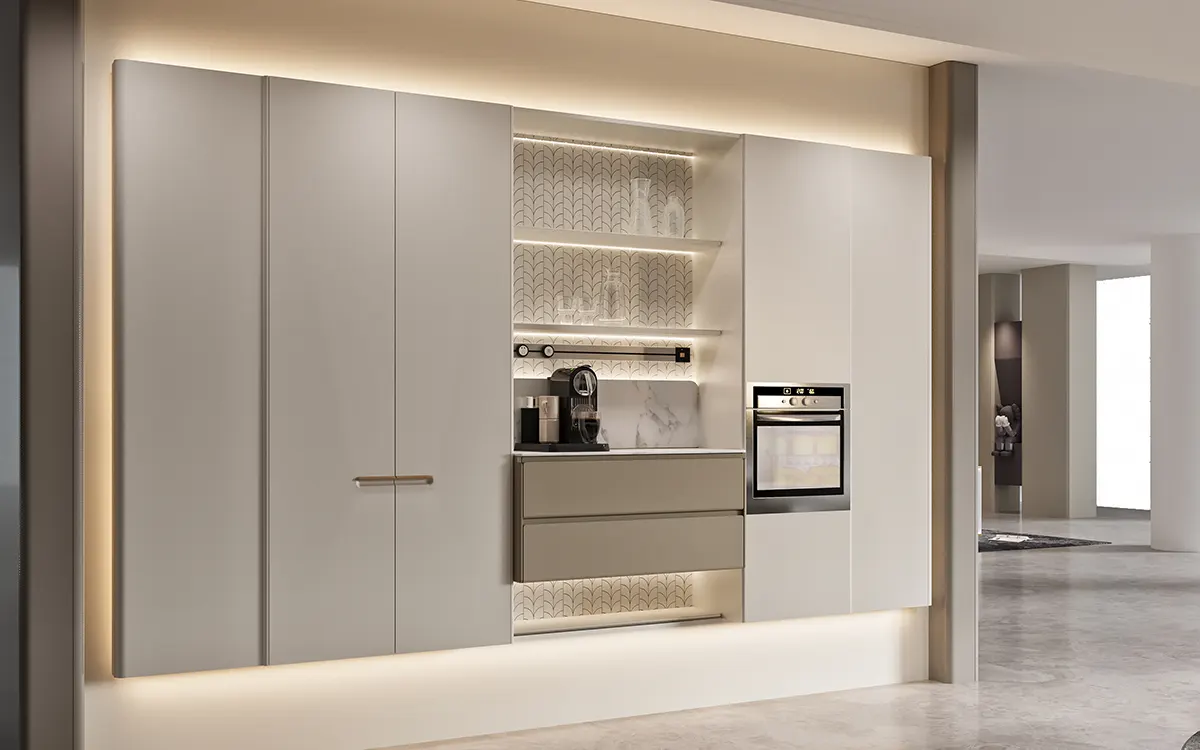
Built-in cupboards can help maximize your home’s space, but it’s vital to utilize them effectively. Here are some tips for making the most of your new storage solution:
- Utilize vertical space: Make the most of the height of your room by incorporating tall cupboards with adjustable shelves. It will allow you to store items of varying sizes and help create a sense of space and light.
- Opt for sliding doors: Sliding doors can help to save space in small or awkwardly shaped rooms, as they don’t require additional space to open. They also create a sleek and modern look that can help enhance your space’s overall aesthetic.
- Consider built-in lighting: Incorporating built-in lighting into your cupboards can help to create a sense of depth and make it easier to find items in dark or shadowy spaces. Options include LED strip lights, recessed spotlights, or motion-activated lights for convenience.
- Organize your belongings effectively: Lastly, be sure to organize your belongings effectively within your cupboards. Use dividers, baskets, and other organizational tools to keep your items neat and easily accessible.
Built-In Cupboards for Different Rooms in the Home
Built-in cupboards can be utilized in various rooms throughout your home, each with unique requirements and considerations. Here are some ideas for incorporating built-in cupboards into different spaces:
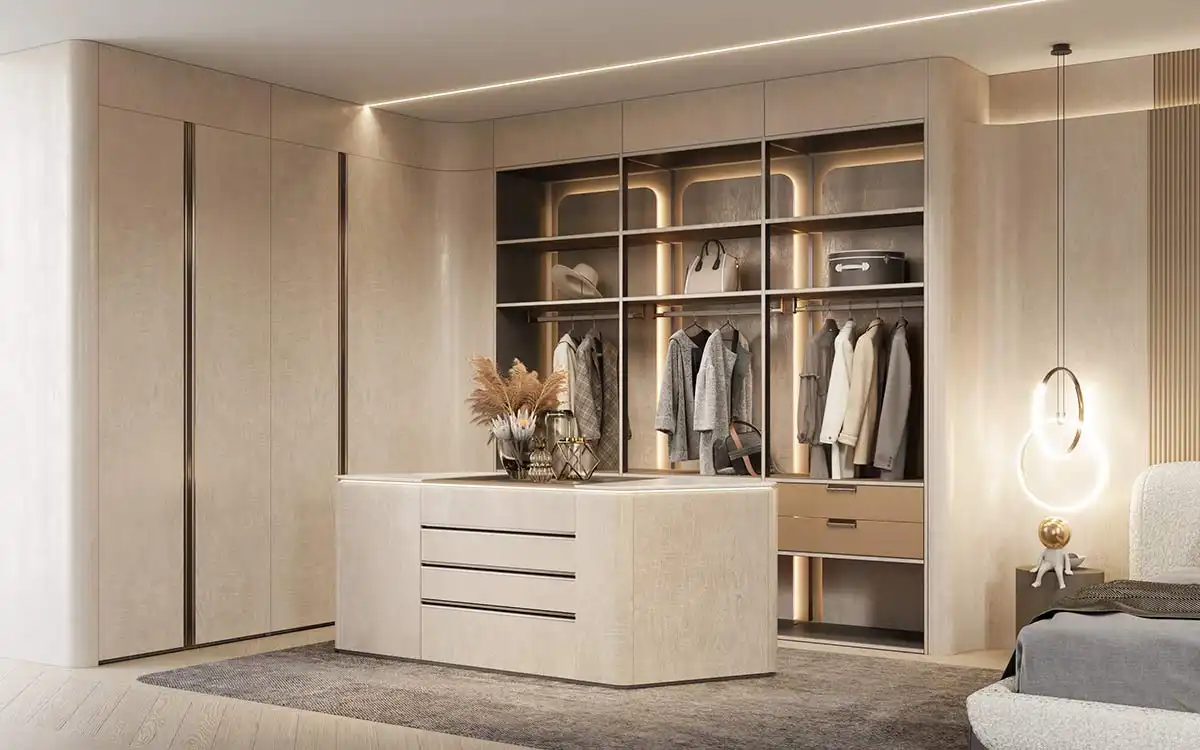
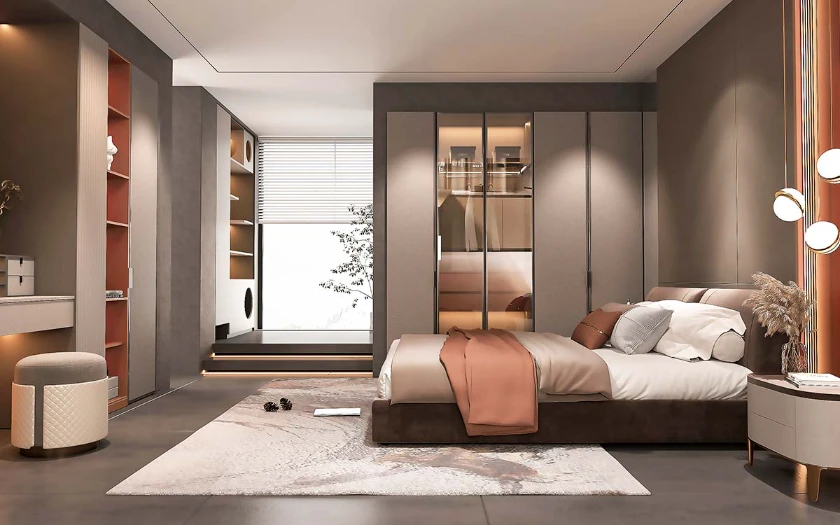
Bedrooms: Built-in wardrobes are a popular bedroom choice, providing ample storage for clothing, shoes, and accessories. Consider incorporating a mix of hanging space, shelves, and drawers to accommodate your belongings.
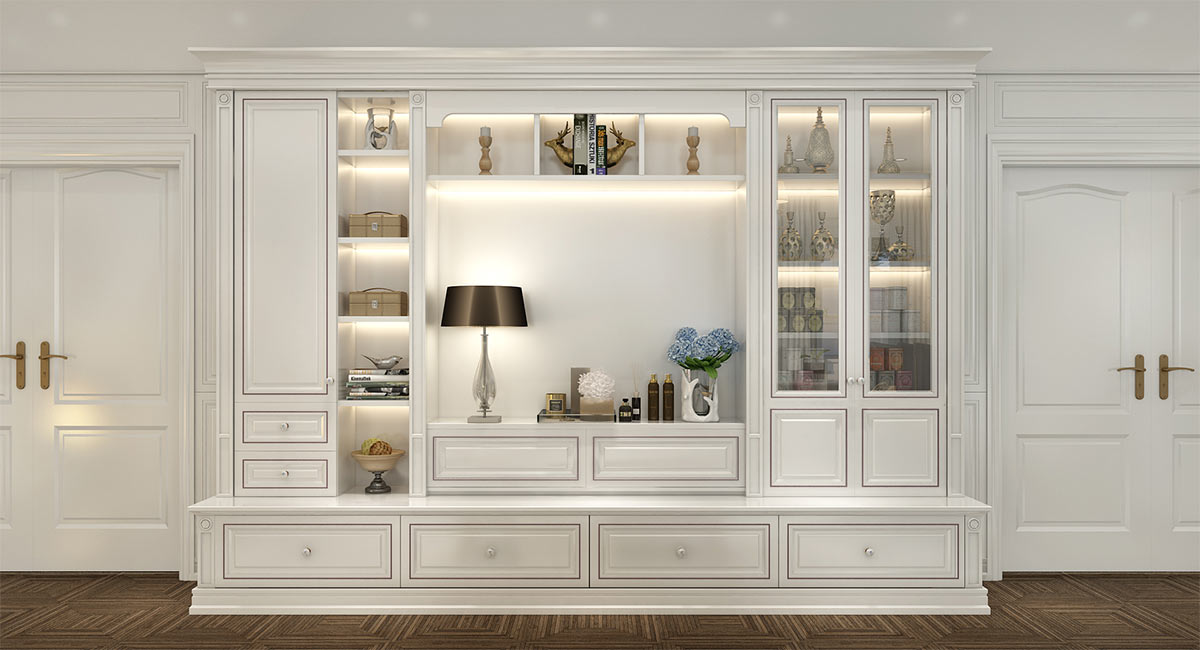
Living rooms: Built-in cupboards can help to create a focal point in your living room, providing storage for books, electronics, and decorative items. Consider incorporating open shelves alongside closed cupboards to create a visually exciting display.
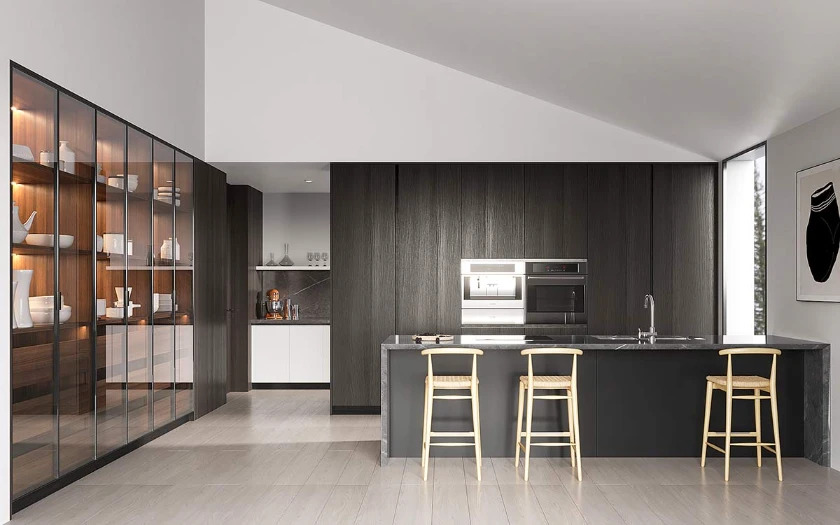
Kitchens: Built-in cupboards are a staple in modern kitchens, providing storage for pots, pans, dishes, and pantry items. Opt for adjustable shelves and pull-out drawers to accommodate items of varying sizes and shapes.
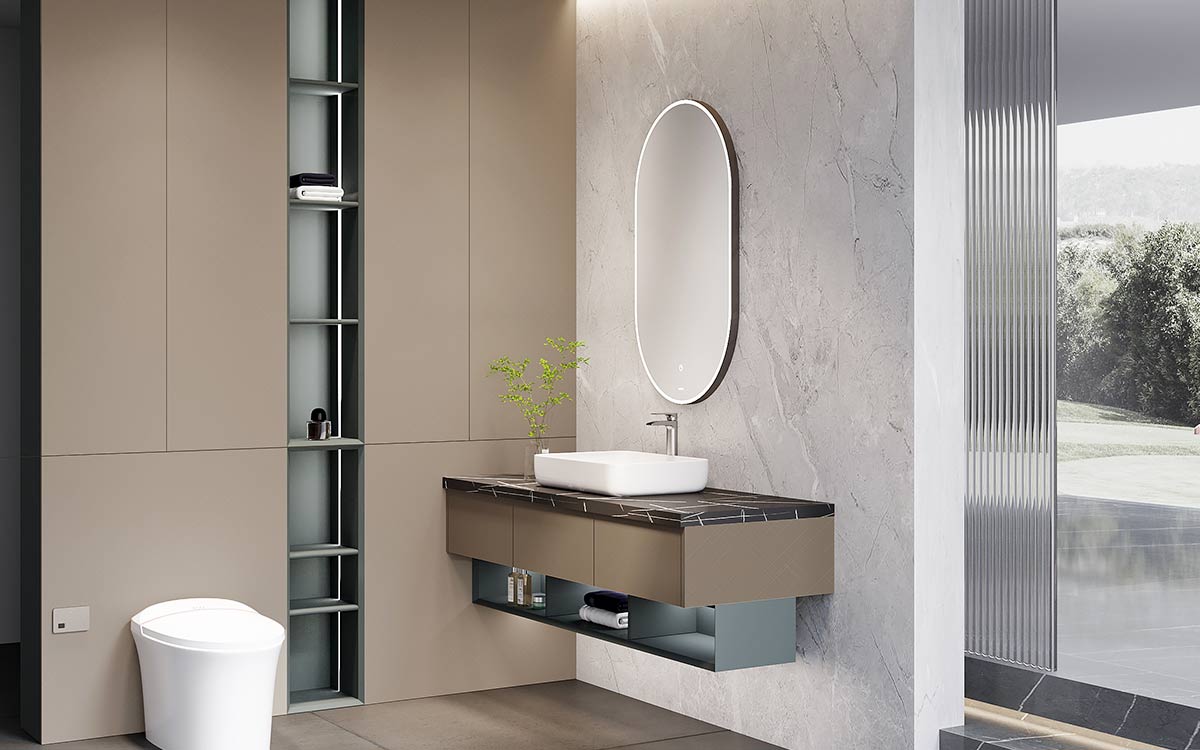
Bathrooms: Built-in cupboards can provide much-needed storage in bathrooms, helping to keep toiletries and towels organized and out of sight. Be sure to choose materials and finishes that are moisture-resistant and easy to clean.
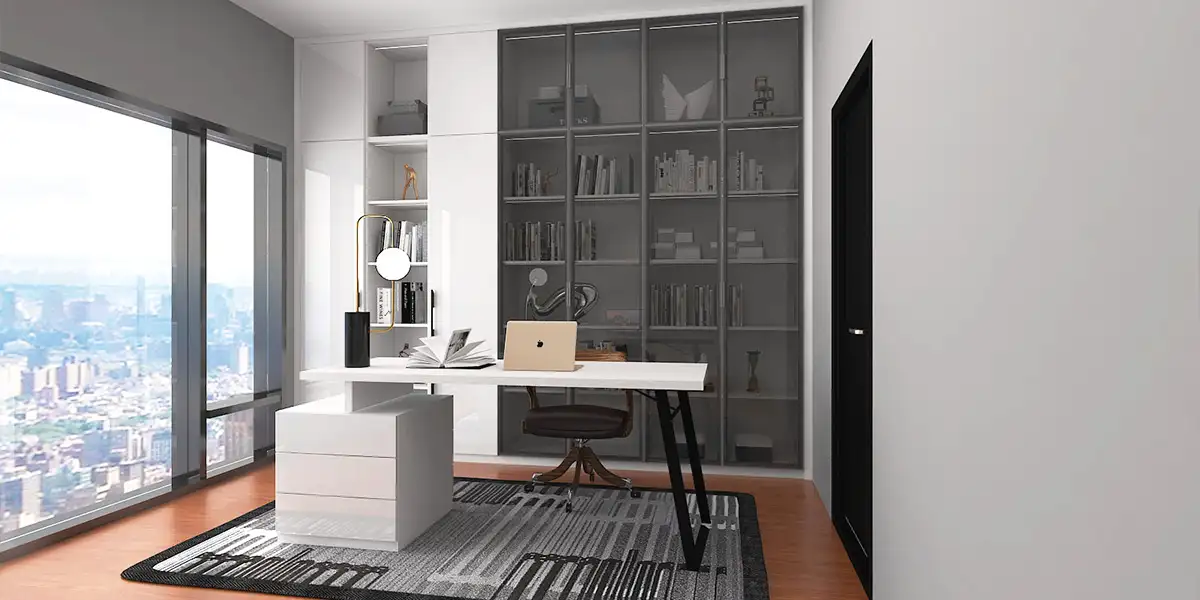
Home offices: Built-in cupboards can help to create a clutter-free workspace in your home office, providing storage for files, stationery, and office equipment. Consider incorporating a built-in desk to maximize space and create a cohesive look.
Hiring a Professional vs DIY Built-In Cupboards
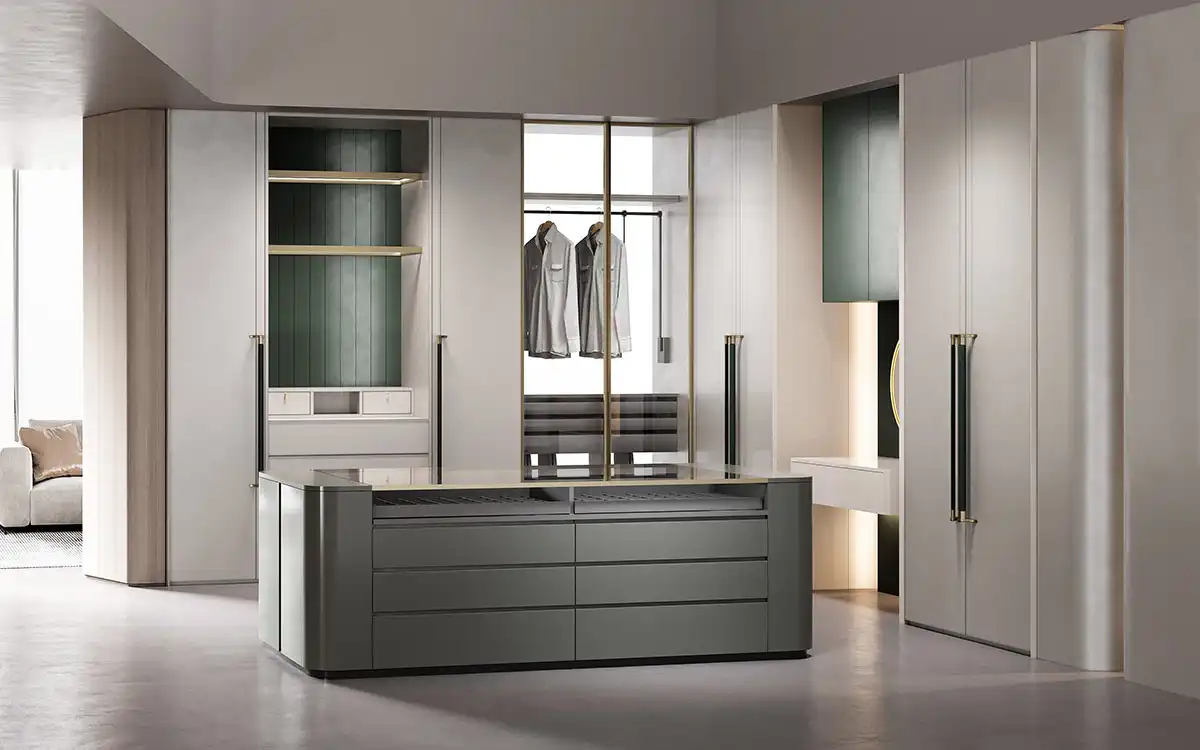
When installing built-in cupboards, you have two main options: hiring a professional or tackling the project yourself. Each option has its advantages and drawbacks, so weighing your options carefully is crucial.
Hiring a professional: If you’re looking for a hassle-free experience and a high-quality result, hiring a professional may be the best option. A skilled carpenter or cabinet maker can help design and install your built-in cupboards, ensuring they are tailored to your needs and built to last. While this option can be more expensive than doing it yourself, it can save you time and effort and provide you peace of mind.
DIY: If you’re an experienced DIY enthusiast with the necessary skills and tools, you may tackle your built-in cupboard project yourself. It can be a cost-effective option and give you a sense of accomplishment. However, being realistic about your abilities and the project’s complexity is essential, as mistakes can be costly and time-consuming.
Maintaining and Caring for Your Built-In Cupboards
Once your cupboards are installed, keeping them clean and well-maintained is essential to ensure they look their best. Here are some tips for caring for your custom cupboards:
- Regular cleaning: Clean your cupboards by wiping them down regularly with a soft, damp cloth. For more stubborn stains or dirt, use a mild detergent diluted in water, but test it on an inconspicuous area first.
- Avoid excessive moisture: Excessive moisture can cause damage to your cupboards, mainly if they are made from wood or MDF. Be sure to ventilate your space correctly and use a dehumidifier if necessary.
- Protect from sunlight: Prolonged exposure to sunlight can cause your cupboards to fade or become discoloured. Use blinds or curtains to protect them from direct sunlight, or consider applying a UV-resistant finish.
- Check for signs of wear and damage: Regularly inspect your built-in cupboards for any signs of wear or damage, such as loose hinges, cracked panels, or peeling finishes. Address any issues as soon as possible to prevent further damage and keep the appearance of your cupboards looking great.
Conclusion
Built-in cupboards offer a stylish and practical storage solution for any home, providing ample space for your belongings while enhancing the overall aesthetic of your space. Whether you’re looking to update your current living space or plan a new build, consider incorporating built-in cupboards to maximize space and style. With a wealth of styles, designs, and customization options, there’s a built-in cupboard solution to suit every taste and budget.