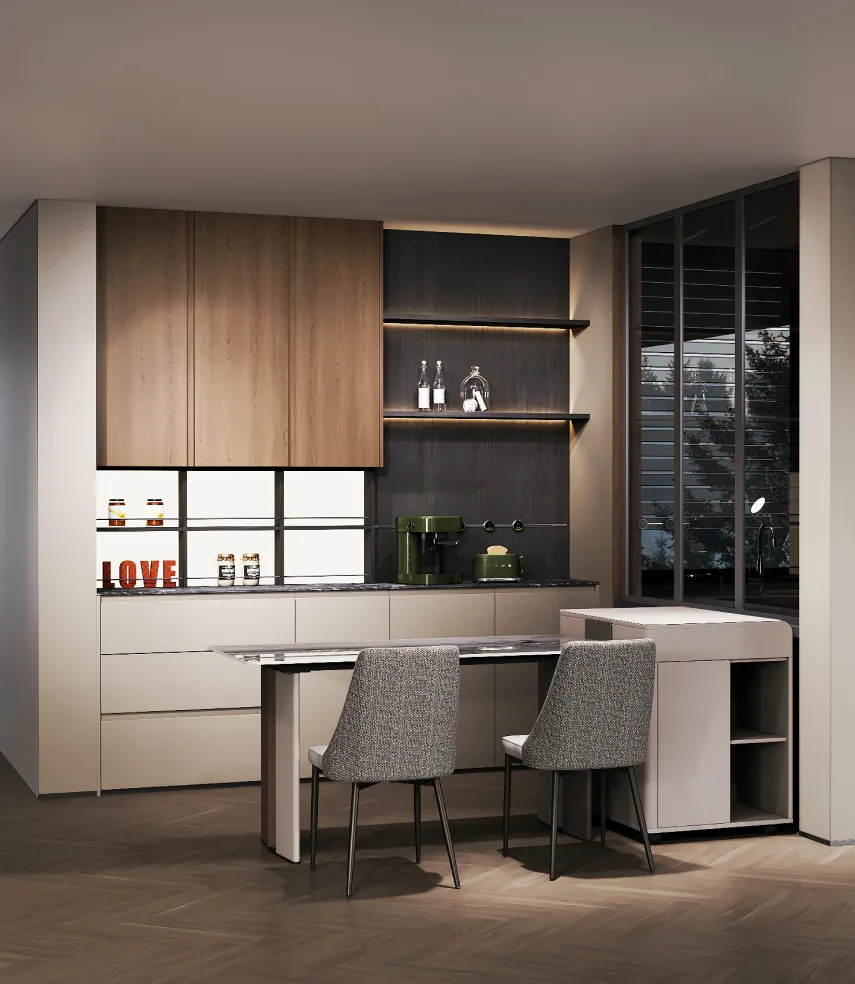

Quick Overview: Discover 18 innovative concealed hidden door ideas that blend seamlessly into modern interiors. Explore design styles, materials, and expert tips to create functional, space-saving solutions that enhance privacy, aesthetics, and architectural sophistication.
Many people associate a hidden door with secret passages found in movies or historic mansions. While hidden doors can certainly add an element of mystery, today’s designs are primarily valued for their ability to maximize aesthetics, improve space utilization, and enhance privacy. They are frequently incorporated into luxury homes, boutique hotels, executive offices, and high-end commercial projects.
Homeowners, contractors, and interior designers are increasingly choosing hidden entry systems to maximize space, enhance aesthetics, and design unique features. Unlike traditional doors that interrupt wall lines and visual flow, a concealed door integrates directly into the room’s design, becoming virtually invisible when closed.
Whether you’re designing a luxury residence, boutique hotel, office, or renovation project, these 18 concealed hidden door ideas can elevate the overall look and functionality of your interior.
- What Are Concealed Hidden Doors?
- 1. Flush Wall Concealed Door
- 2. Full-Height Hidden Door
- 3. Bookcase Secret Door
- 4. Wood Slat Panel Hidden Door
- 5. Mirror Concealed Door
- 6. Wainscoting Hidden Door
- 7. Hidden Bathroom Door
- 8. Kitchen Pantry Hidden Door
- 9. Wardrobe Hidden Door
- 10. Fluted Panel Secret Door
- 11. Pivot Hidden Door
- 12. Wallpaper-Matched Hidden Door
- 13. Hidden Home Office Door
- 14. TV Feature Wall Concealed Door
- 15. Under-Stair Hidden Door
- 16. Glass Concealed Door
- 17. Decorative Wall Panel Hidden Door
- 18. Walk-In Closet Secret Door
- Key Materials Used for Concealed Hidden Doors
- Conclusion
- FAQs about Concealed Hidden Door Design Ideas
What Are Concealed Hidden Doors?
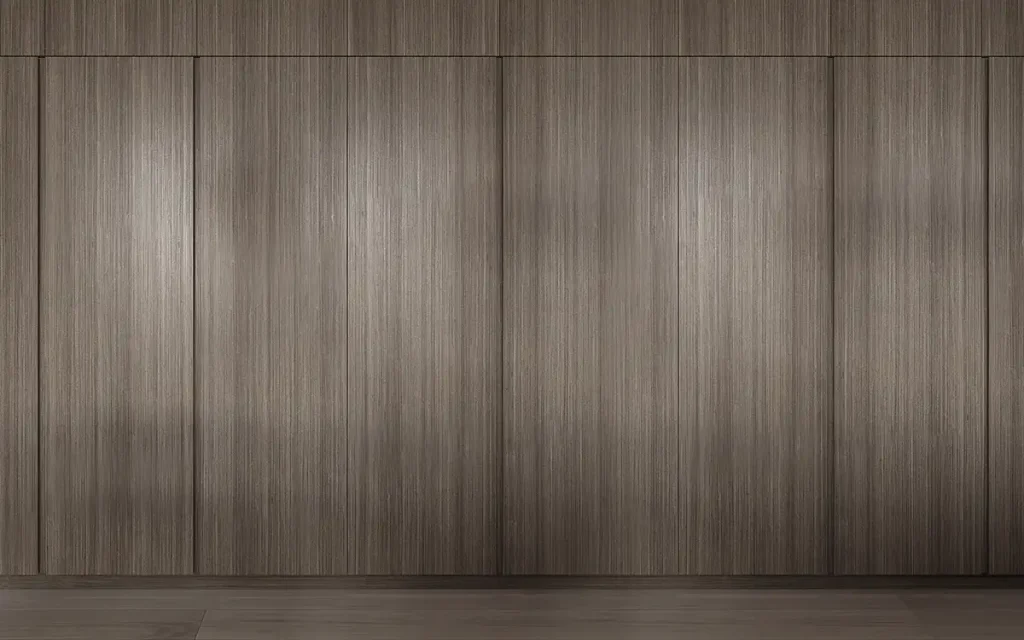
A concealed door is more than just a functional entryway—it is an architectural design element that helps maintain visual continuity throughout a space. By eliminating visible frames, trim, and exposed hardware, concealed doors create a streamlined look that aligns with contemporary interior design trends.
A secret door can be designed in many forms, including flush wall doors, bookshelf doors, concealed pantry entrances, wardrobe-integrated doors, and decorative panel doors. Depending on the project goals, the door may be subtly disguised or completely invisible to casual observers.
1. Flush Wall Concealed Door
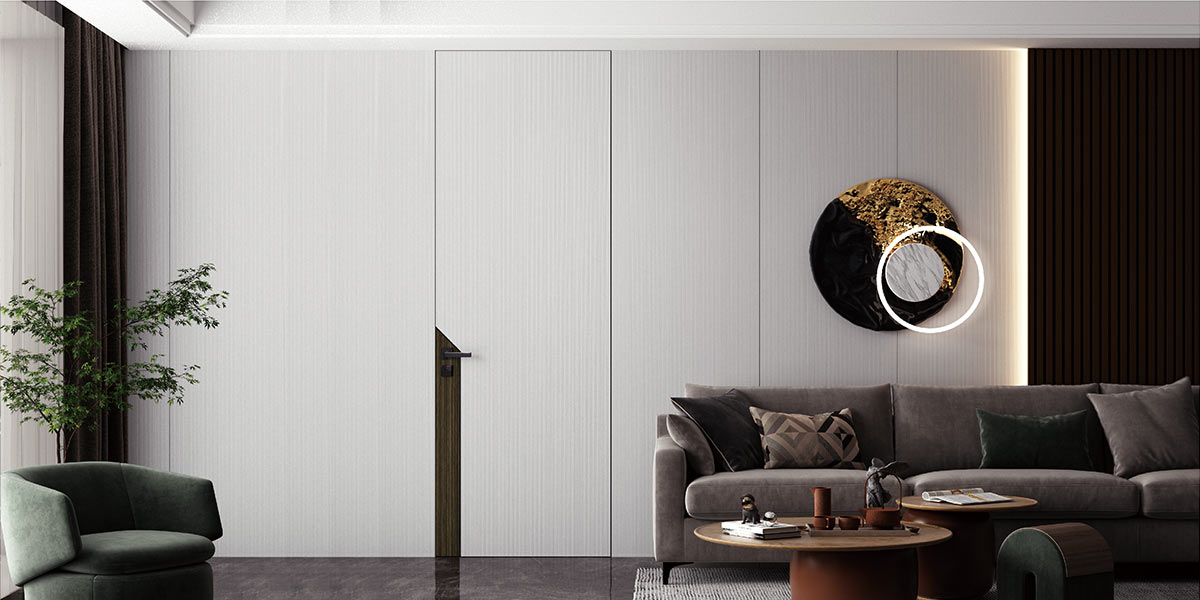
A flush wall door sits perfectly aligned with the wall surface, eliminating visible frames and trim.
Materials
· MDF panels
· Solid wood veneer
· Painted gypsum board
· Aluminum concealed frames
Best Interior Styles
· Minimalist
· Modern
· Contemporary
· Scandinavian
Design Tips
· Match the wall paint exactly to the door surface.
· Use concealed hinges.
· Install magnetic latches for a cleaner appearance.
2. Full-Height Hidden Door
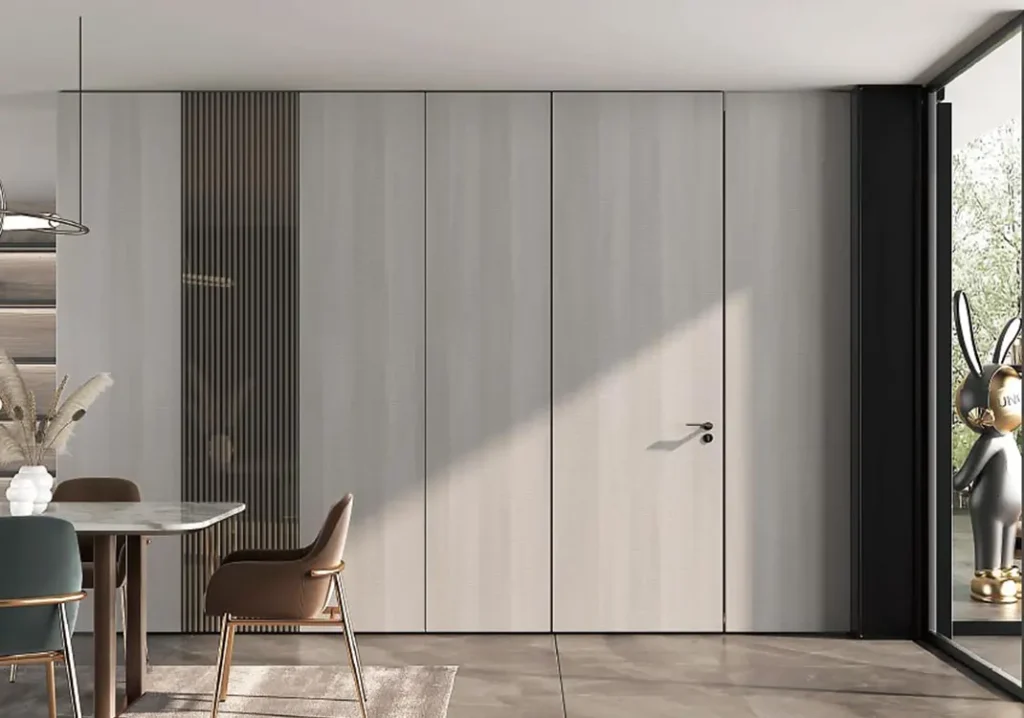
Extending from floor to ceiling, this hidden door creates a dramatic architectural effect while remaining nearly invisible.
Materials
· Wood veneer panels
· High-pressure laminate
· Painted MDF
Best Interior Styles
· Luxury modern
· Contemporary villas
· High-end apartments
Design Tips
· Align door panel joints with wall patterns.
· Maintain consistent ceiling detailing.
3. Bookcase Secret Door
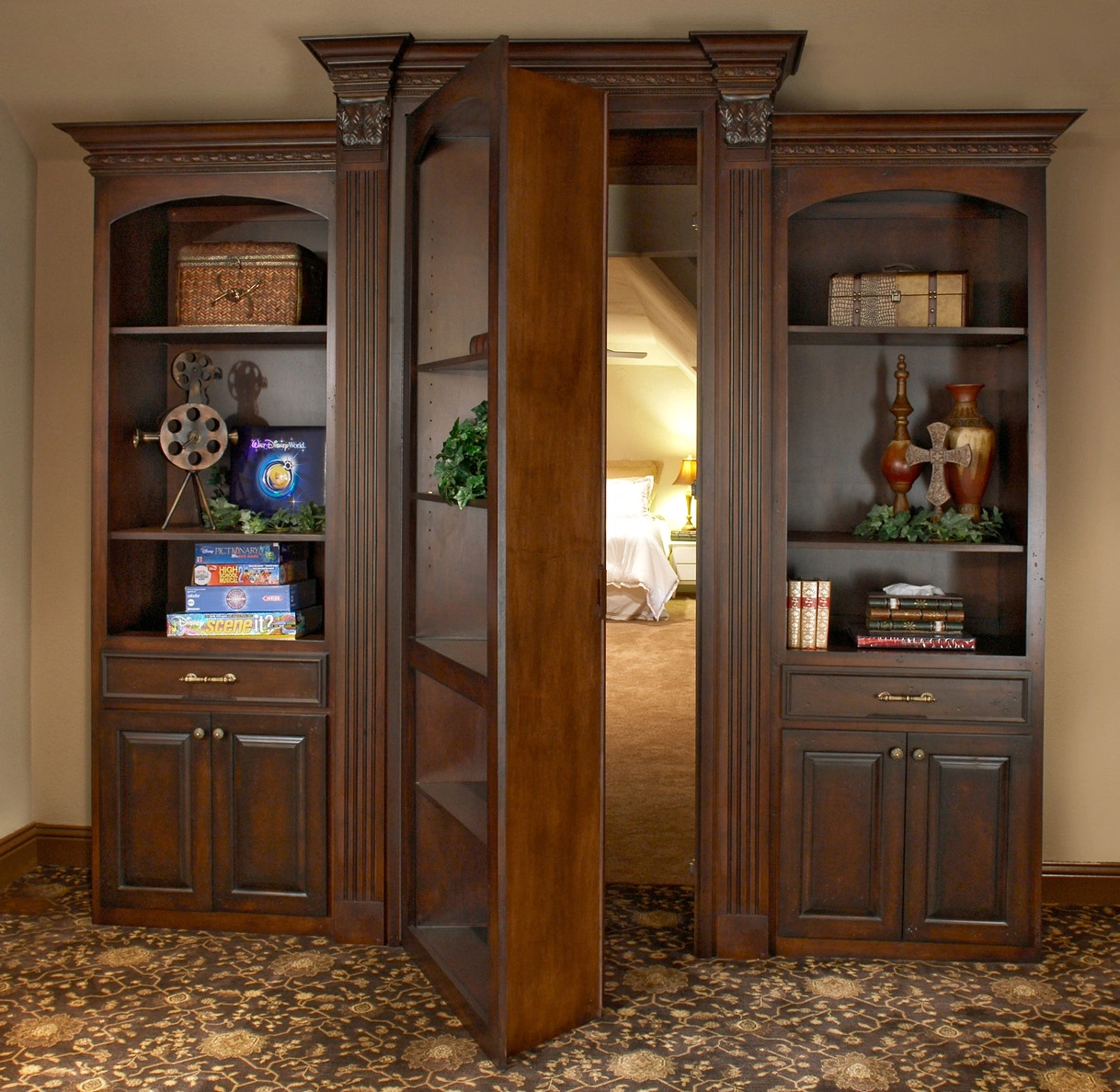
One of the most recognizable hidden door concepts, a bookshelf doubles as a functional entry point. The shelves can be fully functional, holding books and decorative items, while cleverly hiding a secret room or storage area behind. This idea blends practicality with intrigue, making it a favorite among homeowners and designers alike.
Materials
· Solid wood
· Engineered wood
· Steel reinforcement
Best Interior Styles
· Traditional
· Transitional
· Luxury residential
Design Tips
· Balance shelving weight carefully.
· Use pivot hardware designed for heavy loads.
4. Wood Slat Panel Hidden Door
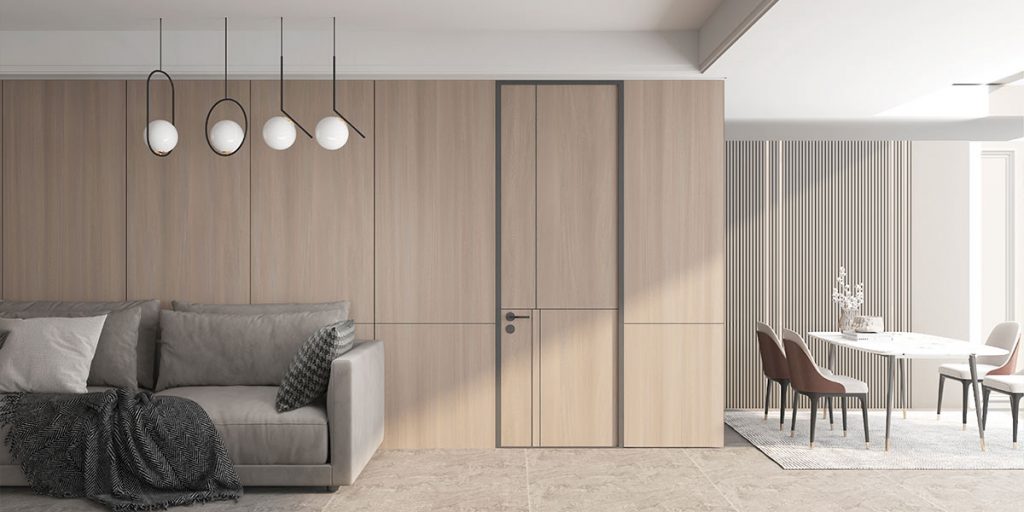
Wood slat walls have become increasingly popular in modern interiors, making them ideal for concealed access points.
Materials
· Oak
· Walnut
· Ash wood
· Wood veneer panels
Best Interior Styles
· Japandi
· Scandinavian
· Modern luxury
Design Tips
· Continue slat spacing seamlessly across the door.
· Hide handle systems within the slat design.
5. Mirror Concealed Door
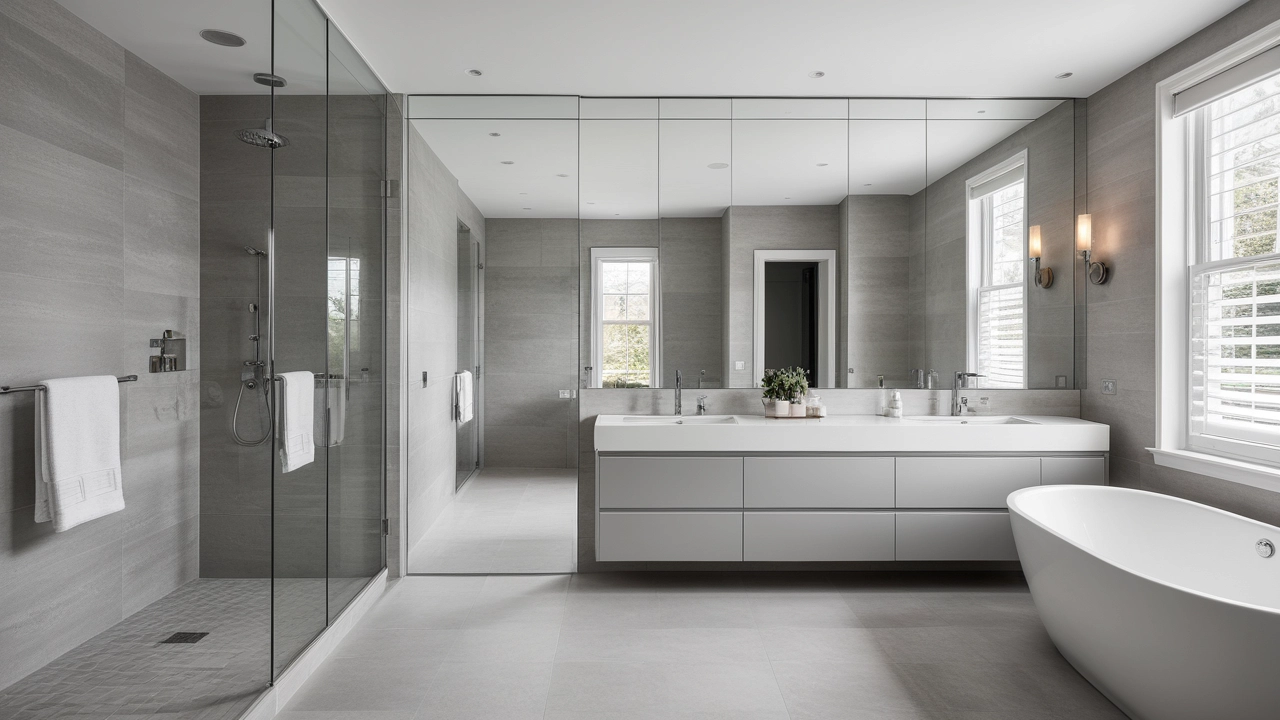
Mirrors are a versatile element in interior design, often used to make spaces appear larger and brighter. A full-length mirror that doubles as a hidden door is a chic and elegant solution for bedrooms or walk-in closets. It’s a brilliant way to combine utility with style.
Materials
· Tempered mirror glass
· Aluminum frames
· Reinforced pivot systems
Best Interior Styles
· Contemporary
· Luxury hotel suites
· Boutique residences
Design Tips
· Use safety-backed mirror panels.
· Select high-quality concealed hinges.
6. Wainscoting Hidden Door
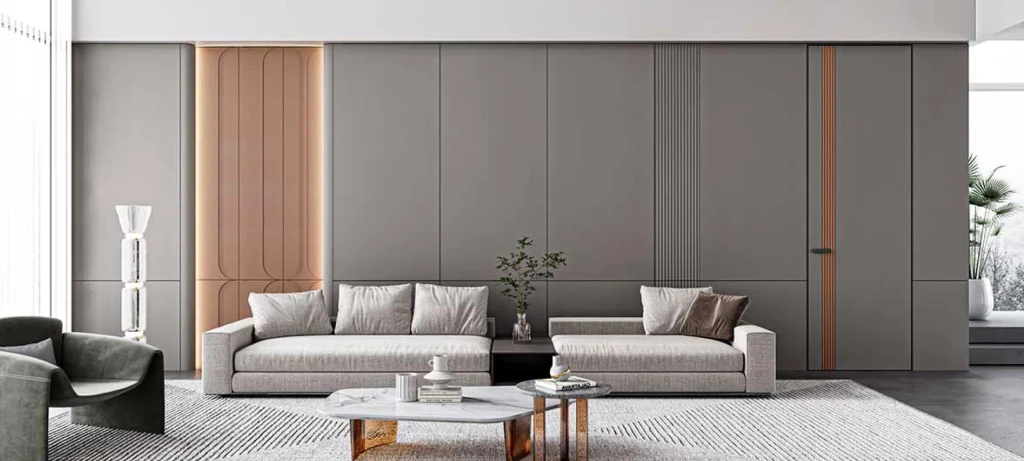
Wall panels are an excellent way to disguise a door seamlessly. By matching the door material and finish to the surrounding wall panels, you can create an almost invisible entryway. This design is ideal for minimalist interiors where clean lines and uniformity are key.
Materials
· Solid wood
· MDF moldings
· Painted panels
Best Interior Styles
· Classic
· Transitional
· Colonial-inspired interiors
Design Tips
· Continue molding profiles uninterrupted.
· Hide reveals carefully around the perimeter.
7. Hidden Bathroom Door
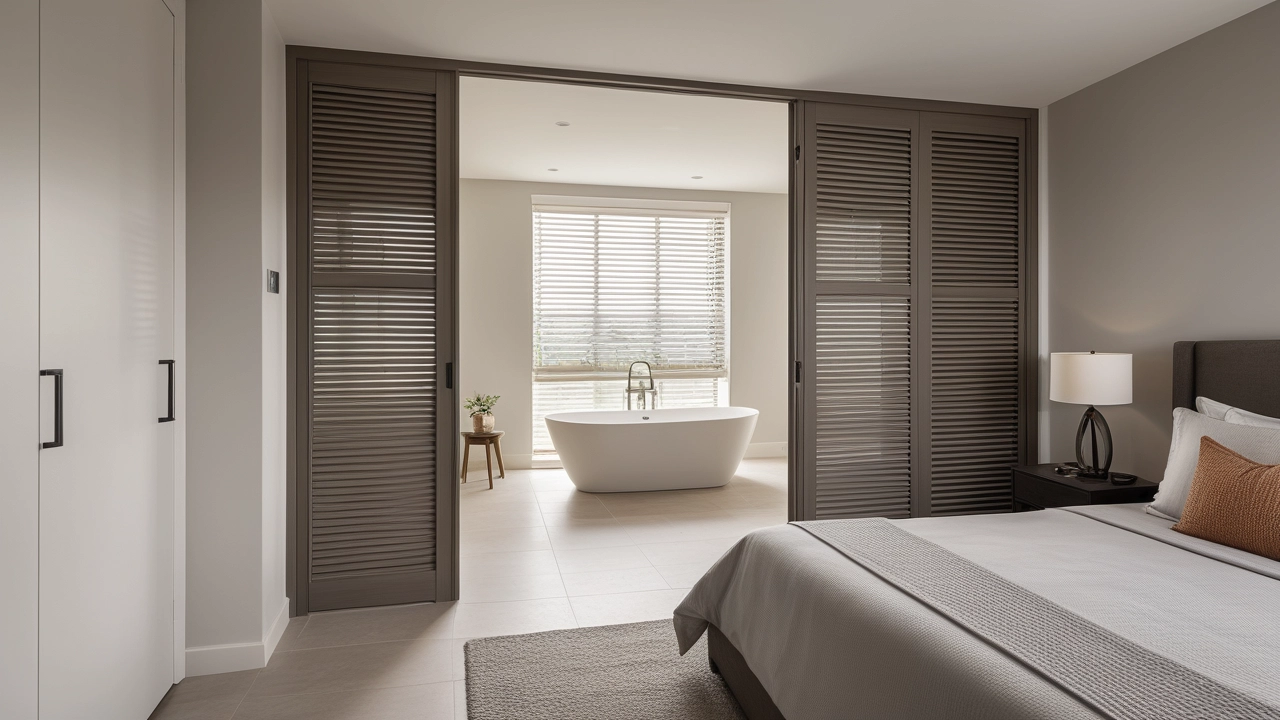
A hidden bathroom door seamlessly integrates into surrounding walls, cabinetry, or decorative panels, creating a cleaner and more cohesive interior while maintaining privacy.
Materials
· Moisture-resistant MDF
· Wood veneer panels
·High-pressure laminate
·Waterproof painted finishes
Best Interior Styles
·Modern
·Minimalist
·Contemporary
·Luxury residential
Design Tips
·Use moisture-resistant materials suitable for humid environments.
·Match wall finishes or paneling to conceal the door outline.
·Install concealed hinges and magnetic latches for a seamless appearance.
·Ensure proper ventilation and waterproofing around the door area.
8. Kitchen Pantry Hidden Door
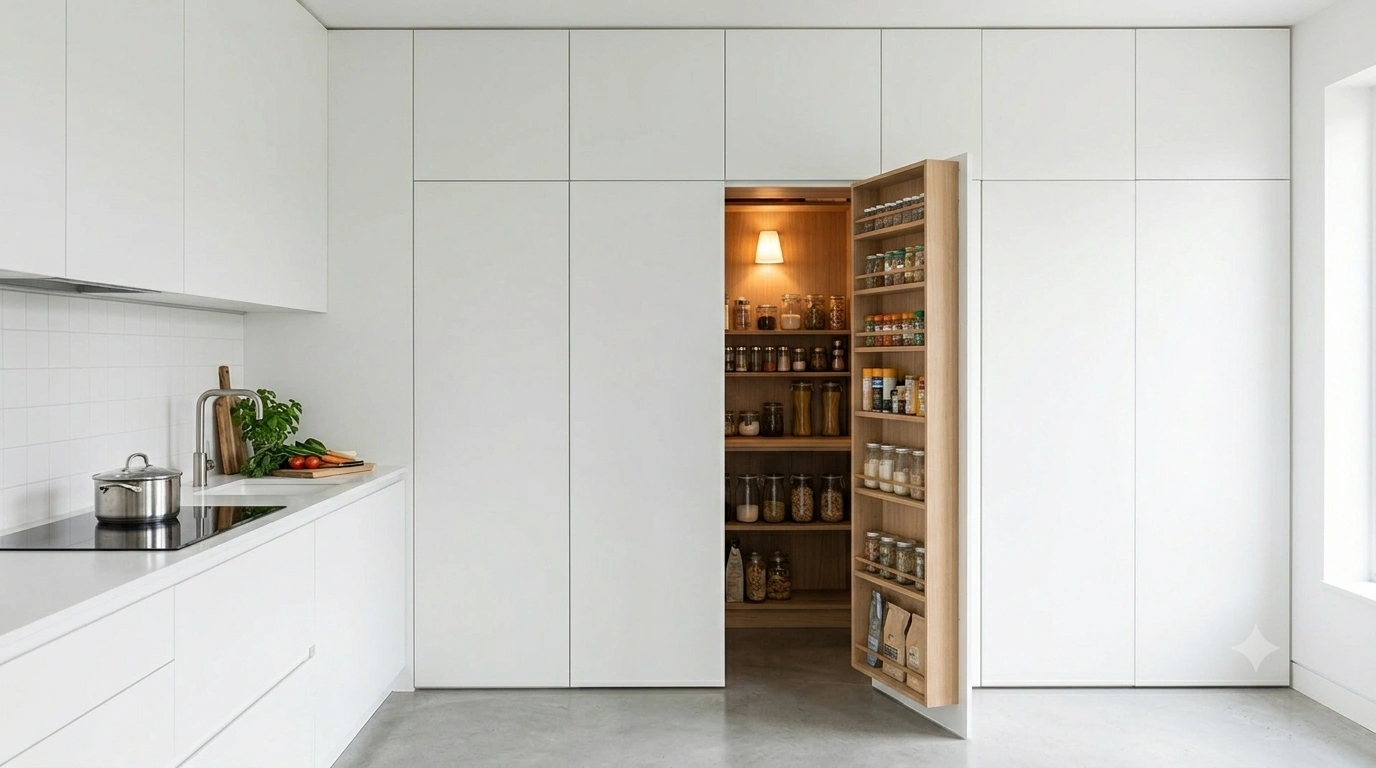
Conceal your pantry behind cabinet doors that blend seamlessly with your kitchen cabinetry. This design keeps your kitchen looking sleek and organized while providing easy access to pantry essentials.
Materials
· Cabinet-grade plywood
· Thermofoil finishes
· Laminate panels
Best Interior Styles
· Modern kitchens
· Transitional kitchens
· Farmhouse-inspired spaces
Design Tips
· Match cabinet fronts precisely.
· Integrate push-to-open mechanisms.
9. Wardrobe Hidden Door
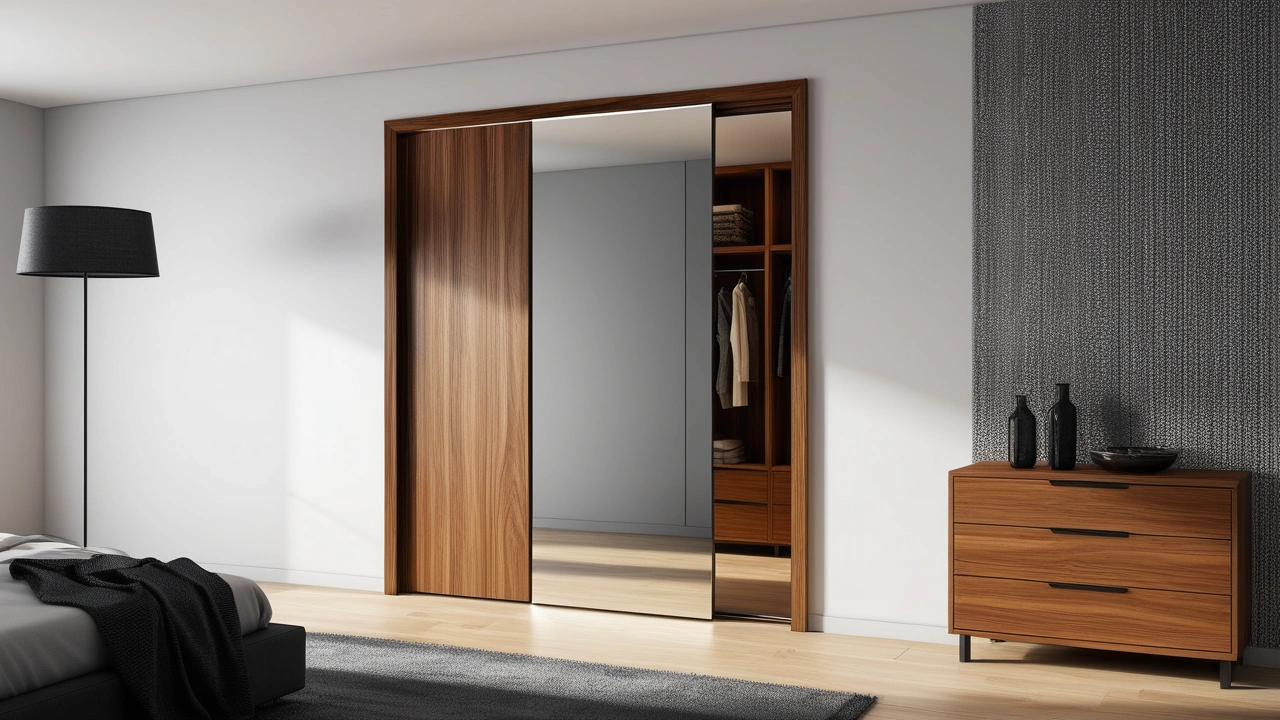
For those who value privacy and organization, a concealed closet door in the bedroom is an excellent choice. By matching the door’s finish to the wall or adding mirrored panels, you can create a seamless look that keeps your belongings out of sight.
Materials
· Melamine
· Veneer panels
· Lacquer finishes
Best Interior Styles
· Contemporary bedrooms
· Luxury suites
· Custom homes
Design Tips
· Maintain consistent wardrobe spacing.
· Conceal hardware completely.
10. Fluted Panel Secret Door
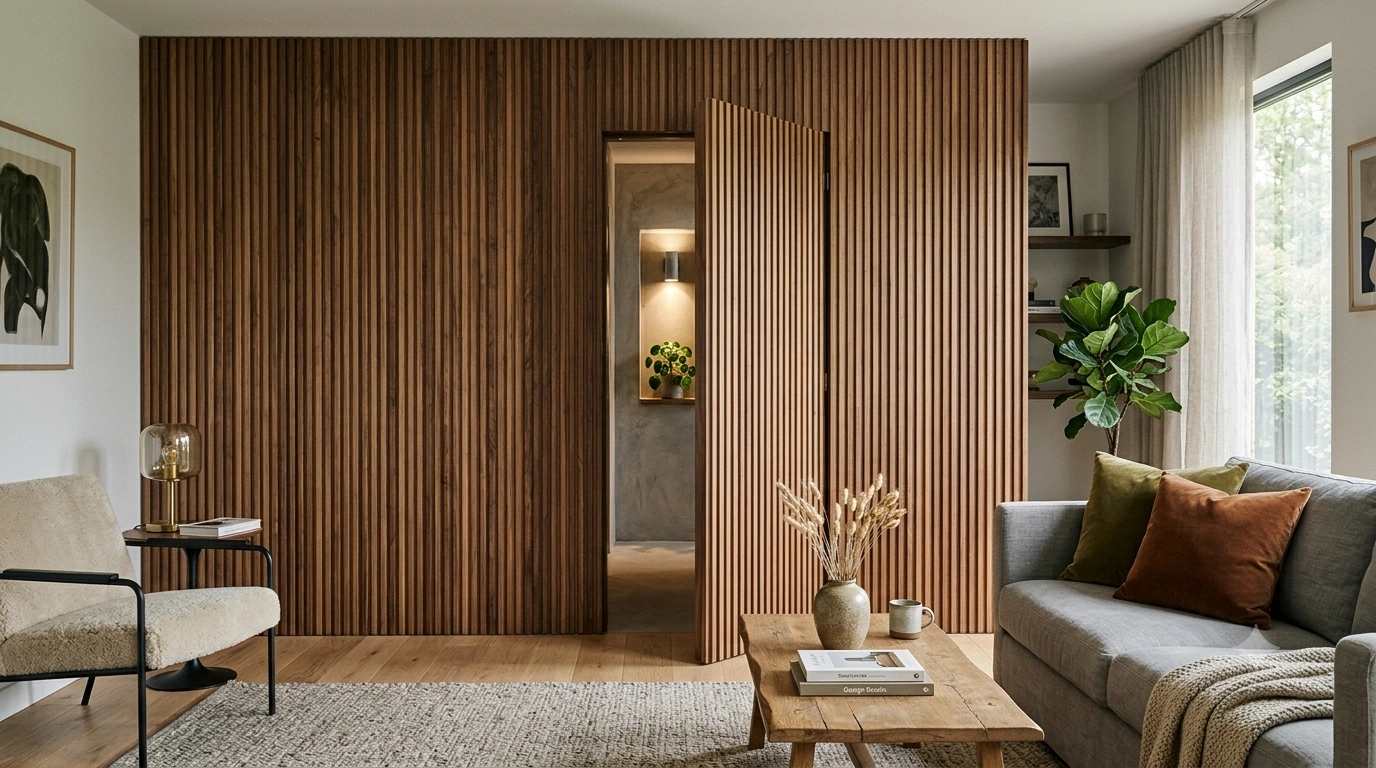
Fluted wall panels provide texture while helping disguise door outlines.
Materials
· Solid wood
· MDF fluted panels
· Veneer cladding
Best Interior Styles
· Art Deco
· Modern luxury
· Boutique hospitality
Design Tips
· Continue grooves seamlessly.
· Minimize visible reveals.
11. Pivot Hidden Door
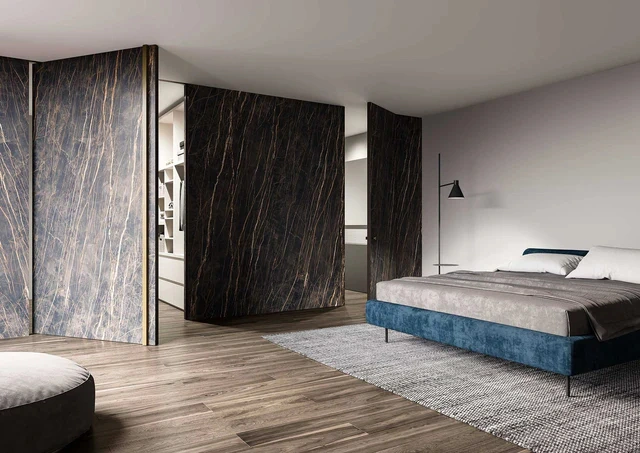
Pivot systems create larger openings while maintaining a sleek appearance.
Materials
· Engineered wood
· Aluminum frames
· Glass inserts
Best Interior Styles
· Contemporary architecture
· Luxury homes
· Commercial interiors
Design Tips
· Specify premium pivot hardware.
· Ensure adequate structural support.
12. Wallpaper-Matched Hidden Door
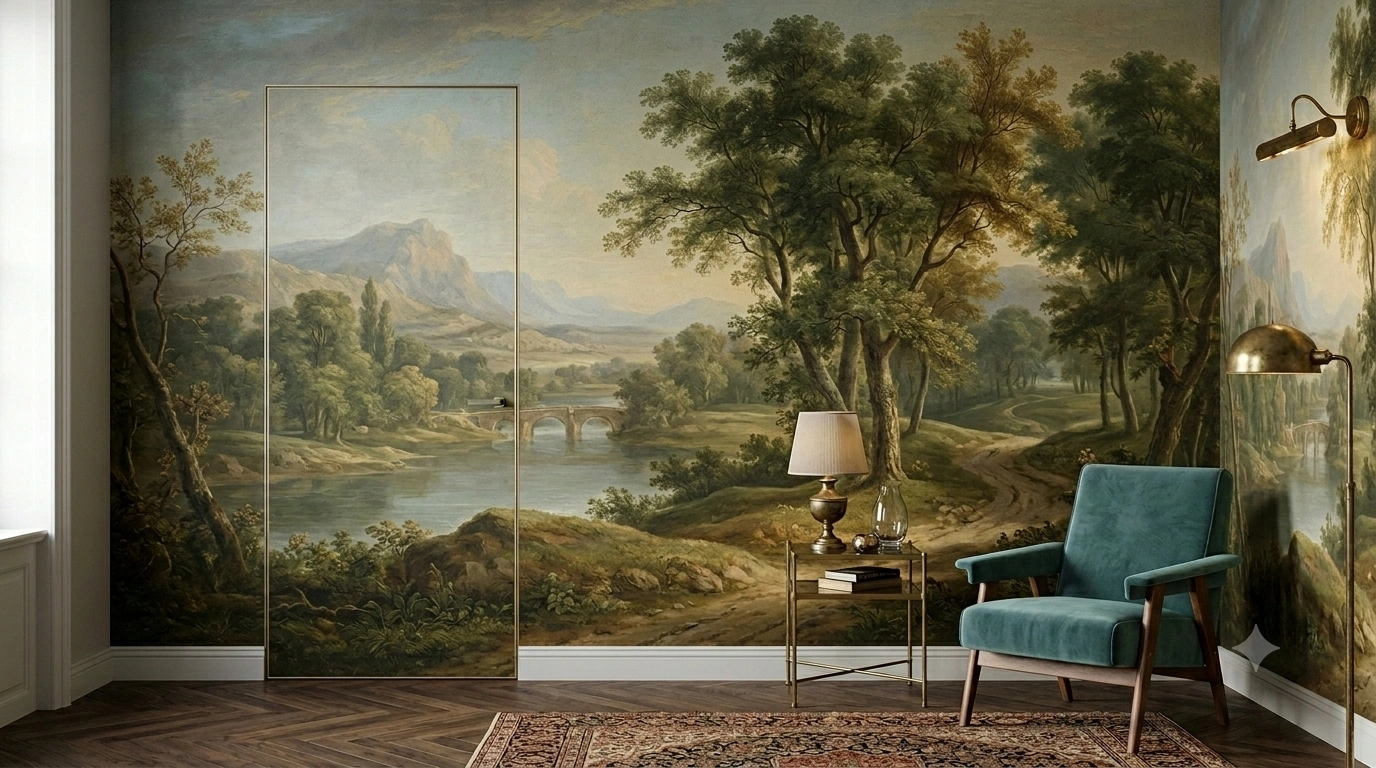
Wallpaper can visually erase the appearance of a door.
Materials
· Decorative wallpaper
· Fabric wall coverings
· Vinyl wall panels
Best Interior Styles
· Boutique hotels
· Residential feature walls
· Luxury apartments
Design Tips
· Align wallpaper patterns precisely.
· Avoid highly reflective finishes.
13. Hidden Home Office Door
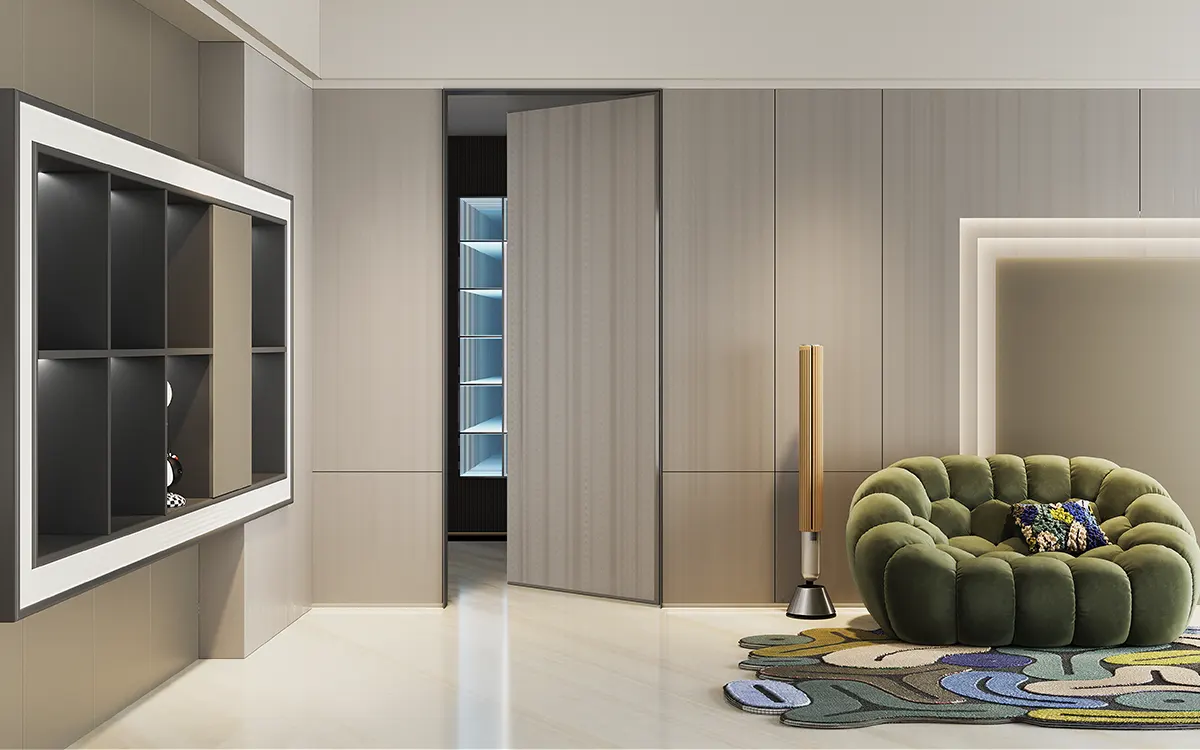
Remote work has increased demand for private workspaces hidden within residential interiors.
Materials
· Wood panels
· Custom millwork
· Painted MDF
Best Interior Styles
· Modern homes
· Executive residences
· Multifunctional spaces
Design Tips
· Include acoustic insulation.
· Use soft-close hardware.
14. TV Feature Wall Concealed Door
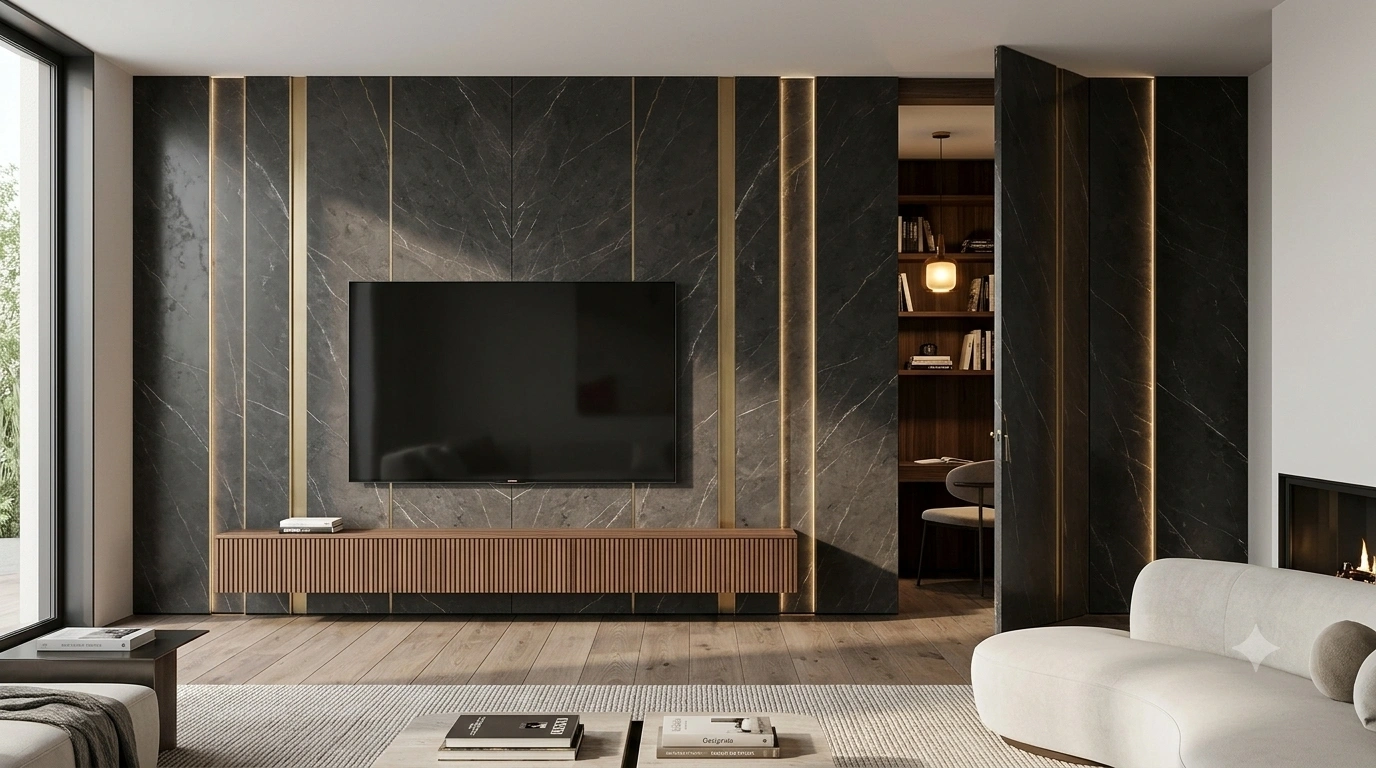
Incorporate a hidden door into your entertainment center by designing it as part of your TV wall unit. This idea is perfect for modern living rooms where technology and design converge seamlessly.
Materials
· Veneer panels
· Stone-look panels
· Decorative laminates
Best Interior Styles
· Media rooms
· Modern living rooms
· Luxury apartments
Design Tips
· Plan cable management carefully.
· Ensure proper weight distribution.
15. Under-Stair Hidden Door
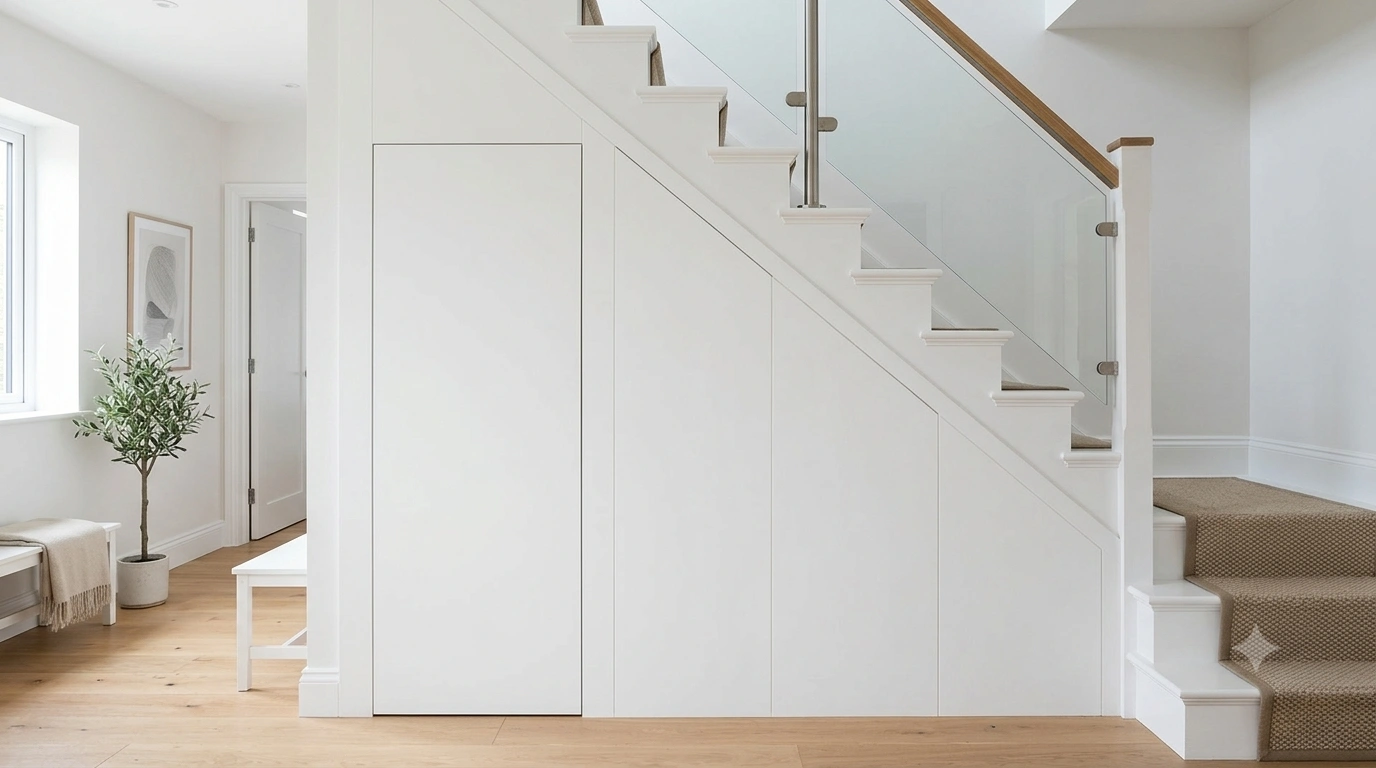
Maximize underutilized space by installing a concealed door beneath your staircase. This area can serve as a hidden storage compartment, wine cellar, or even a cozy reading nook. It’s an efficient use of space that doesn’t compromise on style.
Materials
· MDF
· Plywood
· Painted wood panels
Best Interior Styles
· Small homes
· Townhouses
· Contemporary interiors
Design Tips
· Maximize storage accessibility.
· Use touch-latch systems.
16. Glass Concealed Door
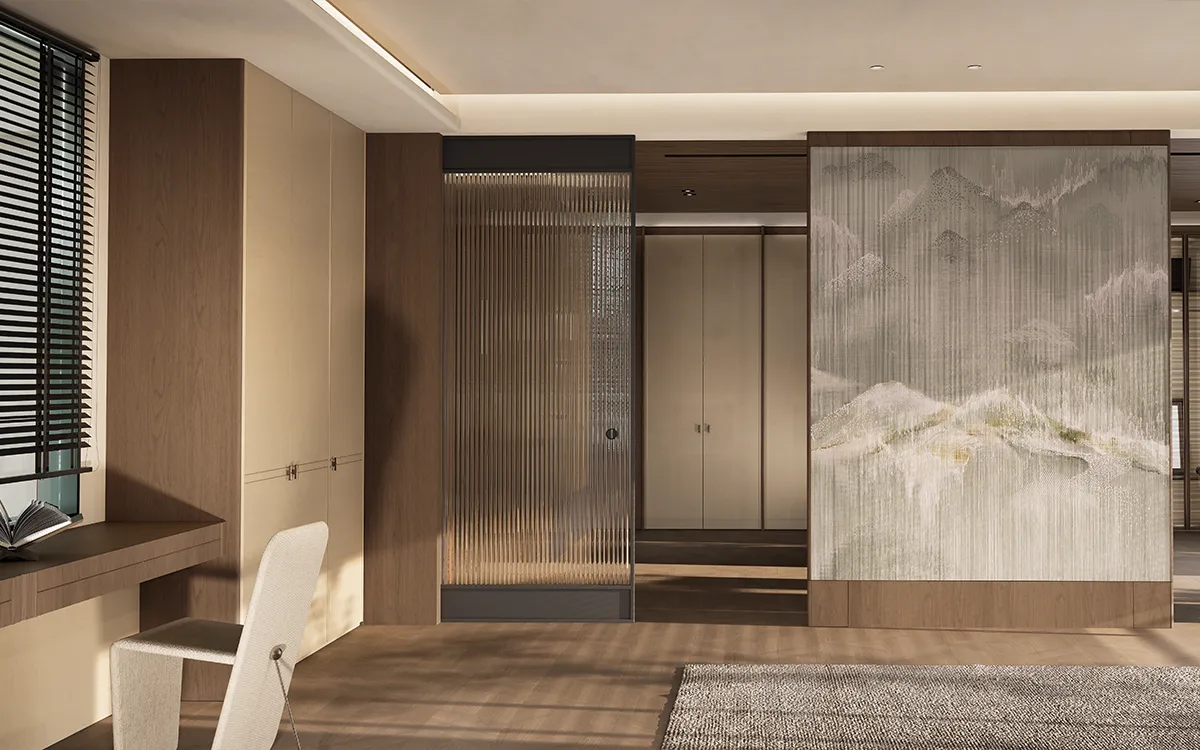
Specialized glass treatments can create subtle, hidden transitions between spaces.
Materials
· Frosted glass
· Back-painted glass
· Smart glass
Best Interior Styles
· Modern offices
· Contemporary homes
· Hospitality projects
Design Tips
· Coordinate glass opacity levels.
· Use minimal framing.
17. Decorative Wall Panel Hidden Door
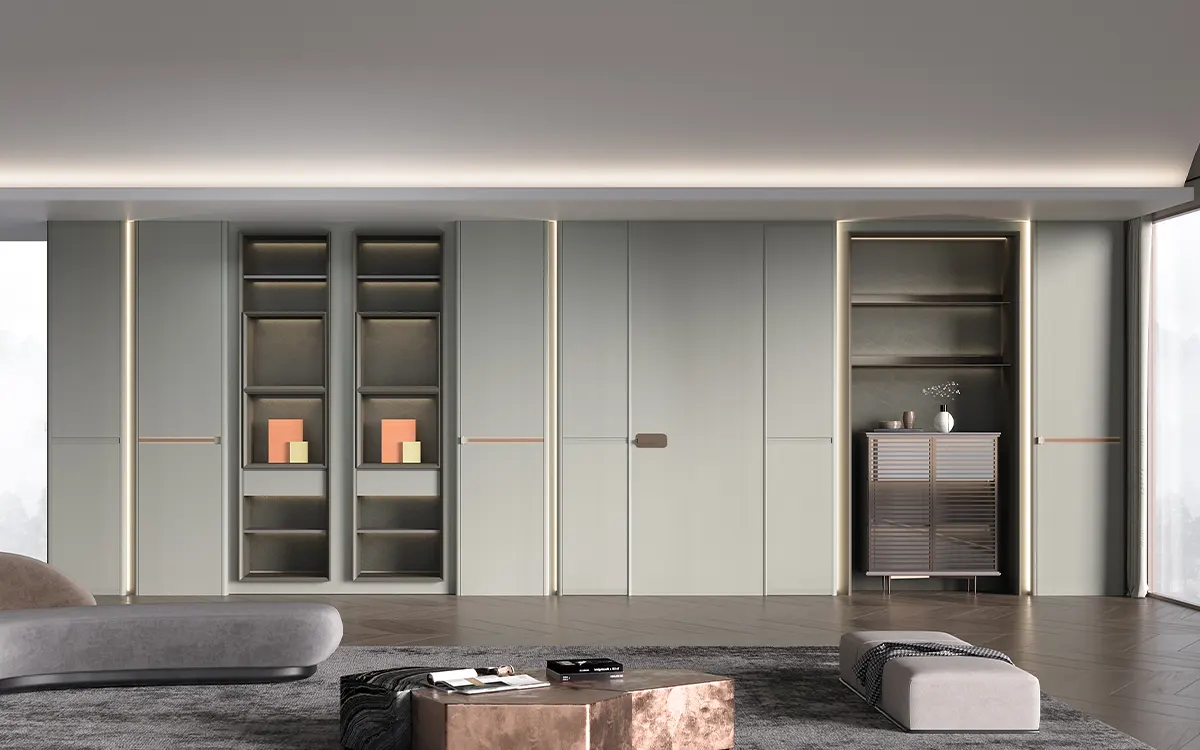
Feature walls naturally conceal door openings when patterns continue uninterrupted.
Materials
· Wood veneer
· PVC decorative panels
· Composite materials
Best Interior Styles
· Modern luxury
· Commercial spaces
· Hospitality environments
Design Tips
· Maintain symmetrical panel layouts.
· Align joints carefully.
18. Walk-In Closet Secret Door
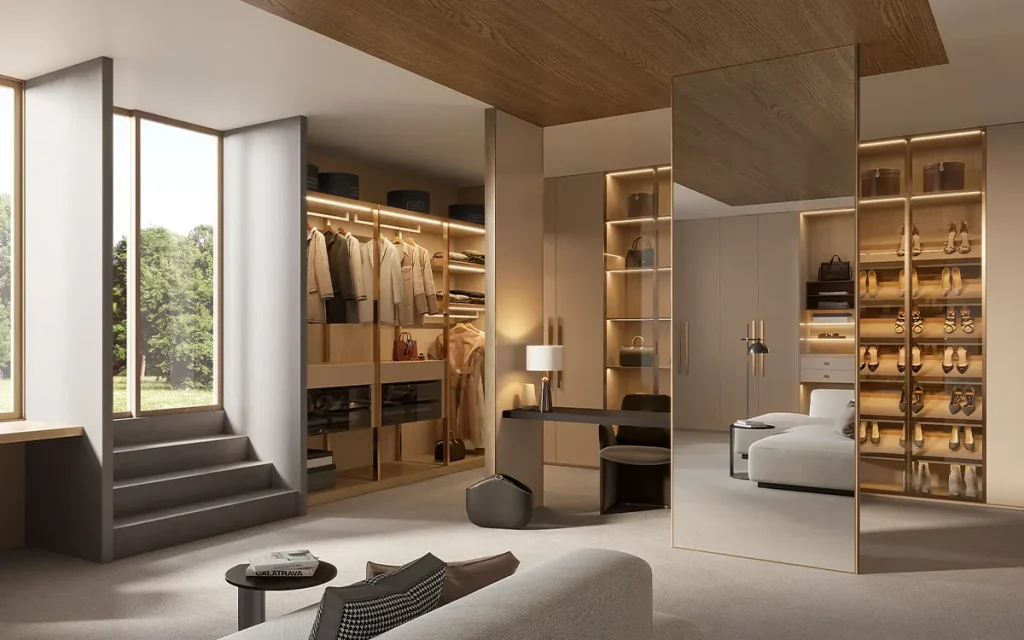
A walk-in closet can provide discreet access to private rooms, safes, or home offices.
Materials
· Custom cabinetry
· Veneer panels
· Solid wood
Best Interior Styles
· Luxury residences
· Executive homes
· High-end apartments
Design Tips
· Incorporate premium hardware.
· Prioritize smooth operation and durability.
Key Materials Used for Concealed Hidden Doors
Choosing the right material directly impacts performance and aesthetics.
Wood Veneer
· Warm and natural appearance
· Highly customizable
· Ideal for luxury interiors
MDF
· Cost-effective
· Easy to paint
· Excellent for flush wall applications
Aluminum Frames
· Strong and lightweight
· Perfect for modern projects
· Resistant to warping
Glass
· Creates visual openness
· Suitable for contemporary spaces
· Available in multiple finishes
Stone and Porcelain Panels
· Premium appearance
· Durable surfaces
· Ideal for statement walls
Conclusion
Concealed hidden doors have evolved from novelty features into sophisticated architectural solutions. Whether integrated into bookshelves, wall panels, wardrobes, kitchens, or feature walls, a thoughtfully designed secret door enhances functionality while preserving clean visual lines.
Whether you’re designing a luxury residence, renovating a commercial space, or sourcing innovative architectural solutions, choosing the right hidden door system can dramatically enhance both aesthetics and functionality.
OPPOLIA partners with contractors, homeowners, developers, and interior designers to deliver customized solutions for residential, commercial, and hospitality projects. From premium concealed door systems to fully integrated interior solutions, our team provides expert manufacturing capabilities, project support, and tailored design services to help bring your vision to life.
Ready to elevate your next project with innovative concealed door solutions? Reach out to OPPOLIA today for expert guidance and a complimentary project quotation.
FAQs about Concealed Hidden Door Design Ideas
A concealed hidden door is a door system designed to blend seamlessly with surrounding walls, cabinetry, or architectural features, making it difficult to detect when closed.
Generally yes. Additional costs come from specialized hardware, concealed frames, custom fabrication, and precise installation requirements.
Wood veneer, MDF, aluminum-framed panels, glass, and lightweight stone veneers are among the most commonly used materials.
Yes. Many hidden door systems can be incorporated into renovation projects, although planning and structural assessment are important.
Modern, minimalist, contemporary, Scandinavian, Japandi, and luxury interiors benefit most from concealed door systems, though traditional styles can also utilize customized hidden solutions.