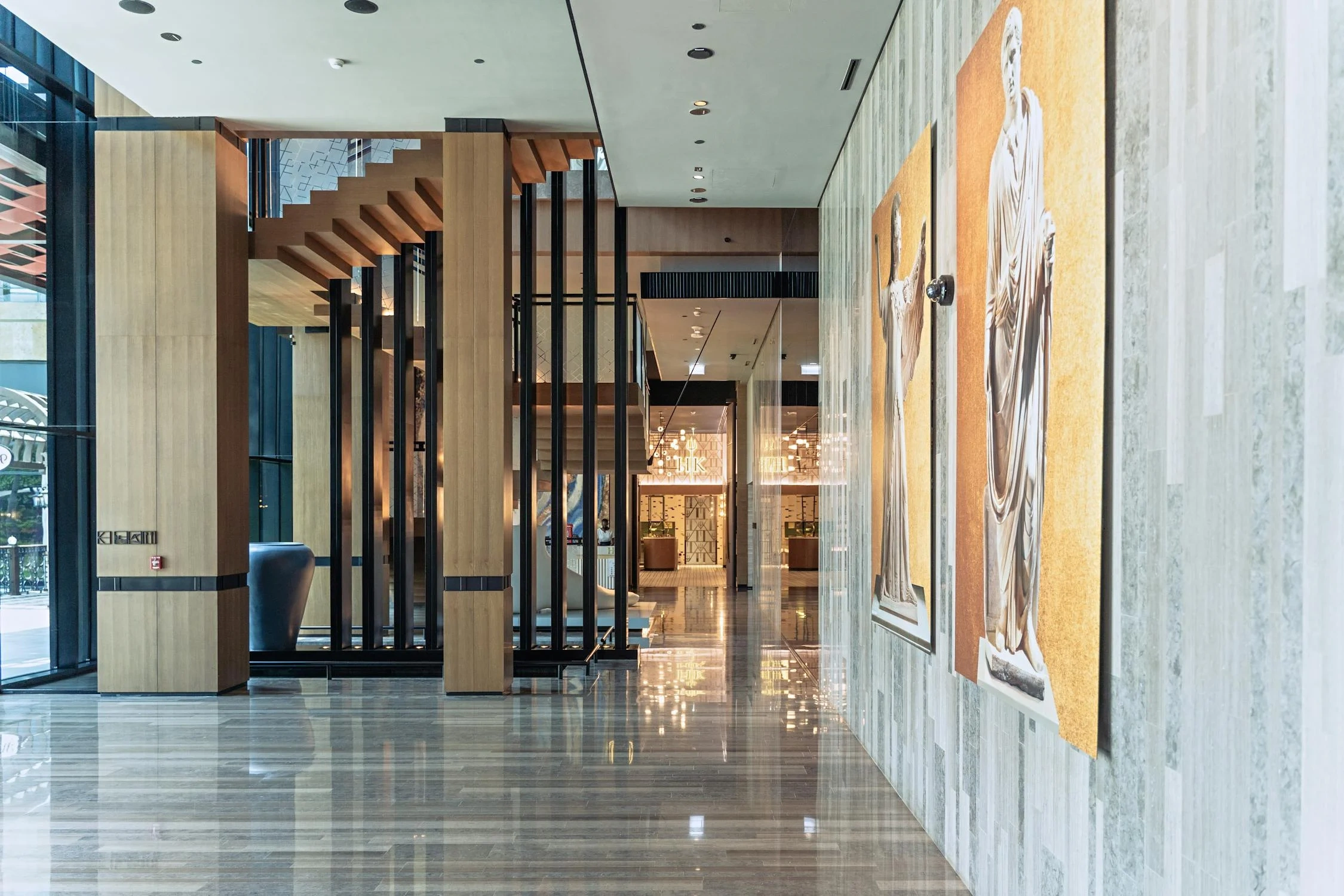

Summary Introduction: Custom joinery is becoming a strategic asset in commercial fit-outs, not just a finishing detail. As we move toward 2026, contractors are seeing stronger demand for tailored joinery solutions that improve durability, speed of installation, sustainability, and long-term value. This article explores the key custom joinery design trends shaping commercial fit-outs in 2026, with practical insights contractors can apply on real projects.
Commercial fit-outs are evolving fast. Clients expect spaces that look refined, perform well under heavy use, and reflect their brand identity. For contractors, this puts pressure on every decision, especially when it comes to custom joinery.
Unlike off-the-shelf solutions, custom joinery allows full control over dimensions, materials, finishes, and functionality. In 2026, this flexibility is no longer a luxury. It is becoming a baseline requirement across offices, retail, hospitality, healthcare, and mixed-use developments.
Below are the most important custom joinery trends contractors should understand as they plan and deliver future-ready commercial fit-outs.

- 1. Function-First Design with Integrated Storage
- 2. Modular and Scalable Custom Joinery Systems
- 3. Sustainable Materials and Low-Emission Finishes
- 4. Brand-Driven Design and Visual Consistency
- 5. Smart Joinery with Integrated Technology
- 6. Durability for High-Traffic Commercial Environments
- 7. Precision Manufacturing and Quality Control
- 8. Minimalist Aesthetics with High Performance
- 9. Multi-Functional Designs
- 10. Bold Colors and Textures
- Conclusion
- FAQs about Custom Joinery
1. Function-First Design with Integrated Storage
In commercial spaces, joinery must earn its footprint. Clients are prioritizing multi-functional units that combine aesthetics with practical storage and utility.
Expect to see more:
- Built-in storage walls that double as acoustic panels
- Reception desks with concealed cable management and power access
- Breakout area joinery that integrates seating, shelving, and lighting
A well-designed custom cabinet solution reduces clutter, improves workflow, and minimizes the need for additional furniture. For contractors, this means tighter coordination between design, MEP, and joinery fabrication from the early stages of the project.
2. Modular and Scalable Custom Joinery Systems
Time pressure on commercial projects is increasing. In response, modular custom-built joinery systems are gaining traction in 2026.
These systems are:
- Factory-manufactured for consistency
- Designed to be installed in sections on-site
- Easier to transport and replace if damaged
For contractors, modular joinery reduces installation time, limits on-site labor, and lowers the risk of defects. It also improves predictability, which is critical when managing tight handover deadlines.
The key trend is not standardization, but smart modularization. Each project still uses custom dimensions and finishes, but the construction logic is optimized for speed and repeatability.
3. Sustainable Materials and Low-Emission Finishes
Sustainability is no longer optional in commercial fit-outs. Developers and tenants are demanding materials that meet environmental standards without compromising performance.
Custom joinery trends include:
- FSC-certified plywood and engineered boards
- Low-VOC adhesives, lacquers, and coatings
- Durable laminates that extend product life cycles
Partnering with manufacturers who document material sourcing and testing helps contractors meet compliance requirements and avoid delays during inspections.
4. Brand-Driven Design and Visual Consistency
Commercial clients want their physical spaces to reflect their brand clearly and consistently. Custom joinery plays a central role in achieving this.
In 2026, expect:
- Branded color palettes embedded into joinery finishes
- Repeated design elements across multiple locations
- Signature textures or profiles used in feature walls and counters
This is particularly important for retail chains, hospitality groups and corporate offices. A well-executed custom cabinet or wall unit becomes part of the brand language, not just a functional element.
For contractors, accuracy and repeatability across sites are critical. Small inconsistencies can undermine the entire design intent.
5. Smart Joinery with Integrated Technology
Technology integration is shaping the next generation of commercial interiors. Custom joinery is increasingly designed to support smart building systems.
Common integrations include:
- Built-in charging stations and wireless power
- LED lighting with motion sensors
- Access panels for IT and security systems
Rather than retrofitting technology later, contractors are expected to coordinate these elements during the joinery design phase. This reduces rework and ensures compliance with electrical and safety standards.
Joinery manufacturers with technical expertise can help contractors avoid clashes between structure, services, and finishes.
6. Durability for High-Traffic Commercial Environments
Commercial joinery must withstand constant use. Durability is a major decision factor, especially in sectors like healthcare, education, and hospitality.
Key durability trends include:
- Impact-resistant laminates
- Moisture-resistant cores for wet areas
- Edge treatments designed to reduce chipping
Custom joinery allows contractors to specify reinforcements exactly where they are needed. This targeted approach often performs better than generic solutions and reduces maintenance costs over time.
Clients increasingly value lifecycle performance, not just upfront cost.
7. Precision Manufacturing and Quality Control
As tolerances tighten, precision manufacturing is becoming essential. Poorly made joinery can delay installation, cause defects, and damage a contractor’s reputation.
In 2026, leading custom joinery suppliers emphasize:
- CNC-controlled production
- Pre-installation testing and dry fitting
- Consistent quality across large project volumes
From an experience and authority standpoint, contractors benefit from working with manufacturers who have proven systems and a strong project track record. This reduces risk and improves outcomes on complex commercial fit-outs.
8. Minimalist Aesthetics with High Performance
Minimalism continues to dominate commercial design, but with higher expectations for performance and durability.
Characteristics of minimalist joinery:
- Clean lines and handle-less designs
- Neutral tones with textured finishes
For contractors, precision manufacturing is critical. Poor tolerances are far more visible in minimalist custom joinery, making supplier selection a key risk-management decision.
9. Multi-Functional Designs
Multi-functional joinery is becoming a core requirement in commercial fit-outs heading. Clients want every element to serve more than one purpose, especially in offices and mixed-use spaces where floor area is tightly controlled.
Examples include:
- Joinery walls that combine storage, display shelving, and acoustic control
- Meeting room joinery that incorporates whiteboards, screens, and concealed power
Custom joinery allows contractors to tailor these solutions precisely to site conditions and usage needs. A well-planned custom cabinet or joinery system can reduce the need for loose furniture, simplify layouts, and improve long-term space efficiency.
10. Bold Colors and Textures
The way shops and offices are designed is changing. In the past, they were mostly neutral, but now they are becoming more colourful and exciting. In 2026, people will be specifying bold colours and tactile textures in custom joinery more and more to create a visual impact and make a brand stand out.
Common trends include:
- Deep matte finishes in blues, greens, and charcoal tones
- Wood grains with pronounced texture or vertical emphasis
- Mixed materials, such as timber paired with metal or stone-look surfaces
You can use custom joinery to make these finishes the same on feature walls, counters and built-in furniture. Unlike standard products, custom-built joinery allows you to match the colour and finish exactly, which is very important for projects where a brand’s identity is important.
Conclusion
As commercial fit-outs move toward 2026, custom joinery is playing a more strategic role in how spaces are designed, built, and maintained. Contractors are no longer selecting joinery based on appearance alone. Performance, durability, speed of installation, sustainability, and brand alignment all factor into the decision.
Trends such as multi-functional designs, bold colors and textures, modular construction, and integrated technology highlight why off-the-shelf solutions often fall short in commercial environments. Well-executed custom joinery gives contractors greater control over quality and outcomes while helping clients achieve long-term value from their investment.
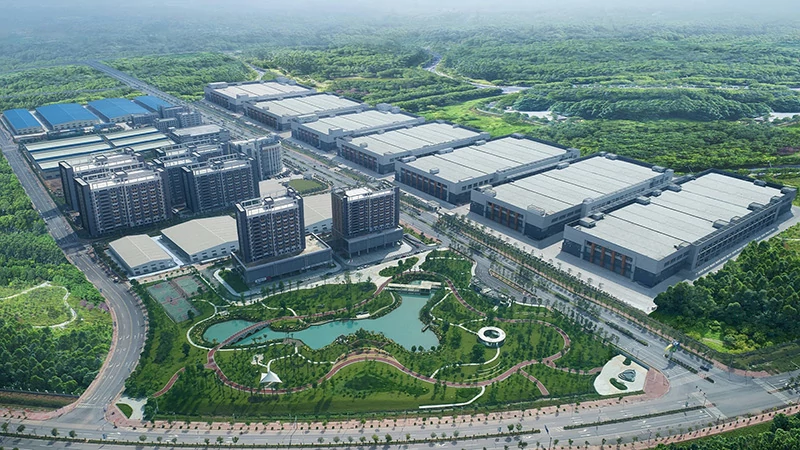
With extensive experience in commercial fit-outs, OPPOLIA understands the technical, logistical, and quality demands contractors face on-site. OPPOLIA has completed over 10,000 projects, earning recognition from clients in local markets. In recent years, OPPOLIA’s product designs have also received multiple prestigious awards, including the MUSE and A’Design Awards. If you are looking for a reliable project partner, OPPOLIA is the brand for you.
Download the latest catalogue and contact us for a free quote today.
FAQs about Custom Joinery
The latest Australian custom joinery trends focus on clean, functional design combined with sustainability and smart integration. Popular directions include minimalist cabinetry with handle-less profiles, natural timber finishes, and durable engineered materials suited for both residential and commercial use. Modular layouts, soft-close hardware, and integrated lighting are increasingly standard. In commercial and high-end residential projects, joinery is also being designed to accommodate technology, improve storage efficiency, and align with contemporary Australian architectural styles.
Yes, many custom joinery workshops specialize in bespoke furniture making tailored to specific spaces and client requirements. These workshops typically design and manufacture made-to-measure items such as built-in wardrobes, shelving systems, reception counters, and office furniture. Bespoke joinery allows for precise sizing, material selection, and finish control, making it ideal for projects where off-the-shelf furniture does not meet design, durability, or spatial needs.
To get an accurate custom joinery quote for a home office build, you should prepare basic information such as room dimensions, intended use, storage needs, preferred materials, and finish style. Many manufacturers will also request layout drawings or photos of the space. A detailed quote typically considers design complexity, material selection, hardware, and installation requirements. Providing clear project details upfront helps ensure pricing accuracy and reduces revisions later.
Yes, some professional custom joinery manufacturers now offer 3D design consultations to help clients visualize their projects before production. These consultations allow you to review layouts, proportions, finishes, and functionality in detail. OPPOLIA offers free 3D design consultations, enabling clients to see realistic renderings and make informed decisions early in the process. To access this service, please get in touch with OPPOLIA directly for assistance.
To contact custom joinery manufacturers for bulk or large-scale orders, it is best to reach out through their official websites or sales teams with a clear project brief. Include details such as order quantity, project type, timelines, drawings, and required certifications. Established manufacturers often have dedicated project teams to support contractors, developers, and commercial buyers. Early communication helps streamline production planning, pricing, and logistics for bulk joinery orders.