
Not only do cabinets set the tone for your kitchen’s aesthetic, but they also play a crucial role in terms of functionality and storage. Among the many cabinet styles available, two popular options are face frame cabinets and frameless cabinets. But which one is better suited for your kitchen remodel? Understanding the differences can help you select the best option for your design goals, budget, and project timeline.
This comprehensive guide breaks down everything you need to know about face frame and frameless kitchen cabinets so you can make the most informed choice for your next kitchen renovation.

What Is a Face Frame Cabinet?
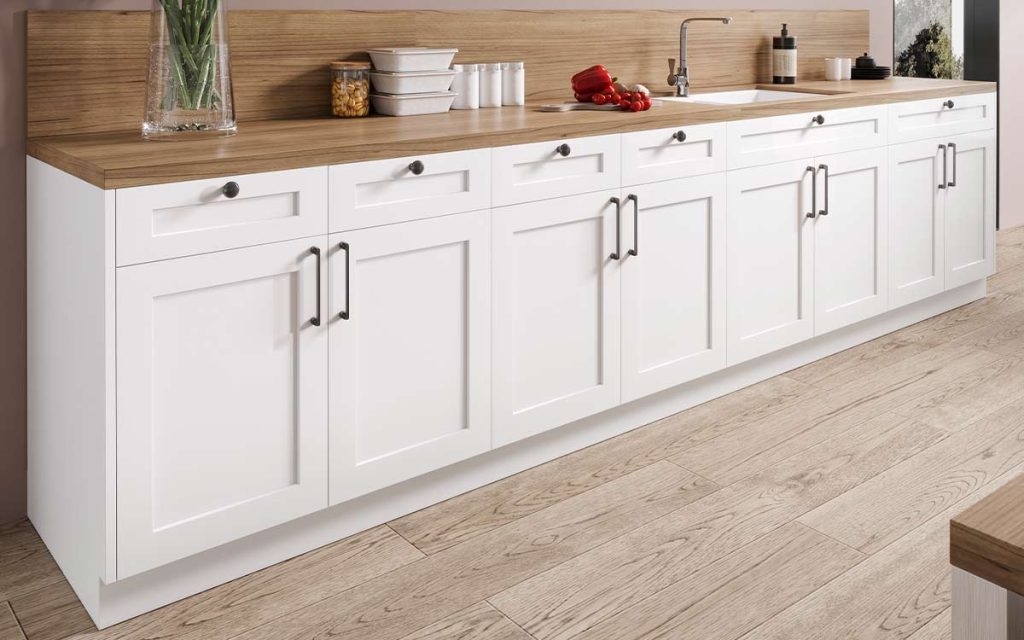
A face frame cabinet features a solid wood frame attached to the front of the cabinet box. This frame outlines the openings of the cabinet and supports the doors and drawers. Traditionally used in American cabinetry, face frame construction has a classic appearance and is known for its durability.
Key Features:
- Wooden frame on the cabinet front
- Hinges are often mounted on the frame
- More design flexibility with door styles
- Slightly reduced internal space due to the frame
What Is a Frameless Cabinet?
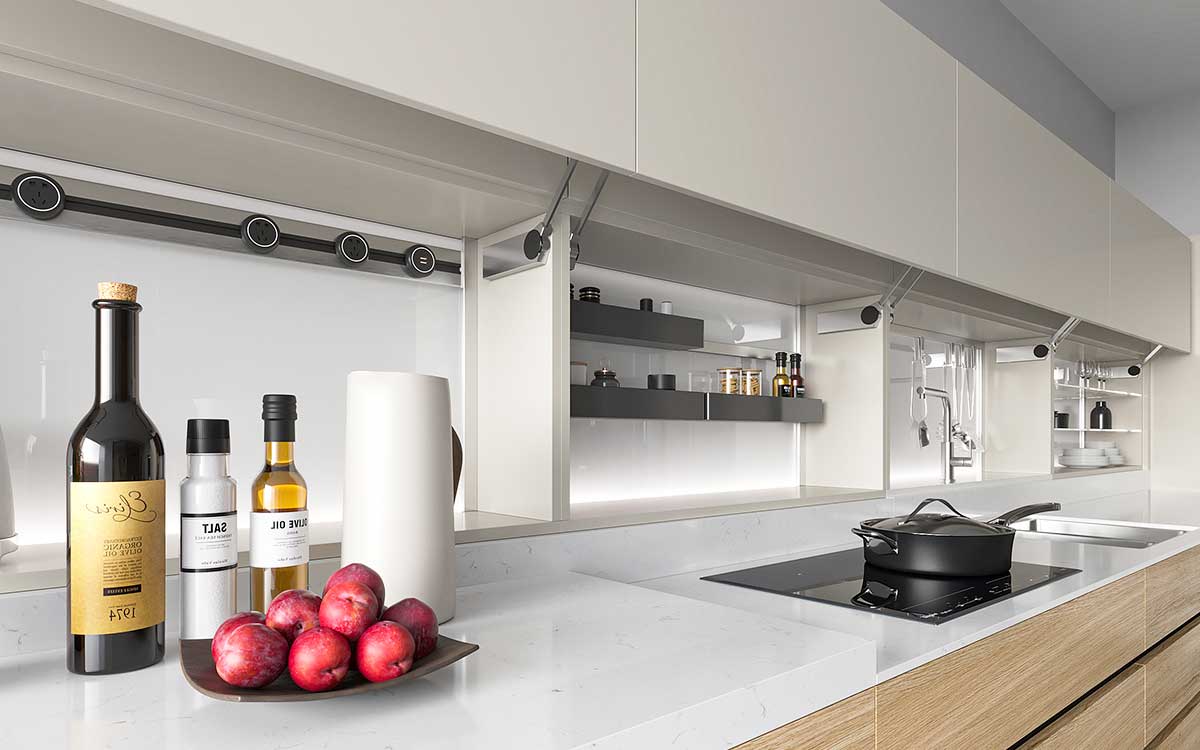
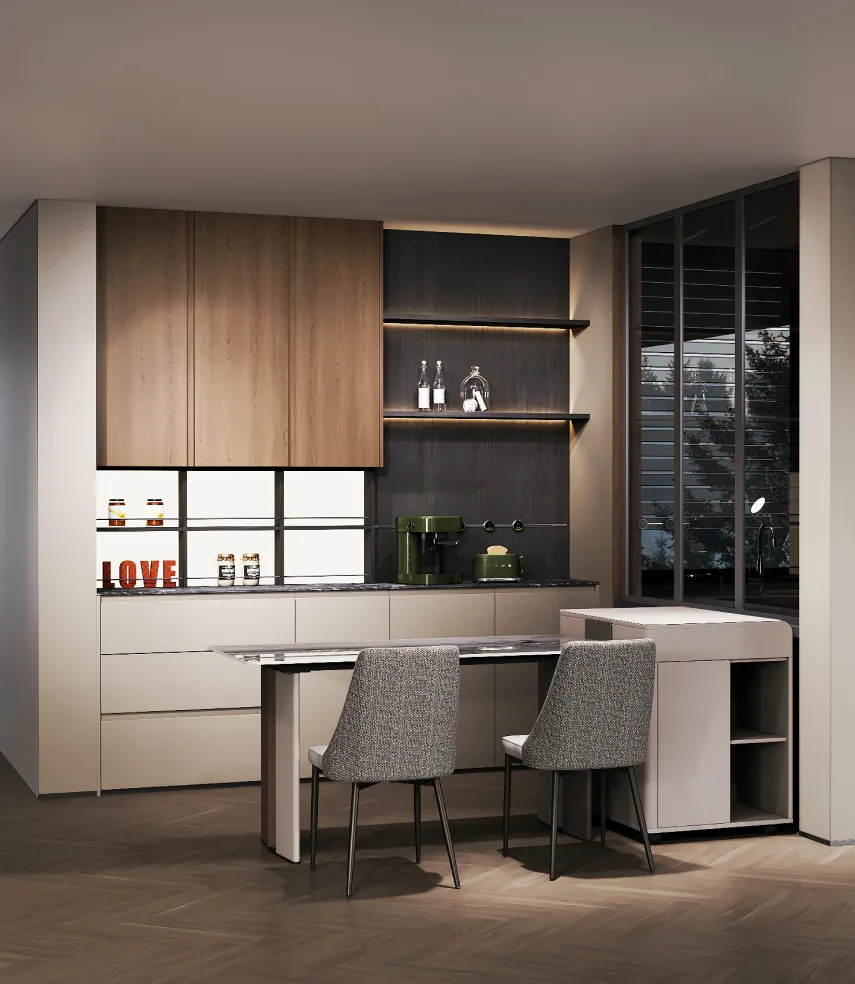
A frameless cabinet, also known as European-style cabinetry, does not have a face frame. Instead, the doors attach directly to a thicker cabinet box. This design maximizes interior storage and offers a cleaner, more modern look.
Key Features:
- No front frame, creating a flush, seamless appearance
- Hinges mounted directly to the cabinet box
- Maximized storage and accessibility
- Popular for modern and contemporary kitchens
Comparing Face Frame and Frameless Cabinets
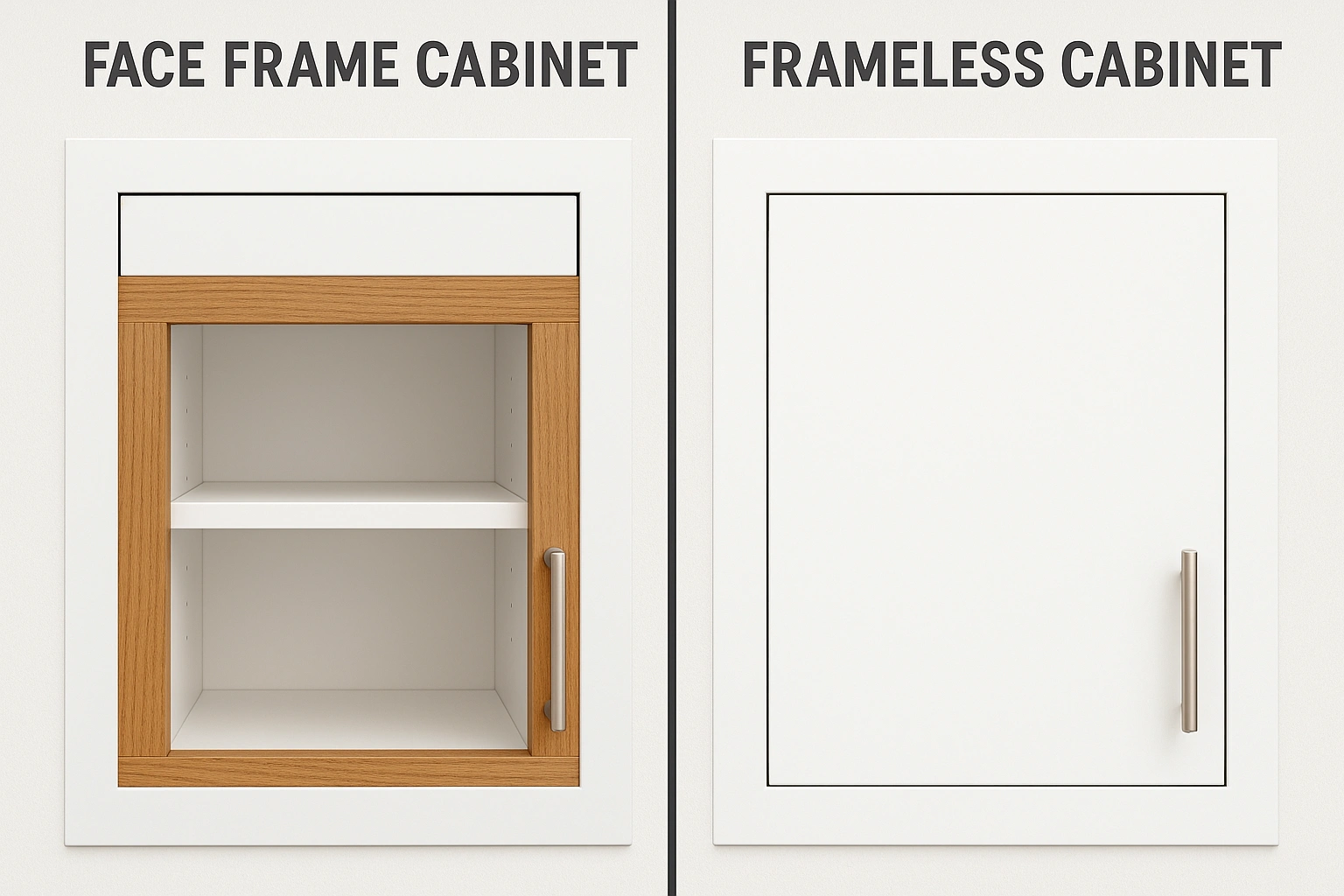
Interior designers and contractors usually evaluate cabinets based on structure, appearance, storage, installation time, and long-term use. Here’s how the two systems compare in those areas.
1. Structural Strength
Face Frame Cabinets:
The front frame adds rigidity. This matters in remodels where walls are slightly out of plumb or when you’re working around imperfect construction. The frame helps keep everything aligned, even if the box takes some stress during installation.
Frameless Cabinets:
Frameless cabinets rely on thicker box materials (often 18 mm or thicker). When built well, they’re strong, but they don’t have the extra support that a face frame provides. Installers need to be precise when hanging them, and the wall must be fairly even.
Bottom line:
If you’re working in an older home or dealing with uneven walls, face frame cabinets give you a little more forgiveness.
2. Door and Drawer Access
Face Frame Cabinets:
The frame narrows the opening. This isn’t a problem for many layouts, but it can affect large pots, wide trays, or interior organizers. Drawer boxes are often a bit narrower because they must clear the frame.
Frameless Cabinets:
The lack of a frame gives you full access. Drawers can be wider, and interior accessories fit more easily. For small or compact kitchens, this extra space can make a noticeable difference.
Bottom line:
If the design calls for maximum storage, frameless cabinets win.
3. Appearance and Design Flexibility
Face Frame Cabinets:
Face frame construction works well for designers who want a detailed style. Inset doors, bead details, and classic proportions all depend on having a frame. Clients who want a warm or traditional look tend to choose this option.
Frameless Cabinets:
This system supports clean lines and full overlay fronts. It’s ideal for modern, Scandinavian, and minimalist kitchens. The flat, continuous layout is part of the design appeal.
Bottom line:
Choose the look based on the client’s style direction. Each method supports different aesthetics.
4. Durability and Long-Term Use
Face Frame Cabinets:
The frame protects the box from bumps and wear. Doors stay aligned longer because hinges attach to solid wood. This can be an advantage in high-traffic homes or rental properties.
Frameless Cabinets:
Durability depends heavily on material quality. When built with thicker boards and proper hardware, frameless cabinets perform well. But without the frame, the edges of the box are more exposed.
Bottom line:
Face frame cabinets have a slight edge for long-term wear, but high-quality frameless cabinets hold up well too.
5. Installation Requirements
Face Frame Cabinets:
Installers appreciate the frame because it makes minor adjustments easier. You can hide small gaps, and the frame provides a stable anchor point.
Frameless Cabinets:
These require precision. Installers must keep all boxes aligned so the doors sit flush and level. It’s not difficult, but it demands more accuracy and attention.
Bottom line:
Both systems are manageable. Frameless installs need more planning; face frame installs offer more wiggle room.
6. Cost Considerations
Face Frame Cabinets:
Often slightly more expensive because of the additional wood and labor for the frame. But pricing varies by manufacturer and material grade.
Frameless Cabinets:
In many cases, frameless cabinets offer better value. The streamlined construction process can reduce costs without reducing quality.
Bottom line:
For budget-driven projects, frameless cabinets often provide better price-to-performance value.
When to Recommend Face Frame Cabinets
Interior designers and contractors choose face frame cabinets when the project calls for:
- A traditional or transitional style
- Added rigidity for older homes
- Inset doors or decorative details
- A durable option for heavy daily use
A face frame cabinet is a solid choice when the client values craftsmanship and expects a familiar, classic appearance.
When to Recommend Frameless Cabinets
Frameless cabinets work best when clients want:
- A clean, modern look
- More storage and full access to the interior
- Smooth lines with full overlay doors
- A cost-effective system that doesn’t look cheap
Designers also like frameless cabinets for tight spaces, small condos, and multi-unit projects where standardized sizing helps planning and installation.
Conclusion
Both face frame and frameless cabinets can deliver excellent results when selected for the right project. For traditional aesthetics, face frame cabinets offer unmatched charm and structural integrity. For modern, storage-efficient designs, frameless cabinets are the superior choice.
If you’re ready to elevate your kitchen remodel project with premium cabinetry solutions, OPPOLIA is here to help. Download our latest catalogue to explore our extensive range of products and designs. Whether you’re an interior designer seeking innovative solutions or a homeowner looking for inspiration, OPPOLIA has everything you need to create the perfect space.
Download the latest catalogue and contact us for a free quote!
FAQs about Face Frame Cabinets and Frameless Cabinets
Face frame cabinets are typically stronger due to the hardwood front frame.
Yes. Frameless cabinets provide full-access interiors, offering maximum usable space.
Face frame cabinets offer excellent structural stability thanks to the front hardwood frame, which helps prevent racking during installation and daily use. They also provide greater flexibility in door styles, such as inset or overlay, making them ideal for traditional, classic, or transitional kitchen designs. Many professionals choose face frame cabinetry for projects requiring durability, precise alignment, and long-term performance.
Yes. Many manufacturers, including several leading factories in China, offer eco-friendly face frame cabinets made with responsibly sourced hardwood, low-VOC finishes, and CARB-compliant plywood. These sustainable practices help designers and contractors meet environmental standards for residential or commercial developments.
When sourcing internationally, always check for certifications such as CARB Phase 2, FSC, or ISO environmental management credentials.
Frameless cabinets can be more affordable, but the cost varies based on materials and customization.
Yes, OPPOLIA provides a range of customizable cabinetry solutions for both styles.
China is one of the most reliable manufacturing hubs for sourcing high-quality face frame cabinets at competitive wholesale pricing. Many brands provide large-scale production capacity, customization, and strict quality control. OPPOLIA stands out as a top-rated China-based supplier offering premium face frame and frameless cabinetry, advanced automation, and whole-house product solutions—perfect for developers, contractors, and interior design firms seeking dependable project partners.