
As a homeowner, the kitchen is one of the most important aspects of your home. The kitchen is where you spend a significant amount of time preparing meals, entertaining guests, and simply enjoying the company of your family. It’s not just about functionality but also about creating a stylish space that reflects your style and taste. One way to balance function and style perfectly is by considering flat-pack kitchens. Flat-pack kitchens have become more popular as an affordable and customizable solution for homeowners looking to create their dream kitchens without breaking the bank.
Here, we will look into the world of flat-pack kitchens, including what they are, how they compare to traditional kitchens in terms of cost, the advantages, and the various design options available. We will also discuss planning and designing your ideal flat-pack kitchen, essential accessories to complete the space, and the assembly and installation process.

- What are flat-pack kitchen cabinets?
- Cost Comparison: Flat-pack kitchens vs. traditional kitchens
- Advantages of choosing a flat-pack kitchen
- Customizability and design options
- How to plan and design the flat pack kitchen
- Essential accessories to complete your kitchen
- Assembly and installation
- Conclusion
- FAQs About Flat Pack Kitchen
What are flat-pack kitchen cabinets?
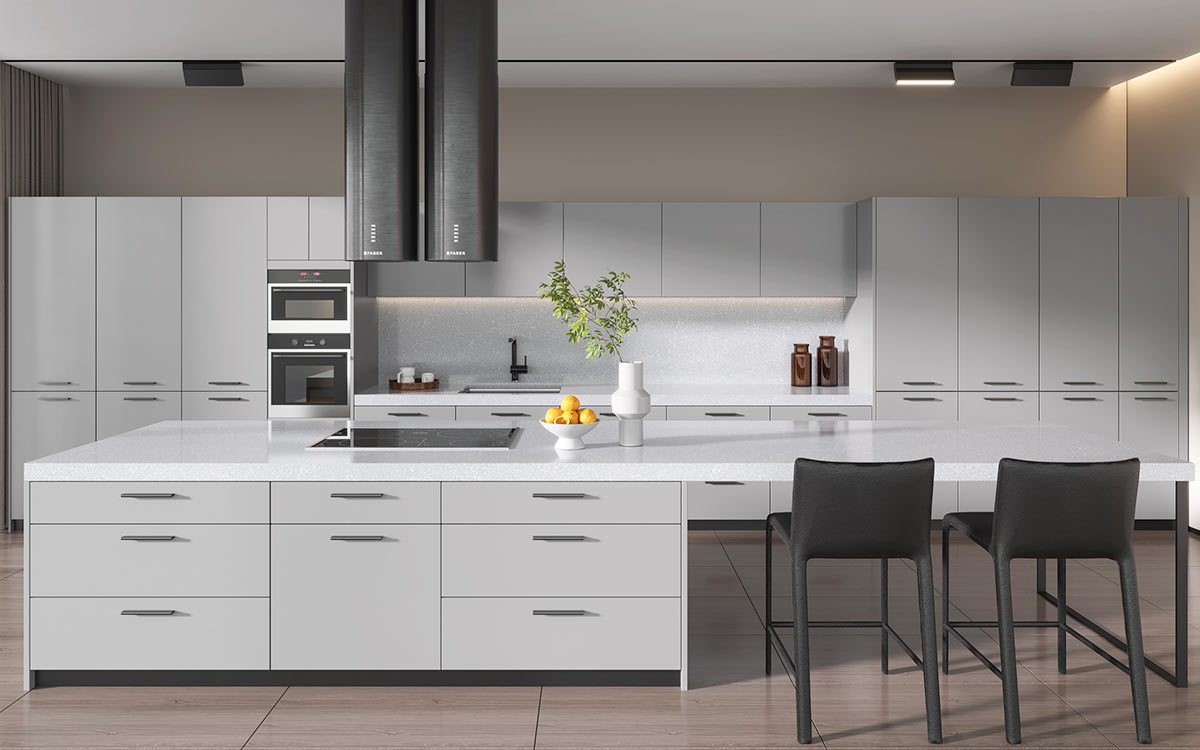
Flat-pack kitchens, known as “ready-to-assemble” or “knockdown” kitchens, utilize flat-pack kitchen cabinets. These cabinets come disassembled and are packed in flat boxes, which makes them easier to transport and more affordable than traditional, pre-assembled kitchen cabinets. The flat-pack kitchen cabinets are assembled and installed by the homeowner or a professional installer.
Flat-pack kitchen cabinets are typically made from various materials, including MDF (medium-density fiberboard), plywood, particleboard, and solid wood. The cabinets come with all the necessary hardware, such as hinges, handles, drawer runners, and detailed assembly instructions. Flat-pack kitchens are not limited to cabinets; you can also find flat-pack countertops, sinks, and other kitchen components to create a cohesive and customizable space.
Cost Comparison: Flat-pack kitchens vs. traditional kitchens
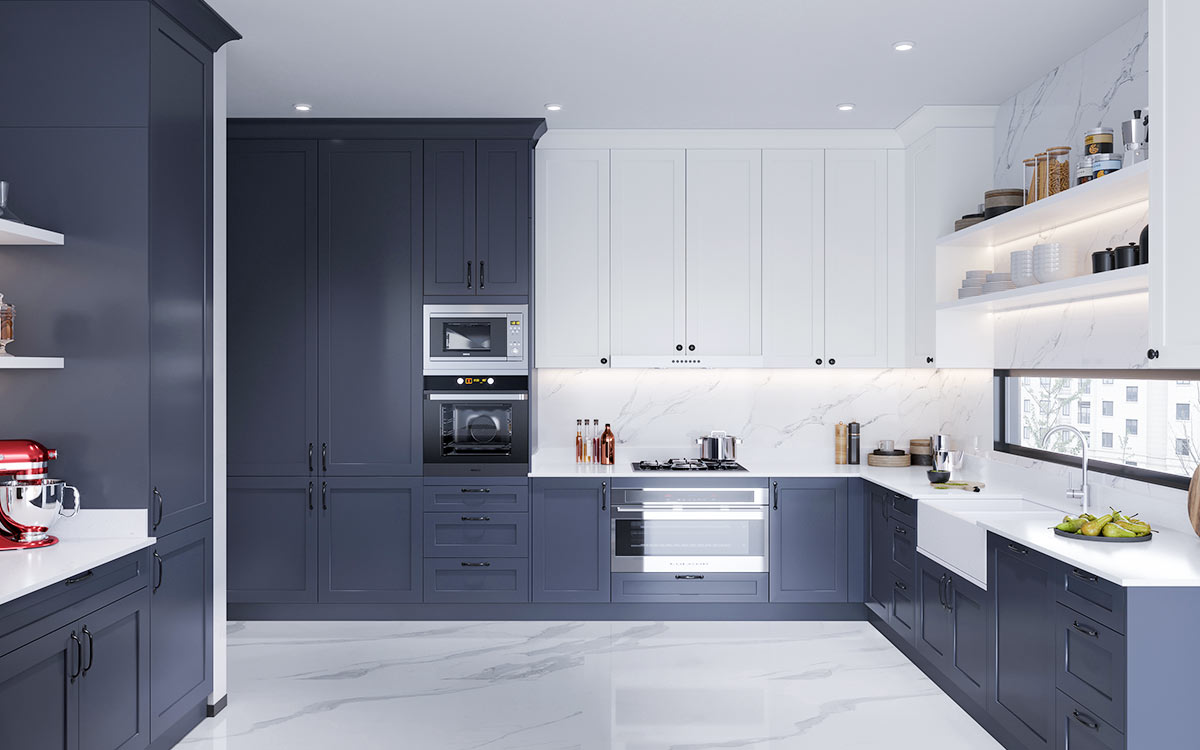
The expenses can quickly add up when it comes to the cost of a kitchen renovation. Traditional kitchen renovations can cost tens of thousands of dollars, which may be out of reach for many homeowners. However, flat-pack kitchens offer a more affordable alternative without compromising quality or style.
The main reason for the lower cost of flat-pack kitchens is that they come disassembled, which means you are not paying for the labor involved in assembling the cabinets. Additionally, the flat packaging allows for more efficient shipping and transportation, which can result in significant savings. Flat-pack kitchens can cost up to 50% less than traditional, custom-built kitchens.
It’s important to note that while the upfront cost of flat-pack kitchens is lower, additional costs may be involved in assembly and installation. However, flat-pack kitchens are still more budget-friendly even with these added expenses than their traditional counterparts.
Advantages of choosing a flat-pack kitchen
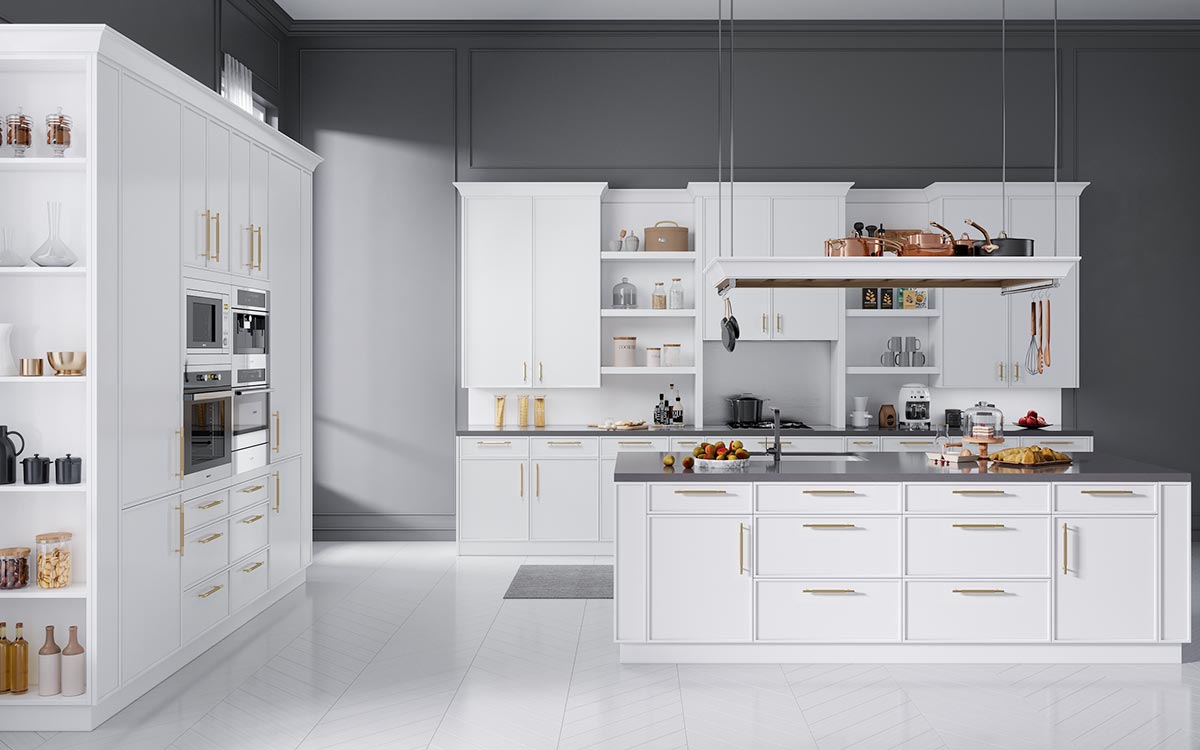
There are several advantages to choosing a flat-pack kitchen cabinets, including the following:
- Affordability: As mentioned earlier, flat-pack kitchens are generally more affordable than traditional kitchens due to the reduced labor and shipping costs. It can be a significant advantage for homeowners on a budget.
- Customizability: Flat-pack kitchens offer a wide range of design options, allowing you to create a kitchen that fits your style and preferences. With various cabinet styles, colors, materials, and hardware to choose from, you can design a unique kitchen that is truly unique and tailored to your needs.
- Flexibility: Flat-pack kitchens can be easily modified or expanded, making them a flexible option for homeowners who want to make future changes. If you decide to add more cabinets or change the layout of your kitchen, flat-pack components can be easily purchased and integrated into your existing design.
- Easy to transport: Flat-pack kitchens come disassembled and packed in flat boxes, so they are much easier to transport than fully assembled cabinets. It can be especially advantageous if you move or need to transport your kitchen components to a remote location.
- Environmental benefits: Flat-pack kitchens are often made from more sustainable materials, such as recycled or low-emission products. Additionally, the efficient packaging and transportation of flat-pack components can result in a smaller carbon footprint than traditional kitchen design methods.
Customizability and design options
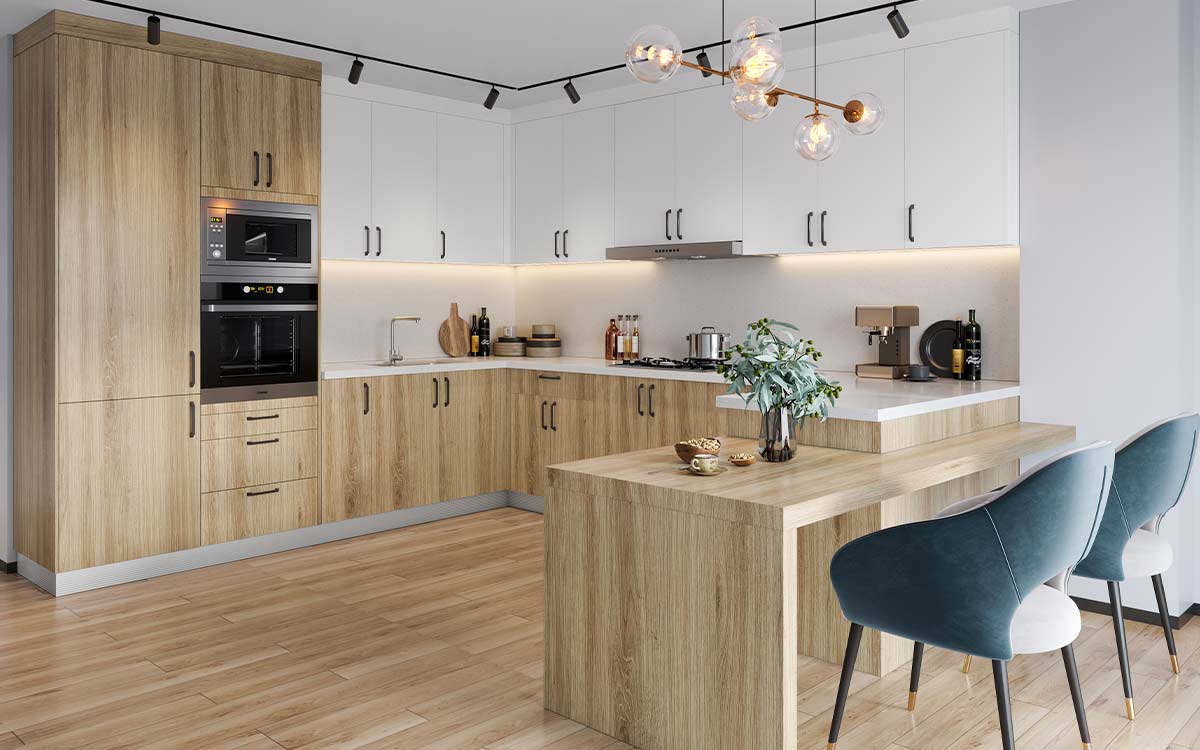
One of the main draws of flat-pack kitchens is the wide range of design options. With so many choices at your fingertips, you can create a truly unique kitchen tailored to your style and needs. Some of the main design elements to consider when planning your flat-pack kitchen include the following:
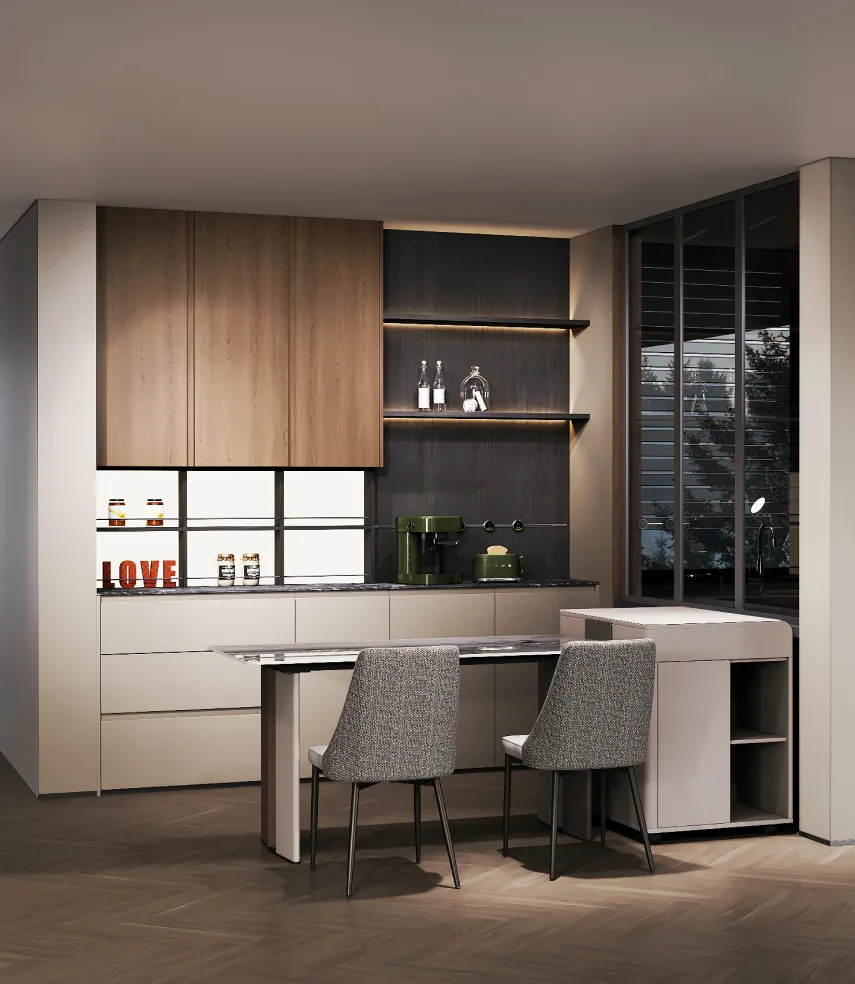
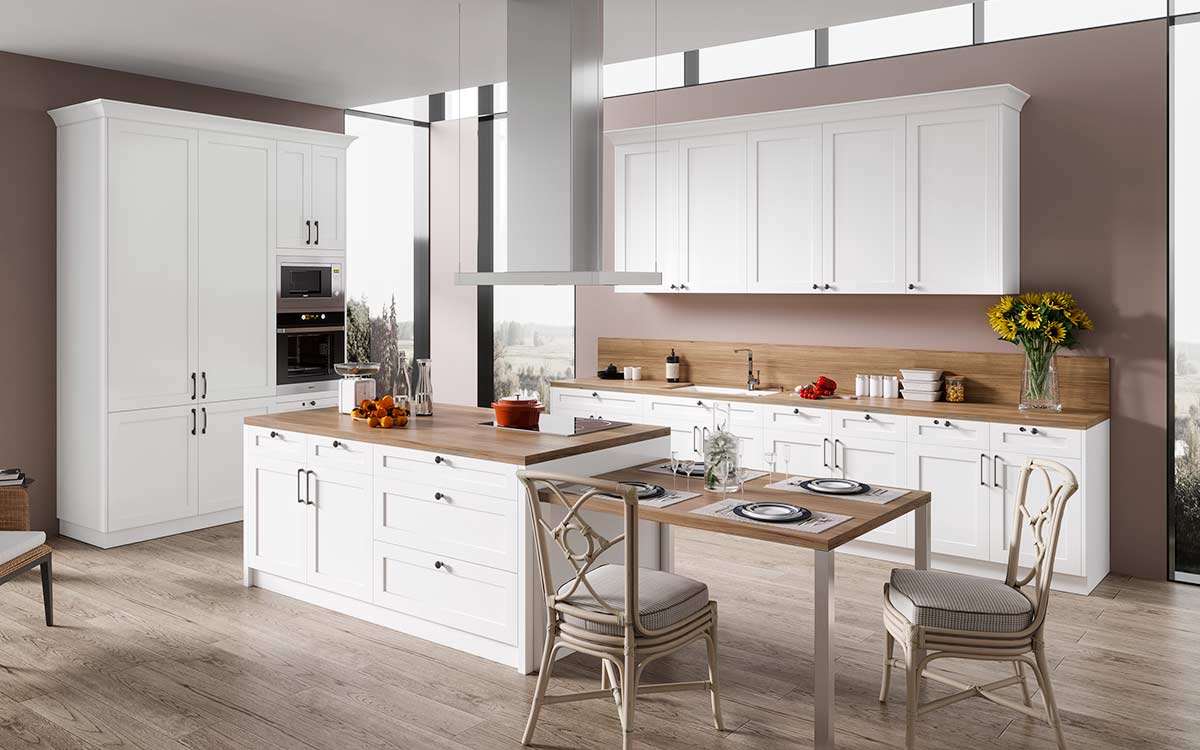
- Cabinet styles: Flat-pack kitchen cabinets come in various styles, ranging from modern and minimalist designs to more traditional, ornate options. Consider the overall aesthetic and feel you want to achieve in your kitchen when selecting your cabinet style.
- Colors and finishes: Flat-pack kitchens are available in many colors, effects, textures, and finishes, allowing you to create a unique, visually appealing, and stylish space. Choose from popular options like white, black, or gray, or opt for a bold pop of color to make a statement in your kitchen.
- Materials: Flat-pack kitchen cabinets are typically made from various materials, including MDF, plywood, particleboard, and solid wood. Consider each material’s durability, maintenance requirements, and overall appearance when deciding.
- Hardware: The hardware you choose for your flat-pack kitchens, such as hinges, handles, and drawer runners, can have a great influence on the overall look and feel of the space. Select the hardware that complements your cabinet style and color for a cohesive design.
- Countertops: Flat-pack kitchens offer various countertop options, including laminate, stone, and solid surface materials. Choose a countertop material that suits your budget, style preferences, and maintenance requirements.
How to plan and design the flat pack kitchen
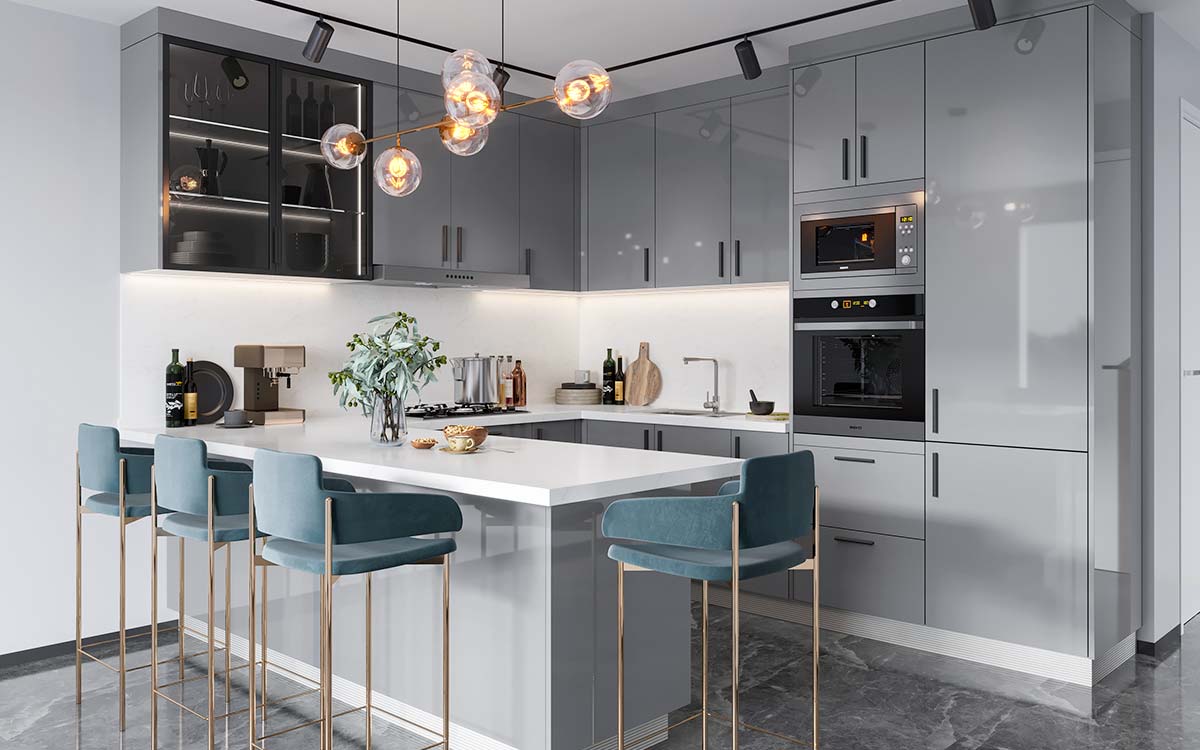
Designing your dream flat-pack kitchen involves several steps, including:
- Measure your space: Before selecting components for your flat-pack kitchen, measuring your space accurately is essential. It will ensure you choose the right-sized cabinets, countertops, and other components to fit your kitchen layout.
- Create a layout: Once you have your measurements, create a layout or floor plan of your kitchen. It will help you visualize the placement of your cabinets, appliances, and other kitchen components and ensure enough space for everything.
- Choose your design elements: With your layout in place, select the various design elements for your flat-pack kitchen, including cabinet styles, colors, materials, hardware, and countertops.
- Plan for storage and organization: Consider your storage and organization needs as you design your flat-pack kitchen. Ensure you include enough cabinets, drawers, and shelves to accommodate your kitchen essentials and keep your space neat.
- Consult with a professional if needed: If unsure about any aspect of your flat-pack kitchen design, consider consulting with a professional kitchen designer or specialist. They can provide valuable guidance and advice to ensure your kitchen is functional and visually appealing.
Essential accessories to complete your kitchen
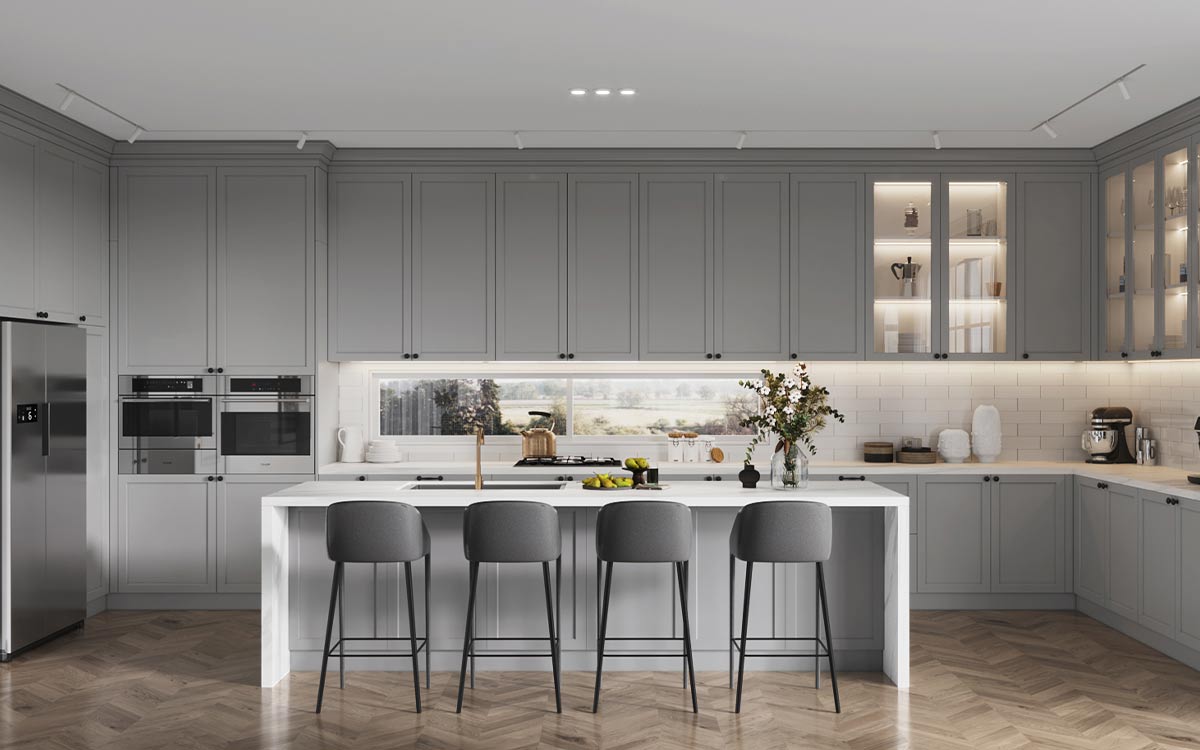
To complete your flat-pack kitchen and ensure that it is fully functional and user-friendly, consider incorporating the following essential accessories:
- Lighting: Good lighting is crucial in any kitchen, so include general and task lighting in your flat-pack kitchen design. Consider under-cabinet lighting for task areas and pendant lights or recessed lighting for general illumination.
- Appliances: Your flat-pack kitchen must accommodate essential appliances, such as a refrigerator, stove, dishwasher, and microwave. Choose appliances that fit well within your layout and complement your chosen design elements.
- Backsplash: A backsplash adds visual interest to your kitchen and protects your walls from splashes and spills. Choose a backsplash material that complements your countertops and cabinets for a cohesive look.
- Sink and faucet: A high-quality sink and faucet are essential kitchen components. When selecting a sink and faucet for your flat-pack kitchen, consider the size, material, and style best suits your needs and design preferences.
- Seating: Consider incorporating seating, such as a breakfast bar or a small dining area, if your kitchen layout allows it. It can create a more inviting and functional family meal and entertainment space.
Assembly and installation
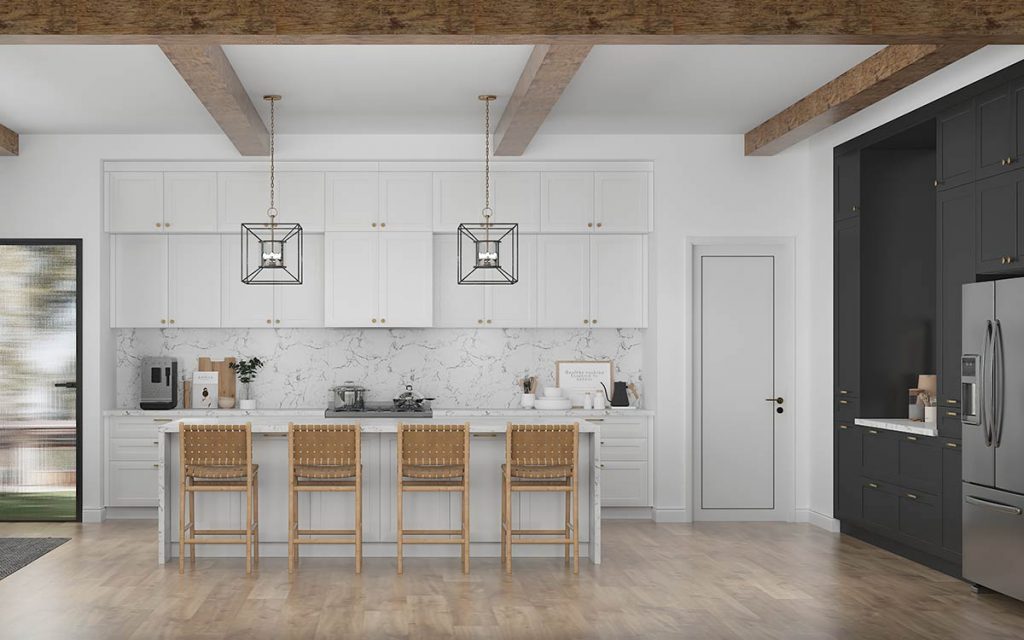
Once you have designed your dream flat-pack kitchen and purchased all the necessary components, it’s time for assembly and installation. While many homeowners choose to tackle this process themselves, it’s important to note that flat-pack kitchen assembly and installation can be complex and time-consuming, especially for those without prior experience.
If you cannot assemble and install your flat-pack kitchen correctly, consider hiring a professional installer to handle the job. Professional installers have the necessary tools, expertise, and experience to ensure that your flat-pack kitchen is assembled and installed correctly and can often complete the job more quickly and efficiently than a DIY enthusiast.
Conclusion
Flat-pack kitchens offer an affordable, customizable, and flexible solution for homeowners looking to create their dream kitchens. With a wide range of design options, materials, and finishes, it’s easier than ever to design a kitchen that reflects your style and meets your functional needs.
As the popularity of flat-pack kitchens continues to grow, more innovative design options, sustainable materials, and advanced assembly techniques will be brought out. It will only make flat-pack kitchens an even more attractive choice for homeowners looking to create a beautiful, functional, and budget-friendly kitchen space.
Ready to start designing your dream flat-pack kitchen? Explore the latest OPPOLIA catalogue, get more information!
FAQs About Flat Pack Kitchen
A flat pack kitchen is a modular kitchen system delivered in compact, ready-to-assemble packaging. Homeowners can install it themselves or hire a professional, making it a flexible and cost-effective solution. Flat pack kitchens continue to grow in popularity because they offer premium style, faster delivery times, and significant savings compared to fully customized builds.
Flat pack kitchen trends emphasize minimalist styles, matte finishes, slim shaker doors, and eco-friendly materials. Homeowners are also choosing integrated handles, multi-functional storage, and full-height cabinetry for a clean, modern look. Oppolia leads these trends by offering flat pack solutions that combine European-inspired styling with precision manufacturing, allowing customers to achieve a luxury feel at a budget-friendly price.
Yes — when made by a reputable manufacturer, flat pack kitchens can be just as durable as custom-built cabinetry. Oppolia uses high-density particleboard, moisture-resistant panels, premium hardware, and advanced edge-banding technology to ensure long-term stability and resistance to daily wear.
Absolutely. Oppolia’s flat pack kitchens are designed for high flexibility, allowing homeowners to choose cabinet styles, finishes, countertop materials, hardware types, and layout configurations. Whether you prefer an L-shaped, U-shaped, or galley kitchen, Oppolia provides mix-and-match modules that can be adapted to different room sizes while maintaining a premium aesthetic.
Oppolia stands out because it combines factory-level precision, modern European design, and global accessibility. With over 2,700 showrooms worldwide, Oppolia makes it easy for customers to explore real product models, consult designers, and select the perfect products. Their flat pack kitchens offer a balance of affordability, durability, and design versatility—features that many homeowners and contractors prioritize when choosing a reliable kitchen manufacturer.