
Quick Overview: PVC vs WPC? For most residential projects, WPC is the better long-term choice for premium performance and durability, while PVC remains a cost-effective solution for budget-conscious applications.
As residential construction continues to evolve, contractors and builders face increasing pressure to balance cost, durability, aesthetics, and project timelines. One of the most common material selection questions involves PVC vs. WPC door systems. Both materials offer advantages over traditional wood doors, but their suitability varies depending on the application.
Understanding the differences between PVC (Polyvinyl Chloride) and WPC (Wood Plastic Composite) can help construction professionals make informed decisions for residential developments, apartments, villas, and renovation projects.
This guide examines the key differences between PVC and WPC doors, their ideal applications, and how to select the best option for modern residential projects.
- What Are PVC and WPC Doors?
- PVC vs WPC: Key Material Differences
- Why WPC Doors Are Becoming the Preferred Choice
- Best Applications for PVC Doors in Residential Projects
- Best Applications for WPC Doors in Residential Projects
- PVC vs WPC for Bathroom Doors
- Maintenance Comparison
- Cost Comparison: PVC vs WPC
- Are WPC Doors Suitable for Commercial Projects?
- How to Choose Between PVC and WPC
- Conclusion
- FAQs about PVC and WPC Doors
What Are PVC and WPC Doors?
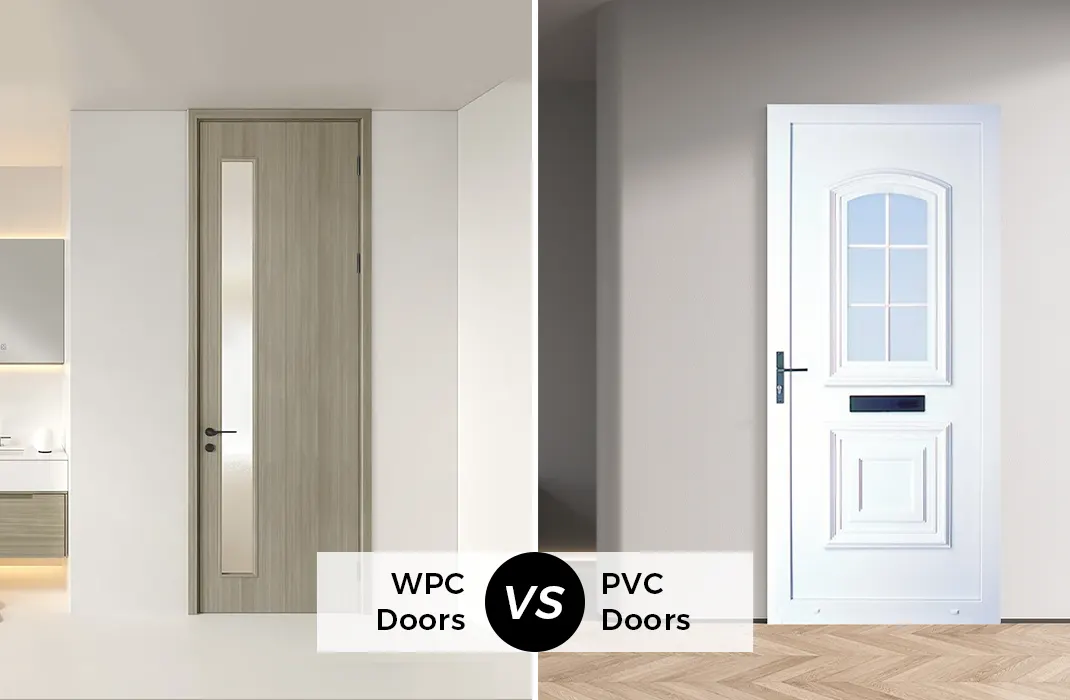
PVC (Polyvinyl Chloride) doors are manufactured primarily from synthetic plastic materials. They are lightweight, affordable, and resistant to moisture, making them popular in budget housing projects.
WPC (Wood Plastic Composite) doors combine wood fibers and thermoplastics to create a stronger, more durable composite material. The result is a door that delivers many of the aesthetic benefits of wood while eliminating common issues such as warping, rotting, and termite damage.
Both materials are commonly used for interior doors, but their performance characteristics differ significantly depending on the project requirements.
PVC vs WPC: Key Material Differences
Composition
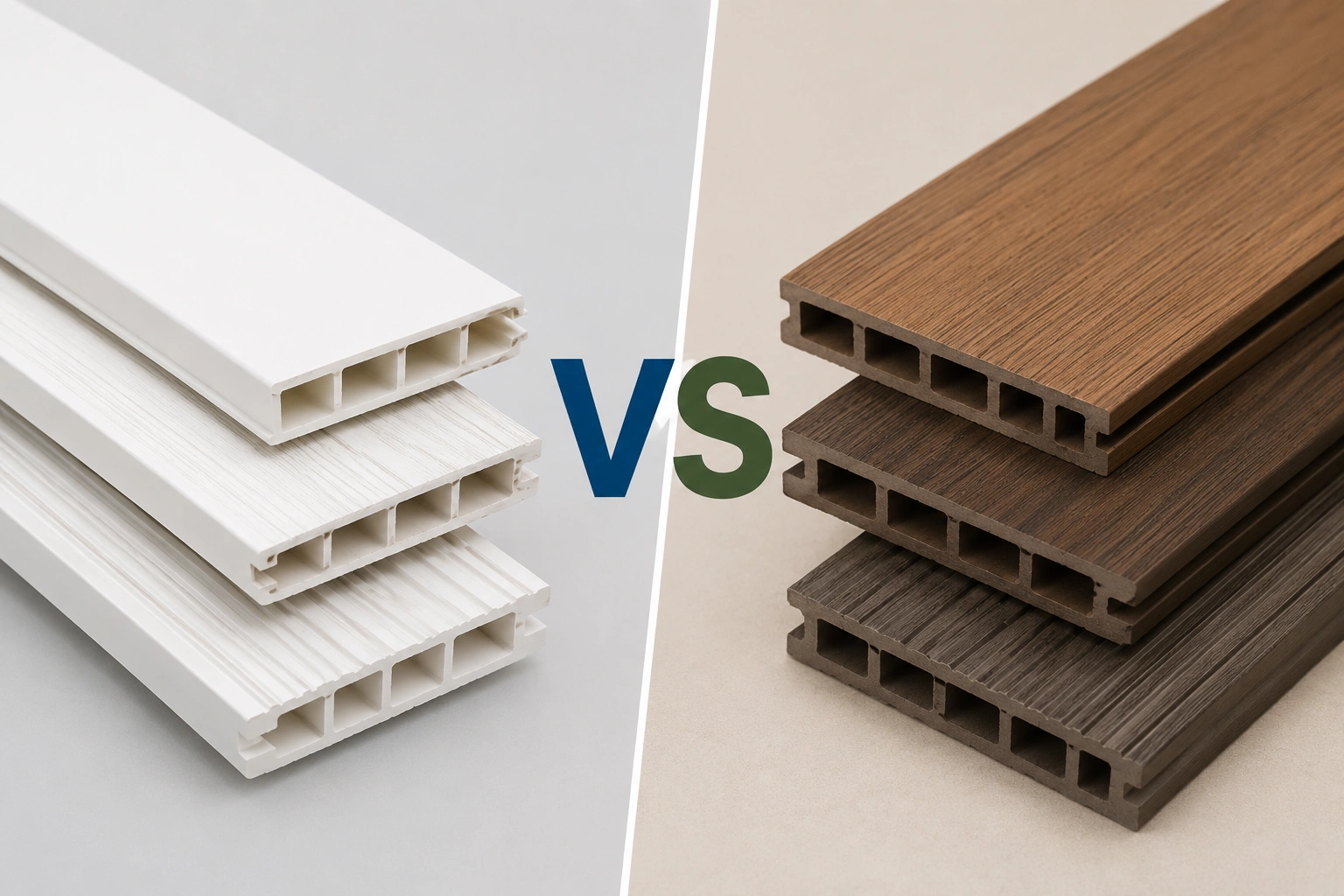
- PVC doors are made entirely from plastic-based materials.
- WPC doors combine wood powder, polymers, and additives to create a composite structure.
Strength
- PVC doors are lightweight and suitable for low-traffic areas.
- WPC doors offer higher structural stability and better impact resistance.
Appearance
- WPC doors can closely replicate natural wood textures and high-end decorative finishes.
Longevity
- PVC doors perform adequately in standard residential environments.
- WPC doors generally provide a longer service life with less deformation over time.
Installation
- PVC doors are easy to handle due to their lighter weight.
- WPC doors may require slightly more handling but offer better overall performance after installation.
Why WPC Doors Are Becoming the Preferred Choice
Superior moisture resistance
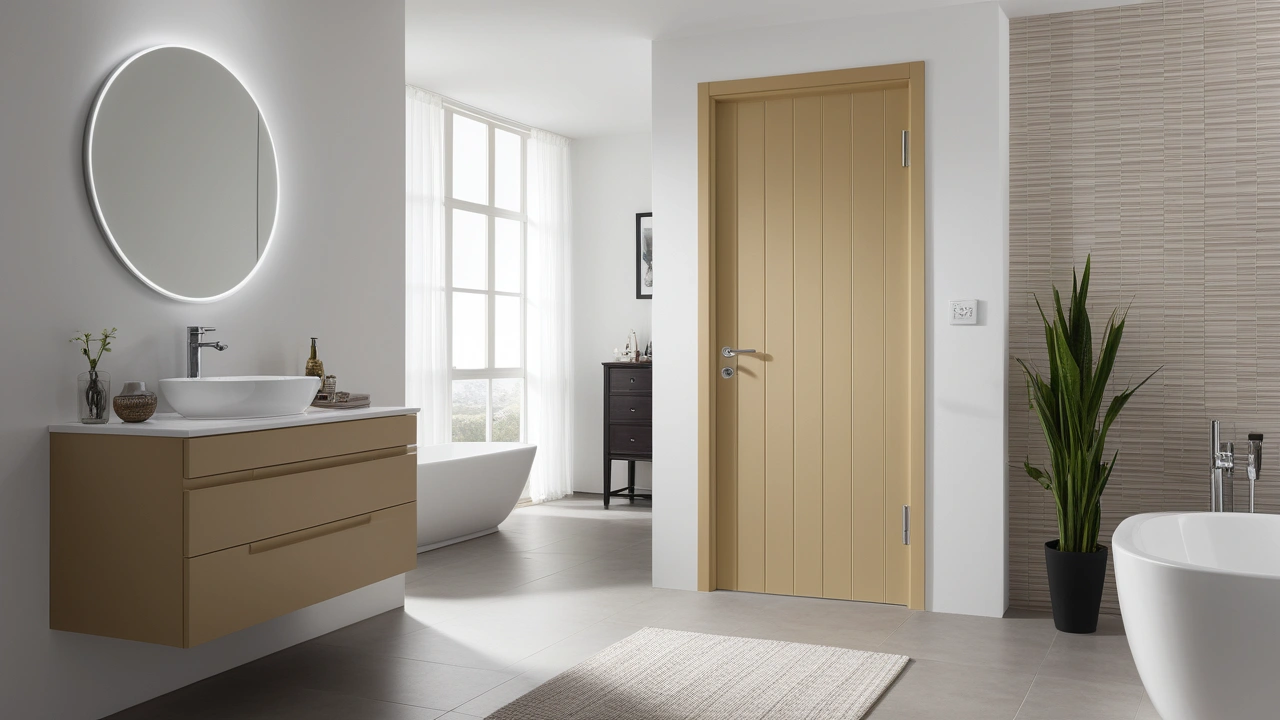
- WPC doors perform exceptionally well in humid environments.
- Unlike traditional wood, they do not absorb water or swell.
Termite-proof construction
- Residential builders often face concerns regarding pest damage.
- WPC doors are highly resistant to termites and other wood-destroying insects.
Excellent dimensional stability
- WPC doors resist warping, twisting, and cracking even in fluctuating temperatures.
Higher load-bearing capacity
- Their stronger core construction makes them suitable for long-term residential use.
Premium appearance
- Homeowners increasingly demand modern aesthetics.
- WPC doors provide wood-like finishes without the maintenance challenges of natural timber.
Because of these advantages, many developers now specify WPC doors for mid-range and premium residential projects.
Best Applications for PVC Doors in Residential Projects
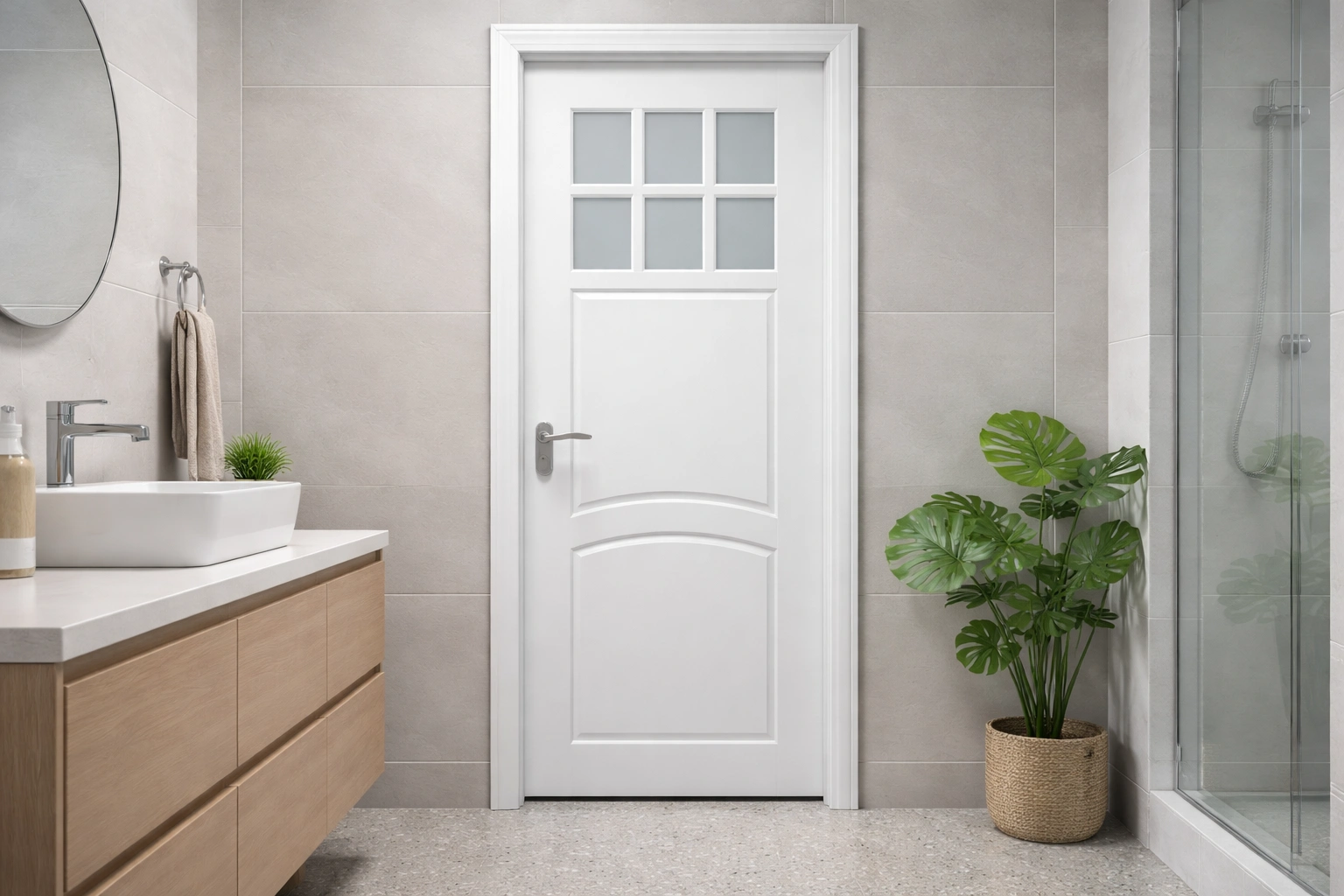
While WPC offers numerous advantages, PVC doors still have practical uses in certain applications.
Budget housing developments
- PVC doors help reduce initial construction costs.
- Suitable for large-scale affordable housing projects.
Utility rooms
Temporary housing projects
- Short-term occupancy developments may benefit from the lower upfront cost of PVC.
Low-traffic interior spaces
- Areas with minimal daily use can perform adequately with PVC doors.
Projects with strict budget constraints
- PVC doors remain an economical option when lifecycle performance is not the primary consideration.
Best Applications for WPC Doors in Residential Projects
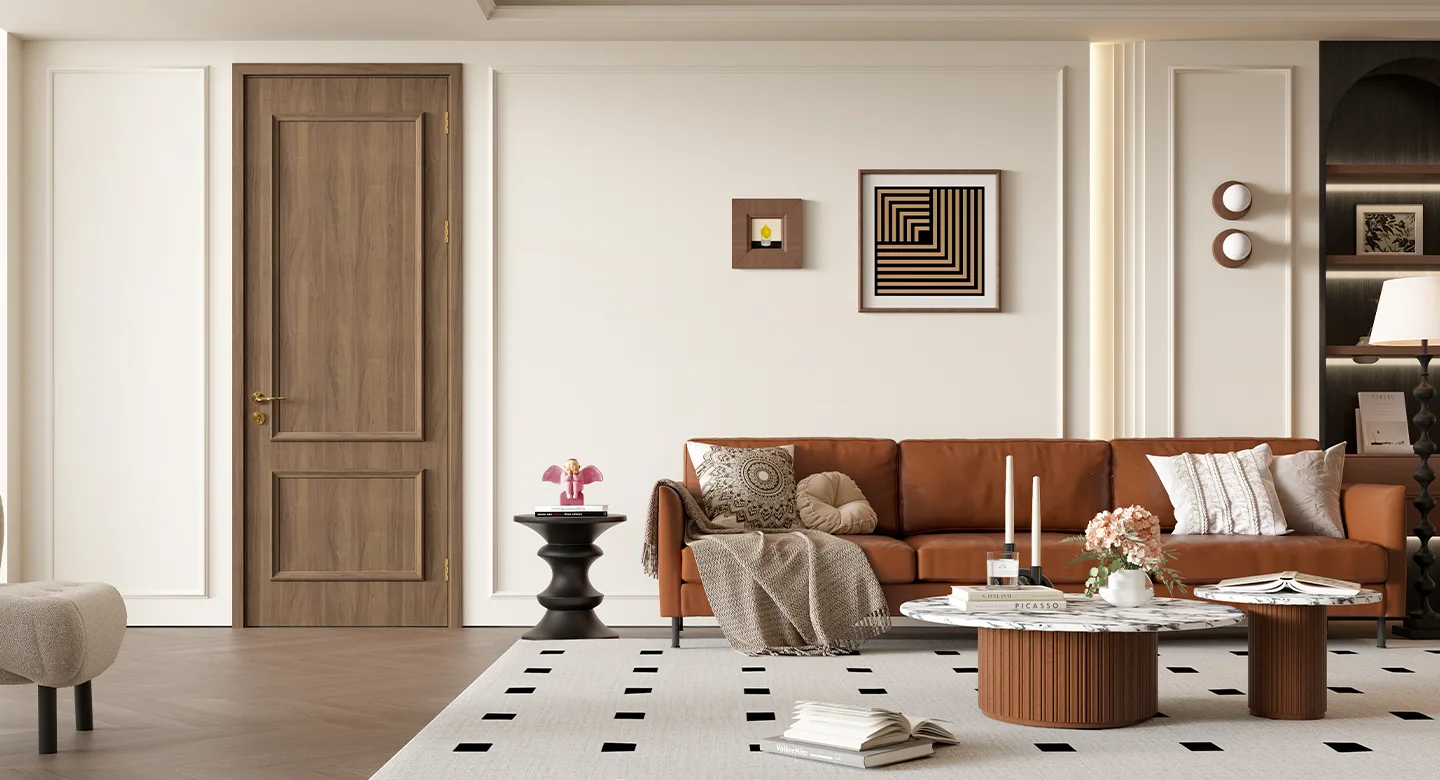
WPC doors have become increasingly popular because they offer durability, aesthetics, and low maintenance.
Master bedrooms
Living areas
- Modern designs and decorative finishes complement contemporary residential interiors.
Luxury apartments
- Developers often specify WPC doors to enhance perceived project value.
Villas and custom homes
High-traffic areas
- Their strength and impact resistance help maintain long-term performance.
Renovation projects
- WPC provides an excellent upgrade from aging timber doors without the maintenance burden.
PVC vs WPC for Bathroom Doors
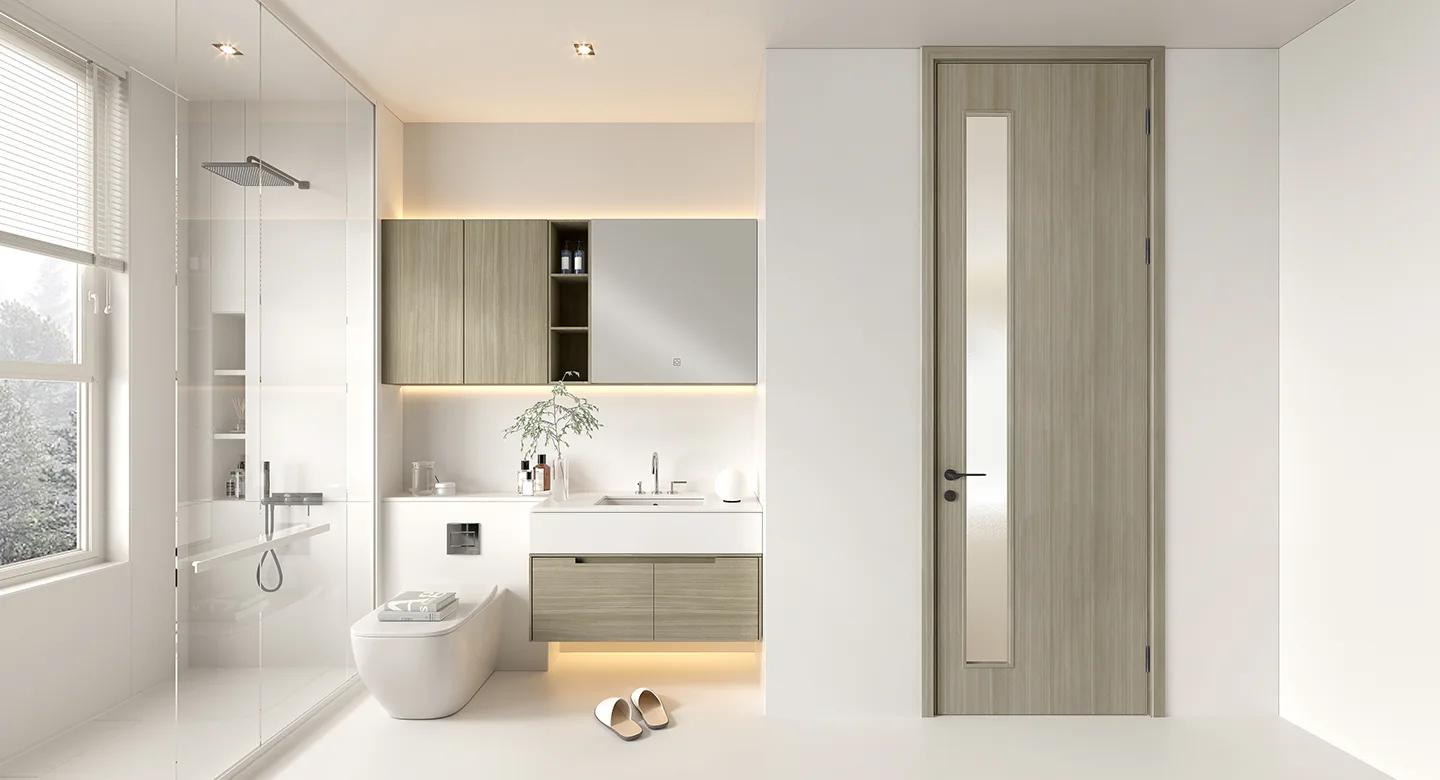
One of the most common questions among contractors concerns moisture-prone environments.
PVC doors
- Offer reasonable water resistance.
- Suitable for basic residential bathrooms.
WPC doors
- Deliver superior moisture resistance.
- Maintain structural integrity even under prolonged humidity exposure.
- Less likely to deform over time.
For projects prioritizing durability and long-term performance, bathroom doors made from WPC are generally the preferred specification.
Maintenance Comparison
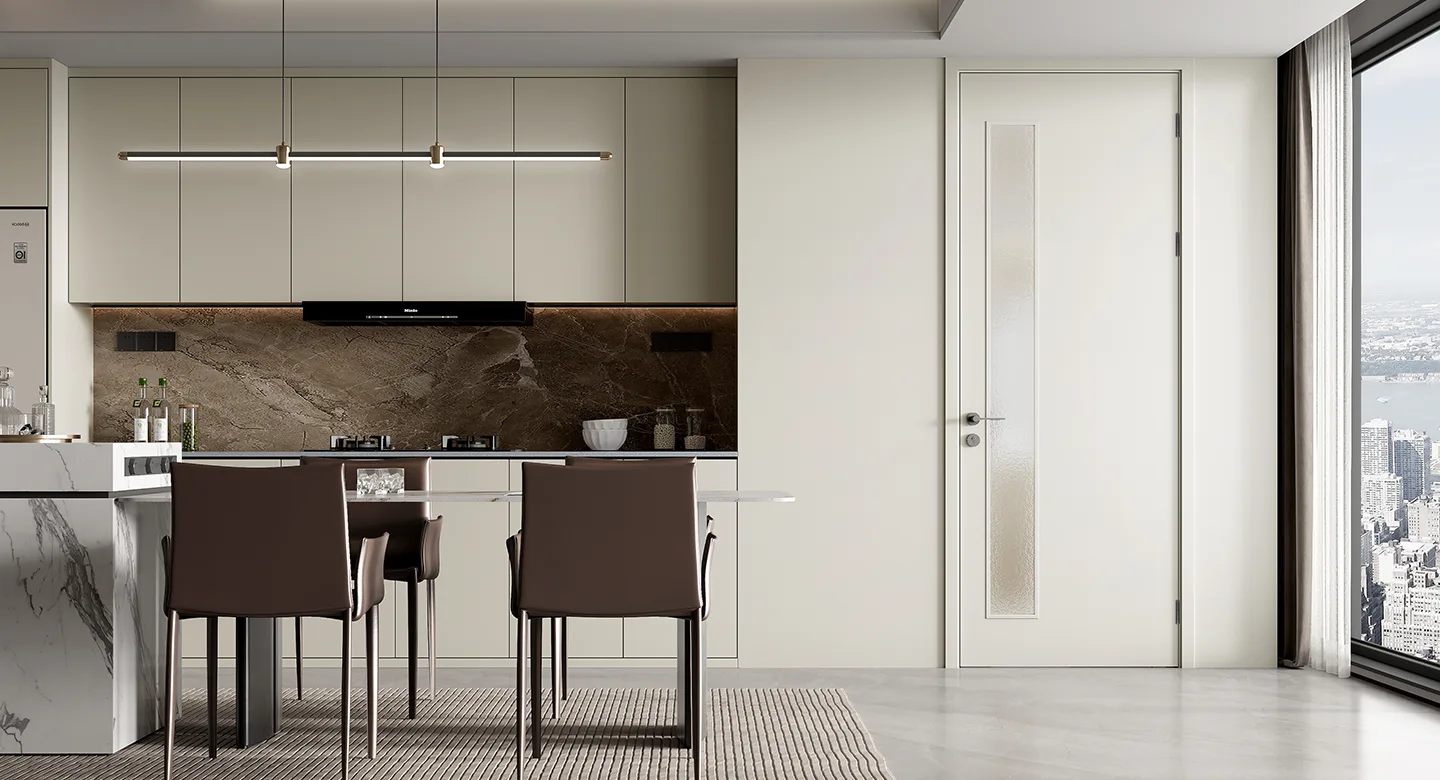
PVC Doors
- Easy to clean.
- Require minimal maintenance.
- Can become brittle after extended exposure to environmental stress.
WPC Doors
- Simple cleaning requirements.
- Better long-term structural performance.
- Maintain appearance for many years without extensive upkeep.
From a lifecycle perspective, WPC often delivers greater value despite a higher initial investment.
Cost Comparison: PVC vs WPC
PVC doors
- Lower purchase price.
- Reduced initial project expenditure.
WPC doors
- Higher upfront cost.
- Lower replacement frequency.
- Better return on investment over the building lifecycle.
For developers focused on long-term asset performance, WPC often proves more economical when maintenance and replacement costs are considered.
Are WPC Doors Suitable for Commercial Projects?
Although this article focuses on residential construction, many contractors also evaluate materials for mixed-use developments.
- WPC doors offer sufficient durability for various light-commercial environments.
- They are commonly specified for offices, hospitality projects, and certain commercial door applications.
- Their moisture resistance makes them particularly attractive in environments where traditional wood may fail prematurely.
However, project-specific fire ratings, acoustic requirements, and local building codes should always be reviewed before specification.
How to Choose Between PVC and WPC
Choose PVC when:
- Budget is the primary concern.
- The application involves low-traffic interior spaces.
- Short-term performance is acceptable.
Choose WPC when:
- Long-term durability is important.
- Moisture resistance is critical.
- Homeowners expect higher-quality finishes.
- Reduced maintenance costs are a priority.
For most modern residential developments, WPC doors deliver the strongest balance of performance, appearance, and long-term value.
Conclusion
Selecting the right door material is only part of a successful project. Equally important is working with an experienced manufacturer capable of delivering consistent quality, customization, and project support.
Whether you’re expanding a partners network, sourcing products for large-scale residential developments, or furnishing mixed-use projects, OPPOLIA offers complete support from design and manufacturing through project delivery. With extensive experience serving contractors, builders, developers, and furnishing professionals worldwide, the company provides customized cabinetry, wardrobes, doors, and whole-house furnishing solutions tailored to diverse project requirements.
If you’re evaluating high-performance door solutions for upcoming projects, explore OPPOLIA’s WPC door collections and request a customized bulk quotation to identify the best fit for your residential or commercial development needs.
FAQs about PVC and WPC Doors
WPC doors are generally better for long-term residential applications because they offer greater strength, durability, moisture resistance, and premium aesthetics. PVC doors remain a practical choice for budget-focused projects.
WPC doors are highly water-resistant and perform exceptionally well in humid environments, making them ideal for bathrooms, kitchens, and other moisture-prone areas.
Yes. WPC doors are increasingly used as a replacement for wooden doors because they resist termites, warping, cracking, and moisture-related damage while maintaining a wood-like appearance.
Yes. PVC doors are commonly used in bathrooms due to their water resistance. However, WPC doors typically offer superior long-term durability in humid conditions.
Yes. WPC doors generally have a higher upfront cost than PVC doors, but their longer lifespan and reduced maintenance requirements often provide better long-term value.