
Quick Overview: This article explains the composition, benefits, applications, and buying considerations of WPC door panels. It compares WPC doors with traditional wooden doors and highlights why they are increasingly chosen for bathrooms, kitchens, interior rooms, and other moisture-prone areas. The guide also covers important purchasing factors such as panel thickness, surface finish, brand reliability, warranty coverage, and long-term value.
In the ever-evolving world of interior design and construction, WPC door panels are gaining popularity for their superior durability, environmental benefits, and modern aesthetics. Whether you’re an interior designer looking for sleek and sustainable materials or a contractor seeking long-lasting, cost-effective solutions, understanding the essentials of WPC door panels is critical.
In this comprehensive guide, we’ll explore what WPC door panels are, their key benefits and applications, and why they are quickly becoming a top choice in the industry.

What Is a WPC Door Panel?
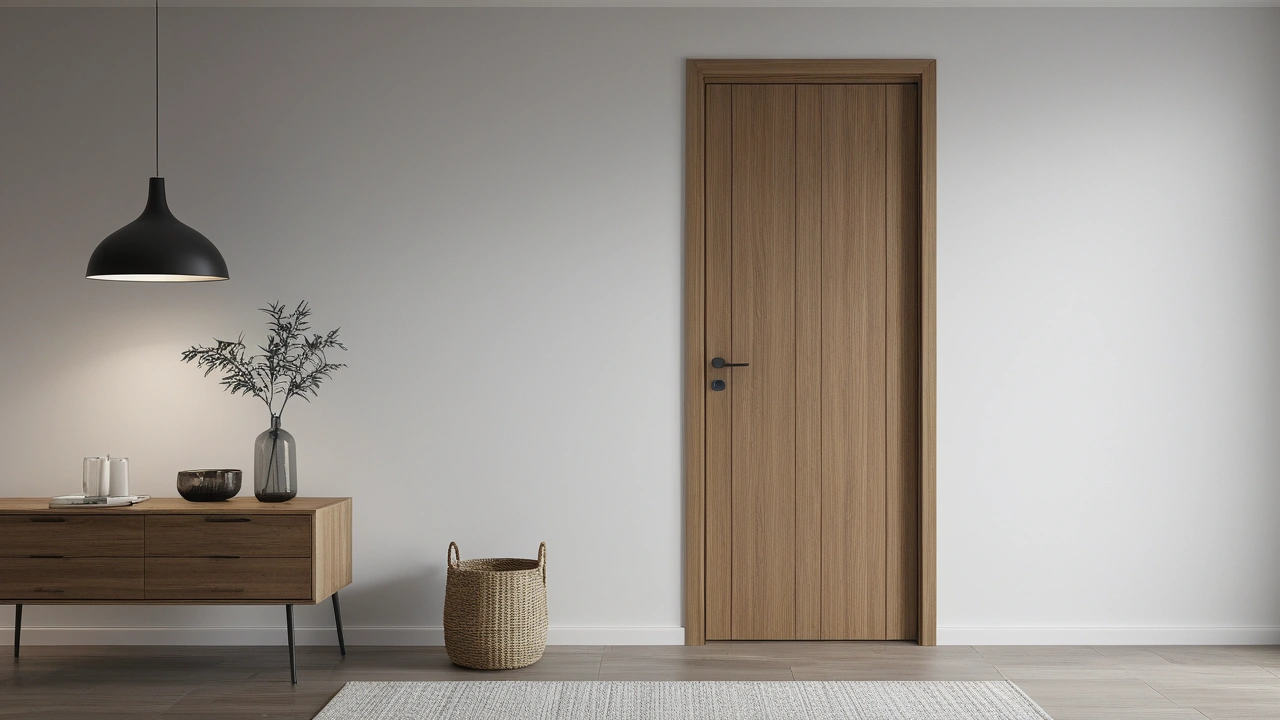
WPC stands for Wood Plastic Composite, a hybrid material made by blending wood fibers or sawdust with thermoplastics such as PVC, PE, or PP. The result is a high-performance panel that mimics the appearance of wood while offering superior resistance to moisture, rot, and termites.
A WPC door panel typically consists of a rigid core structure, offering exceptional dimensional stability and strength. It is widely used for interior doors, especially in areas prone to moisture, such as kitchens, bathrooms, and utility spaces.
Benefits of Using WPC Door Panels
WPC door panels are a popular choice for both residential and commercial projects thanks to the range of advantages they offer. Here are some key benefits:
1. Durability
WPC door panels are highly durable and resistant to wear and tear, making them ideal for use in a variety of settings. Unlike traditional wooden doors, these doors will not warp, crack or splinter over time. This makes them a great long-term investment for areas that get a lot of foot traffic.
2. Waterproof and Moisture-Resistant
WPC door panels are notable for their ability to resist water and moisture. This makes them ideal for use in humid areas such as bathrooms and kitchens.
3. Termite-Resistant
Unlike wooden doors, WPC door panels are impervious to termite infestations. This ensures that your doors remain structurally sound and visually appealing for years.
4. Eco-Friendly
WPC is an environmentally friendly material as it uses recycled wood fibers and plastics. Choosing WPC door panels helps reduce deforestation and minimizes waste.
5. Low Maintenance
WPC door panels require minimal upkeep. They do not need regular polishing or painting and can be easily cleaned with a damp cloth.
6. Customizable Design Options
Available in a wide range of colors, textures, and finishes, WPC door panels can be customized to suit any design aesthetic. Whatever your preference, whether it’s a natural wood look or a modern matte finish, there’s a WPC panel to match.
7. Fire-Resistant
WPC door panels are engineered to be fire-resistant, adding an extra layer of safety to your space.
8. Cost-Effective
Although WPC door panels may have a slightly higher initial cost than traditional materials, their low maintenance requirements and long lifespan make them a cost-effective choice in the long term.
Applications of WPC Door Panels
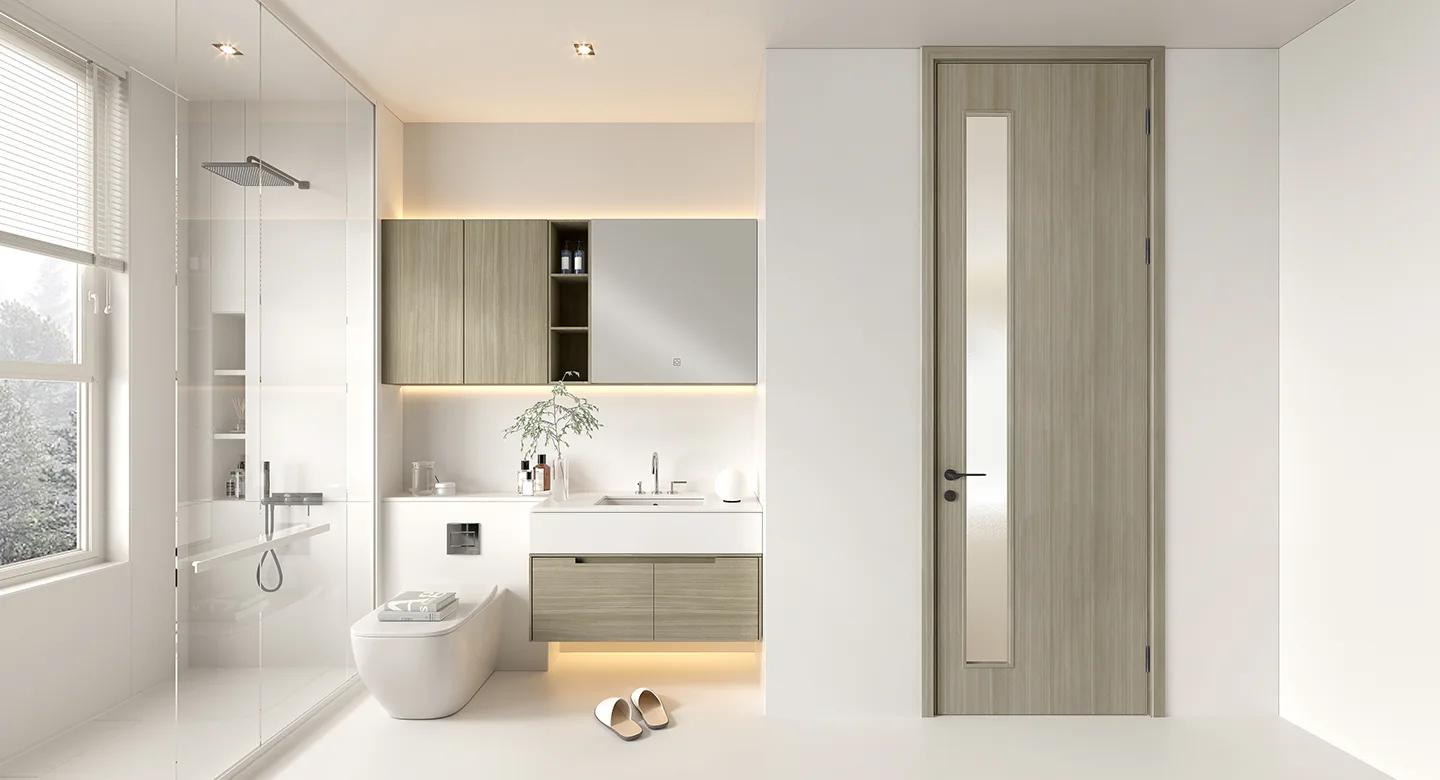
Thanks to their versatility and durability, WPC doors can be used in a variety of applications. Some common uses include:
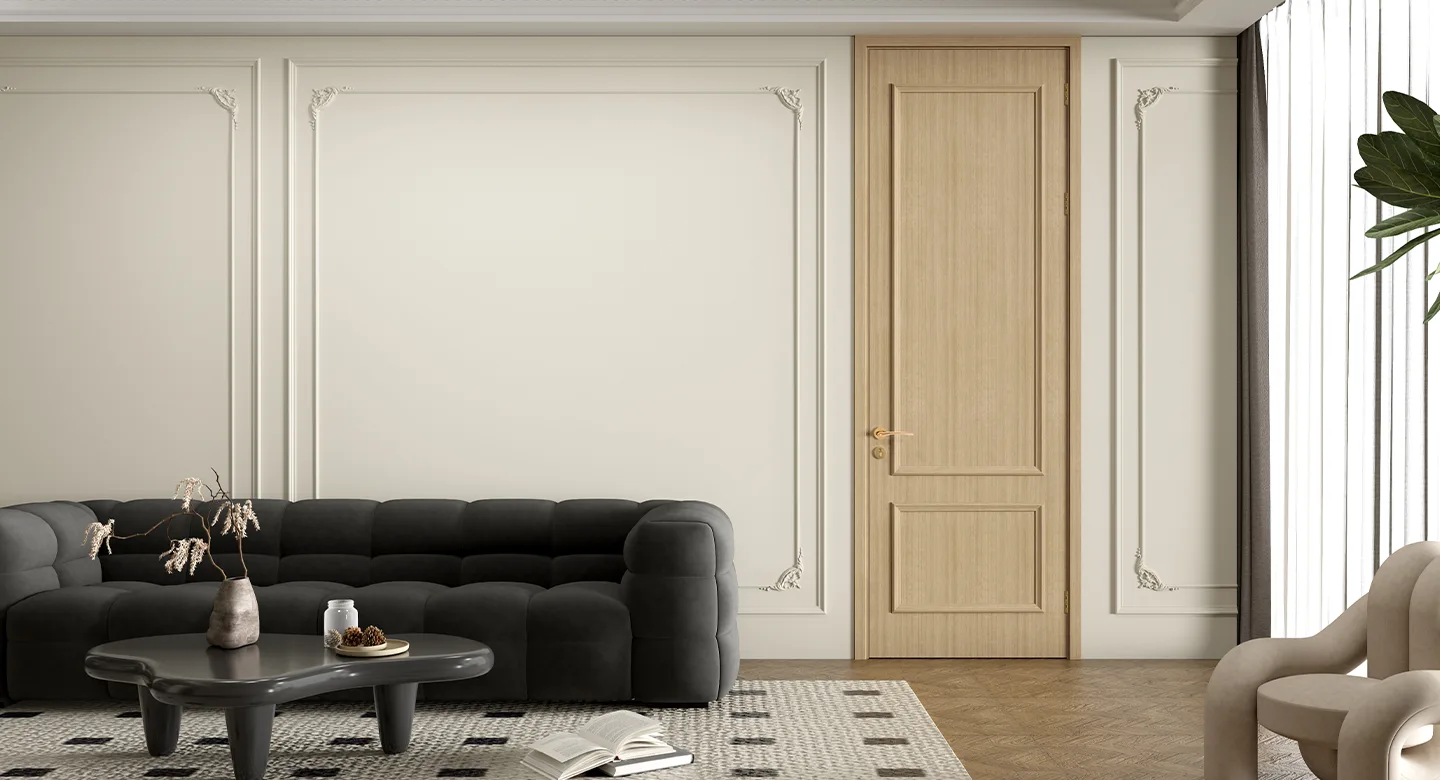
1. Interior Doors: Perfect for bedrooms, living rooms, and offices due to their aesthetic appeal and sound insulation properties.
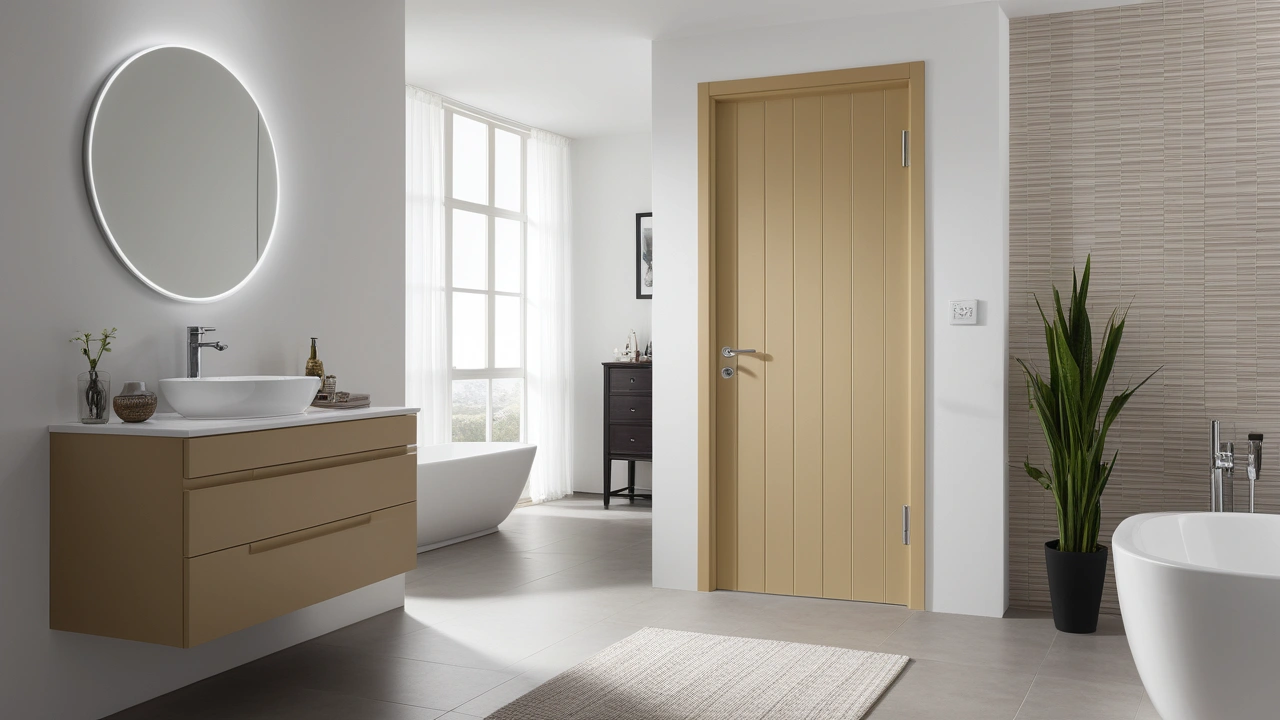
2. Bathroom Doors: Their waterproof nature makes them an excellent choice for bathrooms and other wet areas.
3. Kitchen Doors: WPC panels are ideal for kitchen spaces as they are resistant to heat and moisture.
4. Exterior Doors: With their weather-resistant properties, WPC door panels can also be used for outdoor applications.
5. Partitions: As well as doors, WPC panels can be used to create partitions in commercial spaces and homes.
WPC Door Panel vs. Traditional Wooden Door
| Feature | WPC Door Panel | Traditional Wooden Door |
|---|---|---|
| Moisture Resistance | High | Low |
| Termite Resistance | Yes | No |
| Maintenance | Low | Medium to High |
| Durability | Excellent | Moderate |
| Environmental Impact | Eco-friendly (recycled materials) | High (uses virgin timber) |
| Customization | Wide range of colors and finishes | Limited |
| Cost | Moderate | Varies (often higher in long run) |
Things to Consider Before Buying a WPC Door Panel
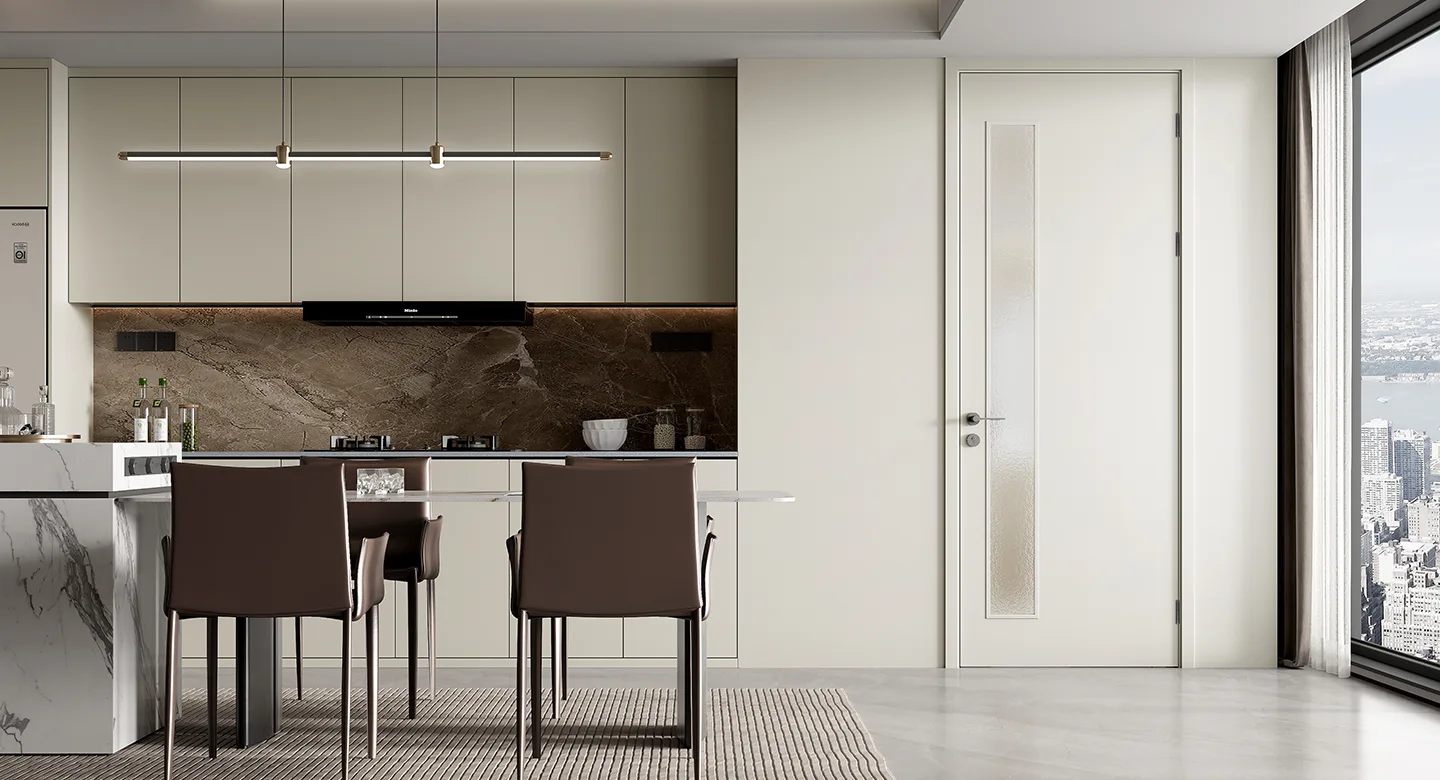
Before selecting WPC door panels for your project, consider the following factors:
1. Panel Thickness and Strength
Choose a panel thickness that suits the application. Heavier-duty doors might require thicker panels for structural integrity.
2. Surface Finish
Decide between laminated, painted, or textured finishes depending on the design concept. Glossy finishes add a modern touch, while wood-grain textures mimic natural wood.
3. Brand Reputation
Opt for reliable manufacturers like OPPOLIA, known for quality control, innovative design, and comprehensive product lines.
4. Warranty and After-Sales Support
Make sure that the product comes with a warranty and that the supplier provides reliable after-sales support in case any problems arise.
Conclusion
WPC door panels are redefining the standards for modern interior and architectural solutions. They combine style, performance, and sustainability, key factors every designer and contractor should consider in today’s competitive market.
If you’re planning a new project or renovation, make WPC door panels part of your material selection. With their unmatched benefits, they are a smart, forward-thinking choice that aligns with both design aesthetics and functional requirements.
OPPOLIA offers whole house products, including WPC doors, kitchen cabinets, wardrobe closets, bathroom vanities, aluminum windows, furniture, and more. Download the latest catalog to get more information! Learn more about OPPOLIA’s completed projects and choose us to be your trusted project partner. Contact us today to get a free quote!
FAQs about WPC Door Panel
WPC stands for Wood Plastic Composite, a material made by combining wood fibers or sawdust with thermoplastics such as PVC, PE, or PP to create durable and moisture-resistant door panels.
Yes. WPC door panels are highly resistant to water and moisture, making them suitable for bathrooms, kitchens, laundry rooms, and other humid environments where traditional wood may swell or warp.
Compared with traditional wooden doors, WPC doors offer better moisture resistance, termite resistance, lower maintenance requirements, and improved durability while maintaining a wood-like appearance.
Yes. WPC door panels are available in various colors, textures, finishes, and designs, including wood-grain patterns, laminated surfaces, and modern matte finishes to match different interior styles.
Key considerations include panel thickness, structural strength, surface finish, moisture resistance, manufacturer reputation, warranty coverage, and after-sales support. Choosing the right specifications ensures long-term performance and value.