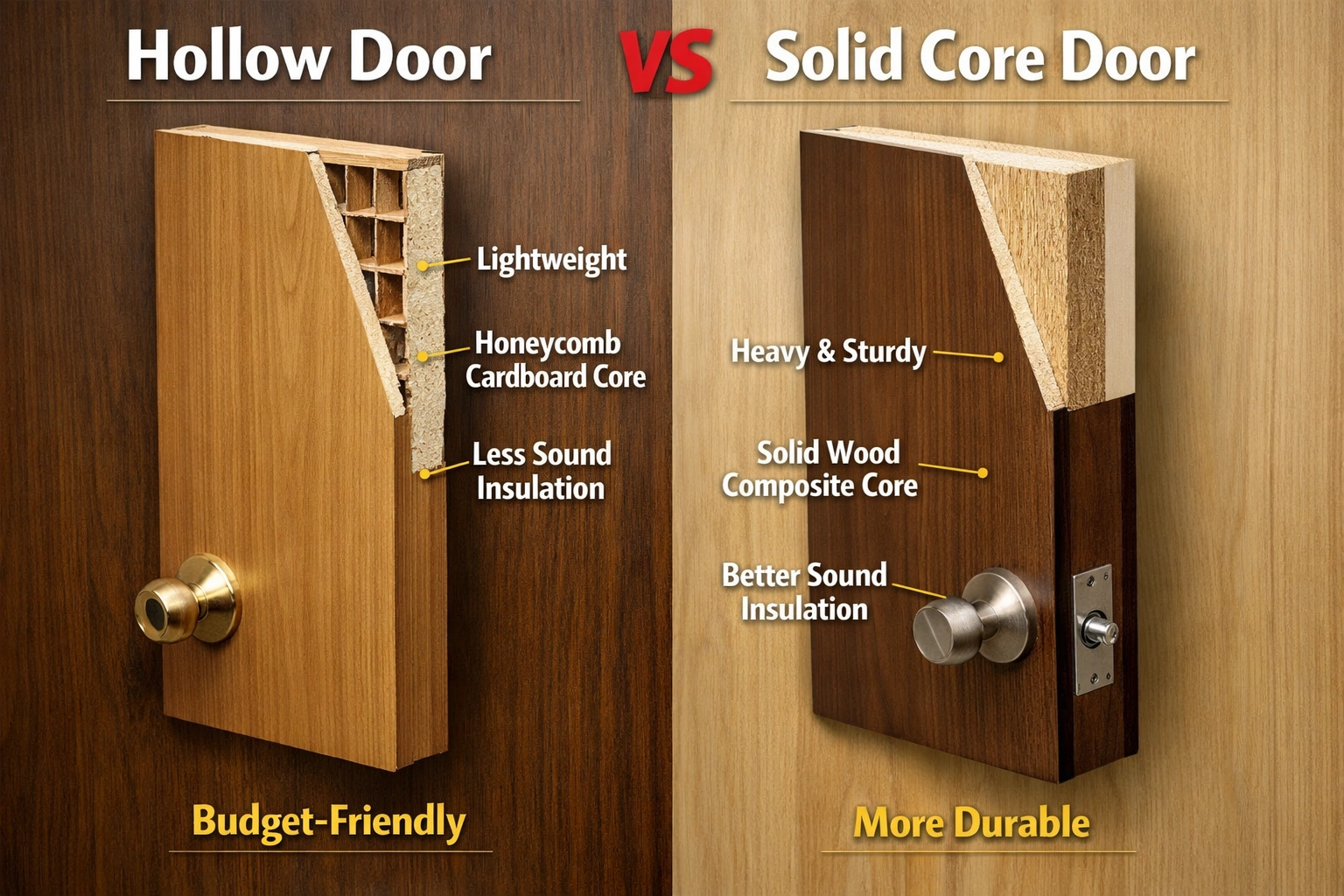

Summary: Choosing between a Hollow Door and a solid core door is a strategic decision in multi-unit construction. This guide helps builders balance cost, performance, acoustics, and compliance. A mixed-door approach often delivers the best results for large-scale residential and hospitality projects.
In multi-unit residential and mixed-use projects, door selection is far more than a design detail. Doors impact construction budgets, installation timelines, acoustic comfort, fire safety, and long-term maintenance costs. Among all options, the debate between hollow door systems and solid core doors remains one of the most common decisions builders and developers face.
This guide breaks down the real-world differences between hollow doors and solid core doors, explains where each option makes sense, and offers practical advice to help you specify doors with confidence for large-scale projects.
Understanding Hollow Core Doors
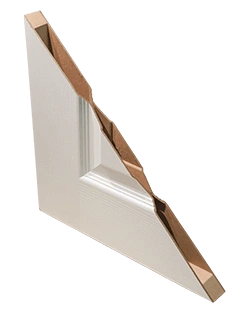
Hollow core doors are a popular choice in both residential and commercial construction due to their affordability and lightweight design. These doors are constructed with a lightweight core material (such as cardboard or wood veneer) sandwiched between two sheets of wood or fiberboard. This design makes them cost-effective while still providing a visually appealing finish.
Advantages of Hollow Core Doors
- Cost-Effective: Hollow core doors are significantly cheaper than solid core doors, making them an ideal option for budget-conscious projects or large-scale developments.
- Lightweight: Their lightweight nature makes them easy to transport, install, and operate. This is especially beneficial in multi-unit buildings where hundreds of doors may need to be installed.
- Variety of Designs: Hollow core interior doors come in a wide range of styles, finishes, and sizes, allowing developers to match the aesthetic of their project.
- Eco-Friendly Options: Many hollow core doors are made from recycled materials, making them a more sustainable choice for environmentally conscious builders.
Disadvantages of Hollow Core Doors
- Lower Durability: Due to their hollow structure, these doors are less durable and can be easily damaged by impact or heavy use.
- Poor Sound Insulation: One of the most significant drawbacks is their lack of soundproofing. Noise easily travels through hollow core doors, which may not be ideal for environments requiring privacy or noise control.3.
- Limited Fire Resistance: Hollow core doors generally have lower fire resistance compared to solid core doors, which may not meet fire safety requirements in certain projects.
Understanding Solid Core Doors
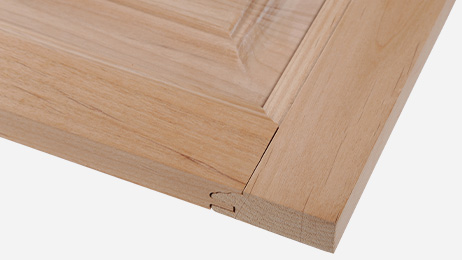
In contrast, solid core doors are constructed with a solid interior core made from wood, composite materials, or MDF (medium-density fiberboard). This solid construction gives them a heavier weight and greater density compared to hollow core doors.
Advantages of Solid Core Doors
- Superior Durability: Solid core doors are highly durable and resistant to wear and tear, making them an excellent choice for high-traffic areas in multi-unit projects.
- Enhanced Sound Insulation: The dense core material provides excellent soundproofing properties, ensuring privacy and reducing noise transmission between rooms.
- Fire Resistance: Many solid core doors are designed to meet fire safety standards, offering better protection in case of emergencies.
Disadvantages of Solid Core Doors
- Higher Cost: Solid core doors are more expensive than hollow core options, which can significantly impact the budget for large-scale projects.
- Heavier Weight: The added weight can make installation more labor-intensive and may require reinforced door frames or hinges.
- Limited Design Flexibility: While solid core doors are available in various finishes, they may not offer as much design versatility as hollow core options.
Cost Considerations for Large Projects
Cost is often the first filter when selecting doors for multi-unit developments.
1. Hollow Door Cost Advantages
From a pricing perspective, the hollow core is hard to beat. Lower material usage and simpler construction translate into:
- Lower unit cost
- Reduced shipping expenses due to lighter weight
- Easier handling during installation, saving labor time
For large developments with hundreds or thousands of doors, the savings can be substantial. Builders working under tight budgets or competitive bids often rely on hollow core interior doors to control overall project costs.
2. Solid Core Door Investment
Solid core doors come with a higher upfront price. However, many developers justify this cost in specific applications because:
- Fewer replacements over time
- Better tenant satisfaction due to noise reduction
In short, hollow doors minimize initial costs, while solid core doors often offer better long-term value in high-traffic or noise-sensitive areas.
Sound Control and Privacy
Sound transmission is one of the biggest functional differences between these door types.
1. Hollow Door
A standard hollow door provides minimal sound insulation. Voices, televisions, and hallway noise can easily pass through, which may be acceptable in certain interior locations but problematic in others.
Hollow doors are best suited for:
- Closets and storage rooms
- Secondary bedrooms in budget-focused projects
- Mechanical or utility rooms within units
Using hollow doors in high-privacy areas may lead to tenant complaints, especially in dense urban developments.
2. Solid Core Door
Solid core doors significantly reduce sound transmission thanks to their dense core. They are commonly specified for:
- Bedrooms in mid- to high-end projects
- Home offices within residential units
For developers focused on tenant comfort and long-term retention, solid core doors often make sense in these locations.
Durability and Wear Over Time
Multi-unit projects see far more door usage than single-family homes.
1. Hollow Door
A hollow door is lightweight and easy to install, but it is also more vulnerable to damage. Impacts can dent or puncture the surface, and repeated use may loosen hinges over time if not properly reinforced.
In rental-heavy projects, frequent turnover can accelerate wear and lead to higher maintenance costs.
2. Solid Core Door
Solid core doors are far more resistant to daily abuse. They hold screws better, resist dents, and maintain alignment over years of heavy use. This durability makes them ideal for:
- High-traffic corridors
- Student housing
- Hotels and serviced apartments
While the upfront cost is higher, reduced repairs and replacements often offset the difference.
Fire Ratings and Building Codes
Fire safety is a critical consideration in multi-unit developments.
- Hollow Door: Generally not fire-rated unless specially engineered.
- Solid Core Door: Easier to certify with fire ratings, making them essential for corridors, stairwells, and unit entrances.
Always verify local code requirements and fire regulations early in the design phase.
Installation and Construction Efficiency
Construction schedules matter, especially for large projects.
1. Hollow Door Installation Benefits
The lighter weight of a hollow door makes it easier to transport and install. Crews can work faster, reducing labor costs and fatigue. This can be a real advantage when installing hundreds of interior doors across multiple floors.
2. Solid Core Door Installation Considerations
Solid core doors are heavier and require more careful handling. Installation may take longer, and hardware reinforcement is essential. However, experienced crews can still maintain efficient workflows with proper planning.
Best Use Cases in Multi-Unit Projects
Most successful projects use a mix of door types rather than choosing only one.
1. Use Cases for Hollow Core Doors
- Hollow core doors are best suited for:
- Budget-Friendly Developments: Ideal for affordable housing projects or developments where cost savings are a priority.
- Low-Traffic Areas: Suitable for spaces with minimal wear and tear, such as closets or storage rooms.
2. Use Cases for Solid Core Doors
Solid core doors are ideal for:
- High-Traffic Areas: Withstands heavy usage in commercial spaces or frequently accessed areas.
- Spaces Requiring Noise Control: Essential for bedrooms, conference rooms, or any area where privacy is crucial.
- Fire-Safe Applications: Meets stringent fire safety requirements in hotels, offices, or multi-family buildings.
Conclusion
Choosing between hollow core and solid core interior doors is a critical decision that impacts the functionality, aesthetics, and overall success of your multi-unit project. While hollow core doors offer affordability and ease of installation, solid core doors provide superior durability, soundproofing, and fire resistance.
Ultimately, the right choice depends on your project’s specific needs and priorities. By carefully considering factors such as budget, noise control requirements, durability expectations, and design preferences, you can make an informed decision that aligns with your goals.
If you’re looking for high-quality interior door solutions for your next project, look no further than OPPOLIA. OPPOLIA offers turnkey door solutions—you can choose custom or RTA doors that fit your needs perfectly. With exports to over 100 countries and over 10,000 completed projects under our belt, we’re confident in our ability to deliver exceptional results for your next development.
Learn more about OPPOLIA’s interior door collections. Contact us now for a free quote and let us help you take your project to the next level!
FAQs about Hollow Doors
Yes, a hollow door is suitable for multi-unit projects when used in low-impact interior areas such as bedrooms, closets, and storage rooms. Builders often choose hollow core door options to reduce material costs and speed up installation, while reserving solid core doors for entryways and shared spaces.
The primary difference lies in the internal construction. A Hollow Door uses a lightweight internal structure, while a solid core door has a dense engineered core. Solid core doors offer better sound insulation, durability, and fire-rating potential, making them ideal for high-traffic and regulated areas.
In most regions, hollow core interior doors are permitted for non-fire-rated interior applications. However, they are typically not allowed for unit entry doors or corridors that require fire or acoustic ratings. Builders should always verify local building and fire codes before specification.
A common strategy is to combine door types within the same project. Builders use Hollow Door systems for interior rooms and solid core doors where performance is critical. This balanced approach optimizes budgets while maintaining durability, compliance, and tenant satisfaction across all interior doors.
Supplier experience ensures consistent quality, accurate lead times, and scalability. For large developments, working with an experienced manufacturer helps avoid delays, mismatched specifications, and installation issues—especially when sourcing both hollow core and solid core interior doors under one coordinated solution.