
Summary: White interior doors remain a top choice for modern projects due to their clean appearance, versatility, and strong market acceptance. From Shaker and flush designs to glass and French styles, the right door selection enhances light, space, and long-term value for builders and developers across residential and mixed-use interiors.
Doors are far more than mere decorative elements; interior doors profoundly influence a space’s ambiance, functionality, and long-term value. In modern residences and mixed-use developments, white interior doors remain the most popular choice due to their versatility, clean aesthetic, and market appeal.
White doors work across architectural styles, support light-filled layouts, and pair easily with evolving interior trends. More importantly, they reduce risk for large-scale projects where consistency, durability, and buyer acceptance matter.
Below are the ten most popular styles of white interior doors used in modern interiors today, along with practical insights to help you specify the right solution for your next project.
- 1. Shaker-Style White Interior Doors
- 2. Flush White Interior Doors
- 3. White Panel Doors (Two-Panel and Three-Panel)
- 4. White Interior Doors with Glass Inserts
- 5. Barn-Style White Interior Doors
- 6. Slim Frame Contemporary White Interior Doors
- 7. French White Doors
- 8. Prehung White Doors
- 9. White Pocket Interior Doors
- 10. Custom White Interior Doors for Large Projects
- Conclusion
- FAQs About Interior Doors
1. Shaker-Style White Interior Doors
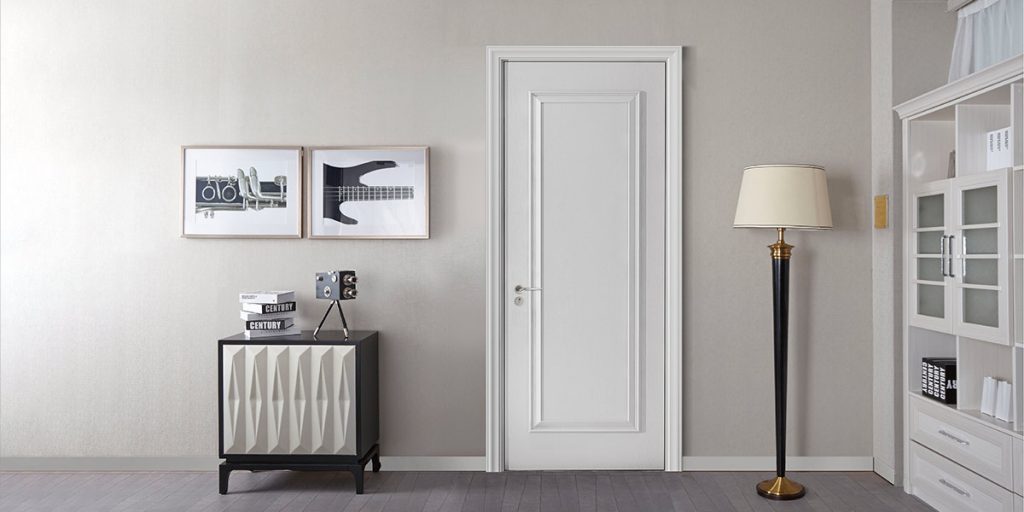
Shaker doors continue to dominate modern residential construction. Their flat center panel and square-edged framing offer a balanced look that suits both contemporary and transitional interiors.
For developers, Shaker doors are a safe and flexible choice. They work equally well in apartments, townhomes, and single-family homes, and they age better than trend-driven designs.
Key advantages:
- Clean lines with broad buyer appeal
- Easy to pair with modern or traditional hardware
- Cost-efficient in both RTA and custom programs
Shaker profiles are often the baseline for modern white interior doors in large developments.
2. Flush White Interior Doors
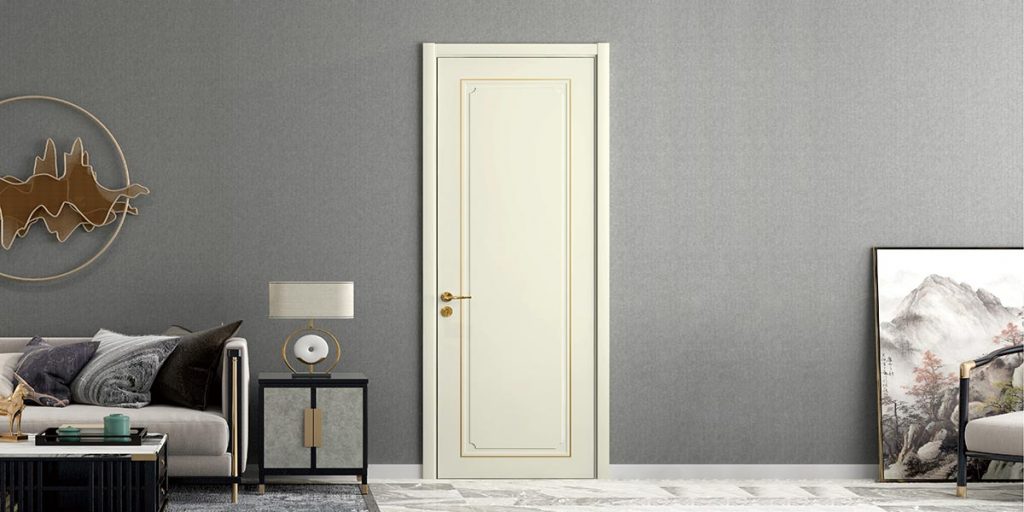
Flush doors are a staple in minimalist and high-density projects. With a smooth, flat surface and no visible detailing, they support a streamlined interior language and maximize visual space.
These doors are commonly specified for:
- Urban apartments and condominiums
- Hotels and serviced residences
- Projects with a strong minimalist or industrial theme
From a construction standpoint, flush white interior doors are easy to manufacture at scale and simple to install, making them ideal for tight timelines.
3. White Panel Doors (Two-Panel and Three-Panel)
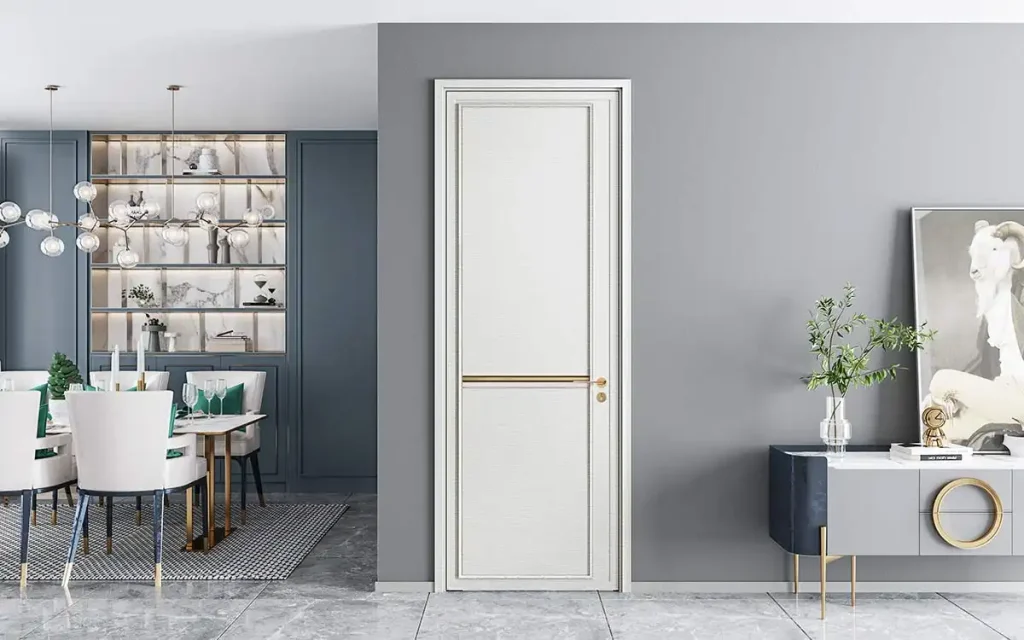
Panel doors remain popular where developers want subtle character without visual clutter. Two-panel and three-panel white doors offer depth and shadow lines while still maintaining a clean, modern look.
They are frequently used in:
- Mid-range residential projects
- Build-to-rent developments
- Renovations of existing properties
Panel configurations provide variety without introducing complexity, which helps maintain consistency across large door schedules.
4. White Interior Doors with Glass Inserts
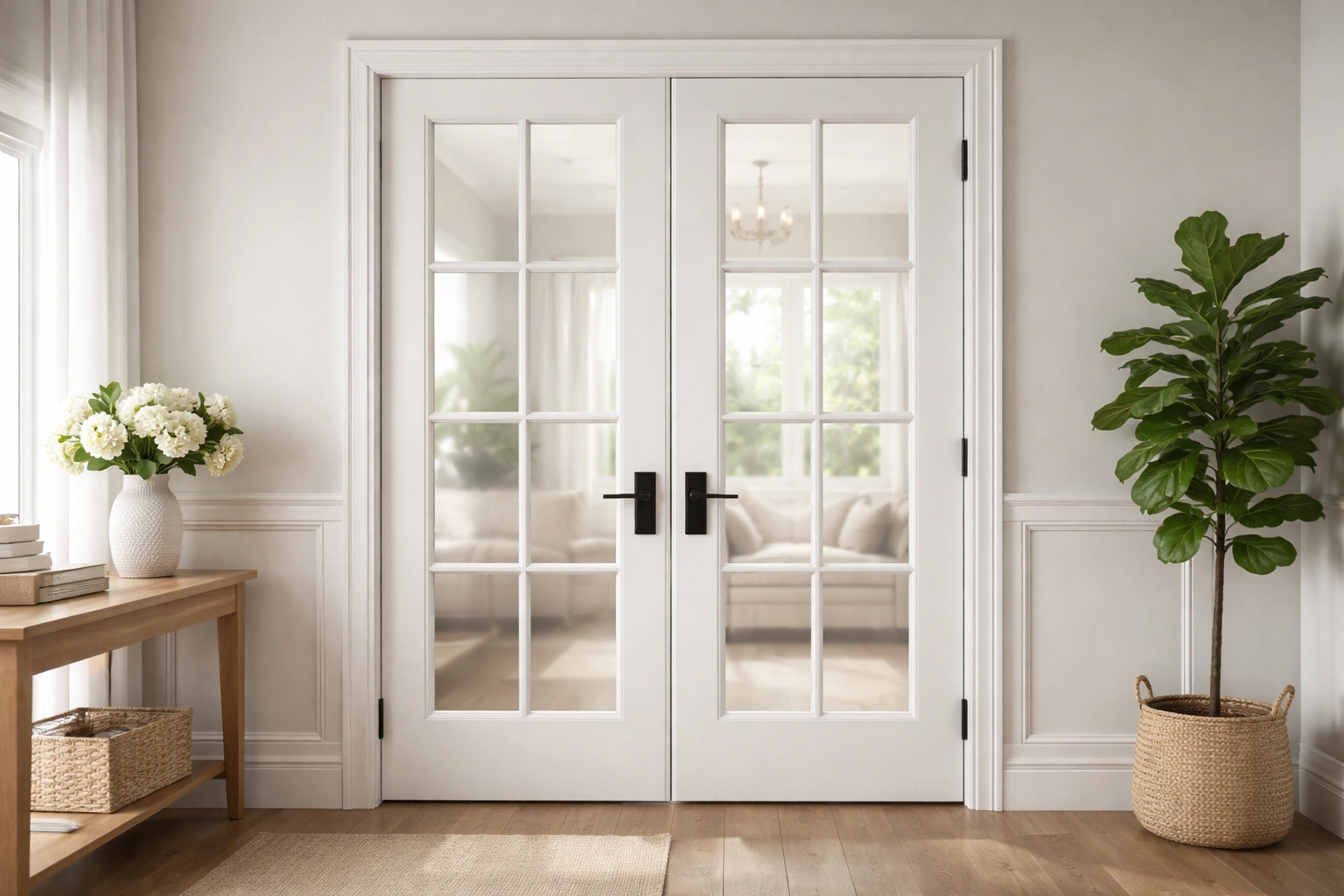
Glass-panel white interior doors are widely used to improve light flow while preserving separation between spaces. Frosted, reeded, or tempered clear glass are common option in modern interiors.
Typical applications include:
- Home offices
- Kitchens and dining areas
- Corridors in multi-unit projects
For developers, glass inserts add perceived value and functionality without increasing the footprint. When specified correctly, they also meet acoustic and safety requirements.
5. Barn-Style White Interior Doors
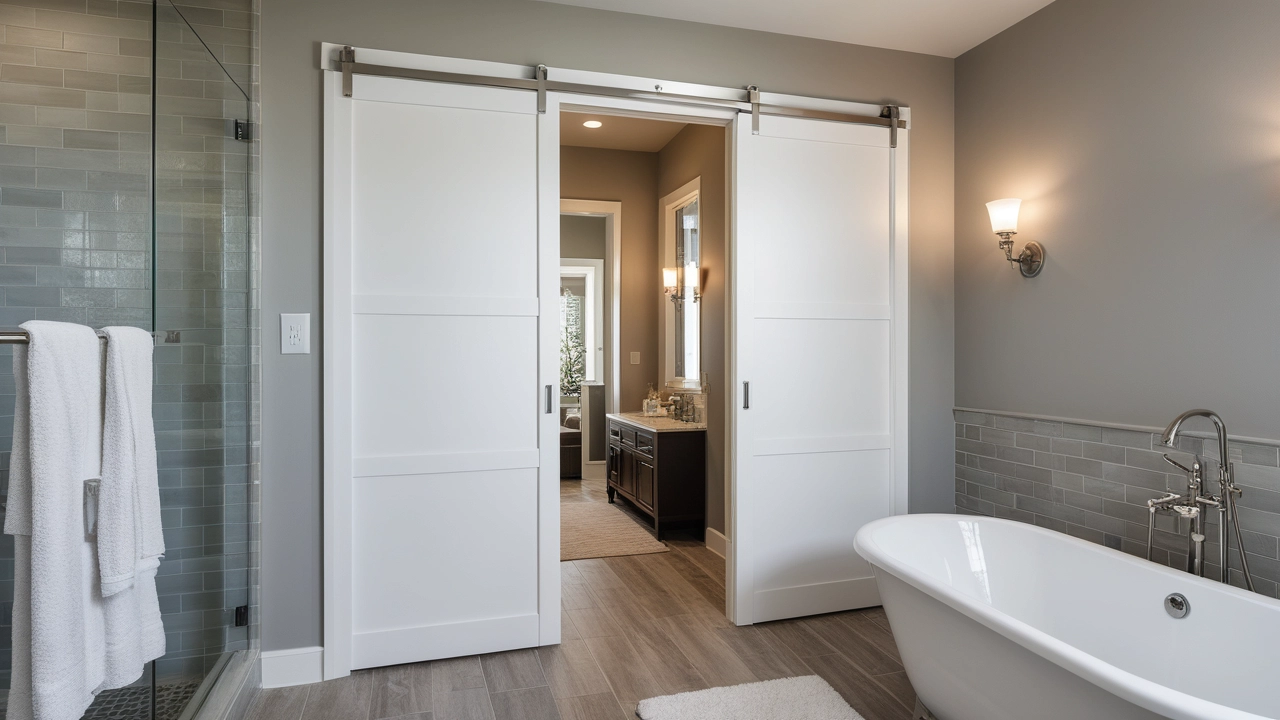
Barn-style doors have evolved from a farmhouse trend into a modern space-saving solution. In white finishes with simple hardware, they work well in contemporary interiors.
They are often specified for:
- Closets and utility rooms
- Compact apartments
- Feature spaces where swing clearance is limited
While not suitable for every room due to acoustic considerations, barn doors can reduce framing complexity and add visual interest when used selectively.
6. Slim Frame Contemporary White Interior Doors
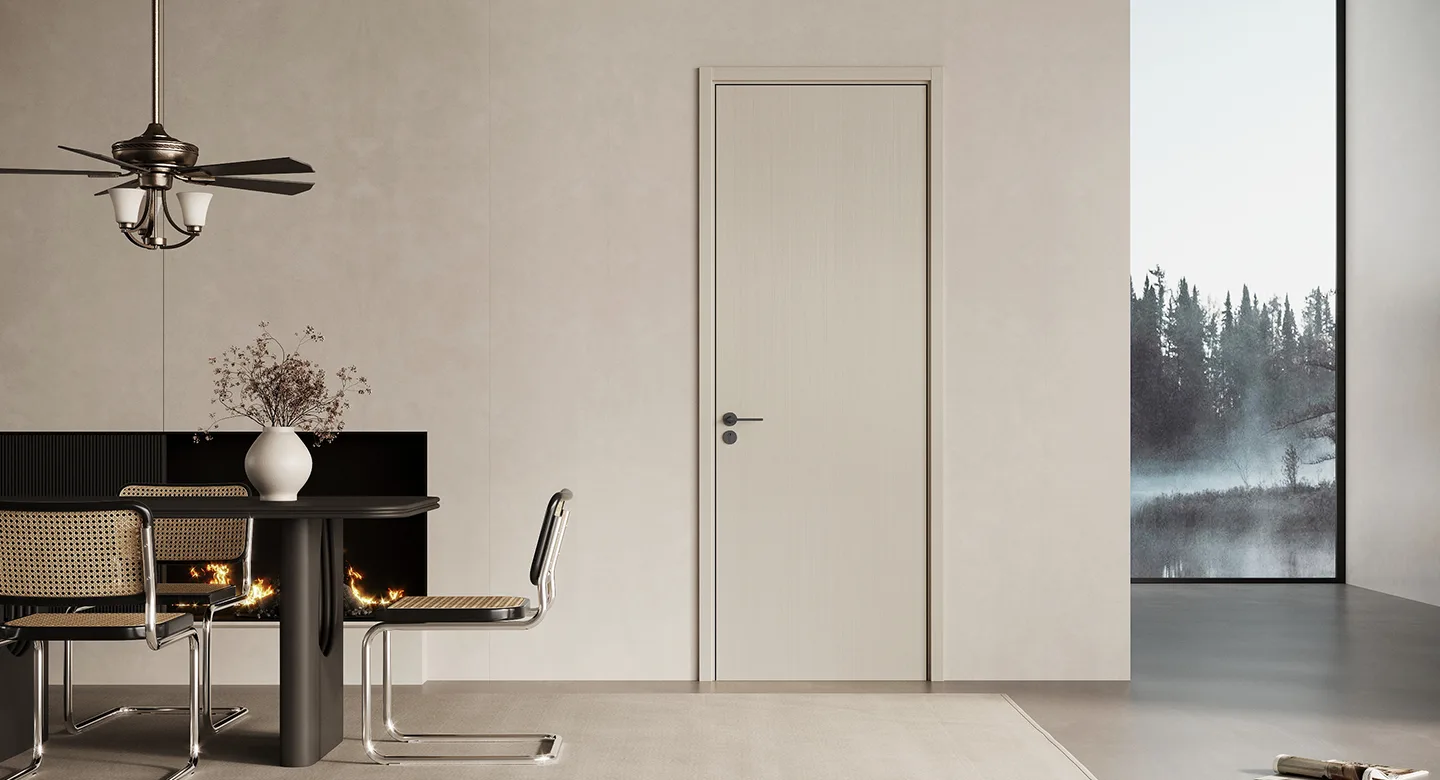
Slim-frame doors feature narrow stiles and rails, creating a refined, architectural appearance. These contemporary white interior doors are increasingly popular in high-end residential and mixed-use projects.
Why developers choose them:
- Strong alignment with modern architecture
- Clean detailing that elevates interiors
- Compatibility with concealed hinges and magnetic locks
Slim-frame designs require precise manufacturing, making supplier capability especially important at scale.
7. French White Doors
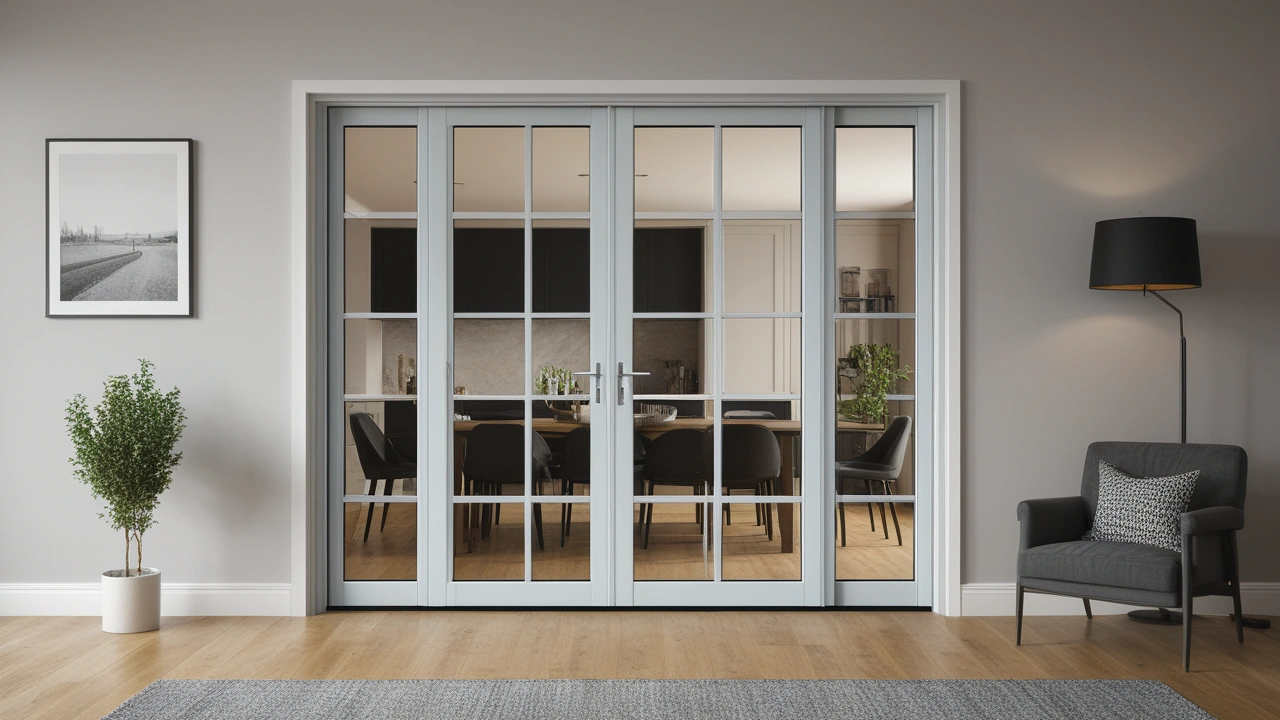
French white interior doors bring light and openness to modern interiors, adding an element of architectural elegance. Characterized by multiple glass panes framed in white, these doors create a visual connection between spaces while maintaining clear separation.
In contemporary projects, French doors are often specified with clean profiles, narrow muntins, and tempered or frosted glass to suit modern aesthetics rather than traditional décor.
Common applications include:
- Living room to dining room transitions
- Home offices and meeting rooms
For builders and developers, French white interior doors add perceived value and help interiors feel larger and brighter without increasing square footage. They are especially effective in layouts where natural light penetration is a priority.
8. Prehung White Doors
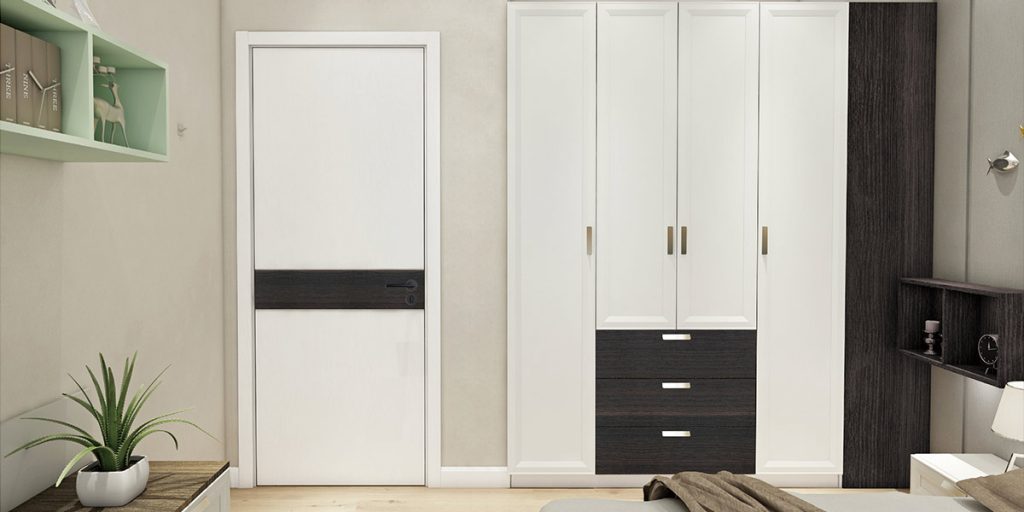
Prehung door systems are a practical choice for large developments where installation speed and consistency matter. These doors arrive fully assembled with a frame and hinges, and often with hardware prepped and ready to go.
Benefits for builders:
- Faster installation on site
- Reduced labor variability
- Improved quality control
Prehung interior door systems are especially effective in multi-unit projects where standardization reduces errors and delays.
9. White Pocket Interior Doors
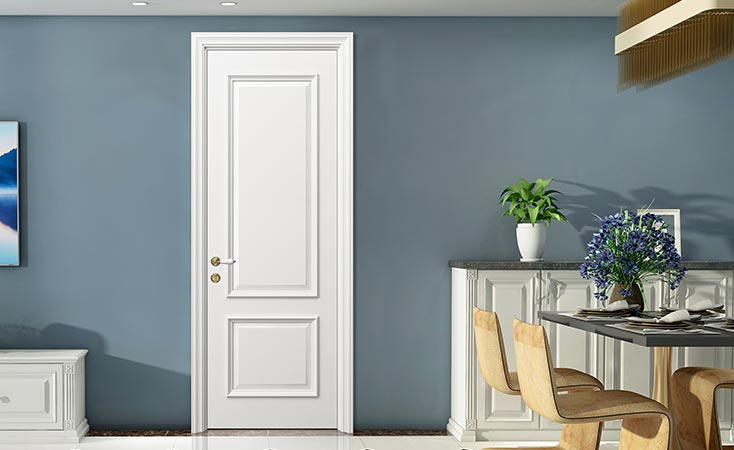
Pocket doors slide into the wall cavity, offering a sleek and highly functional solution for modern interiors where space efficiency is critical.
Why builders prefer pocket doors:
- Maximizes usable floor space
- Clean, uncluttered appearance
- Ideal for bathrooms, closets, and ensuite layouts
When finished in white, pocket doors virtually disappear into the architecture, supporting minimalist interior concepts.
10. Custom White Interior Doors for Large Projects
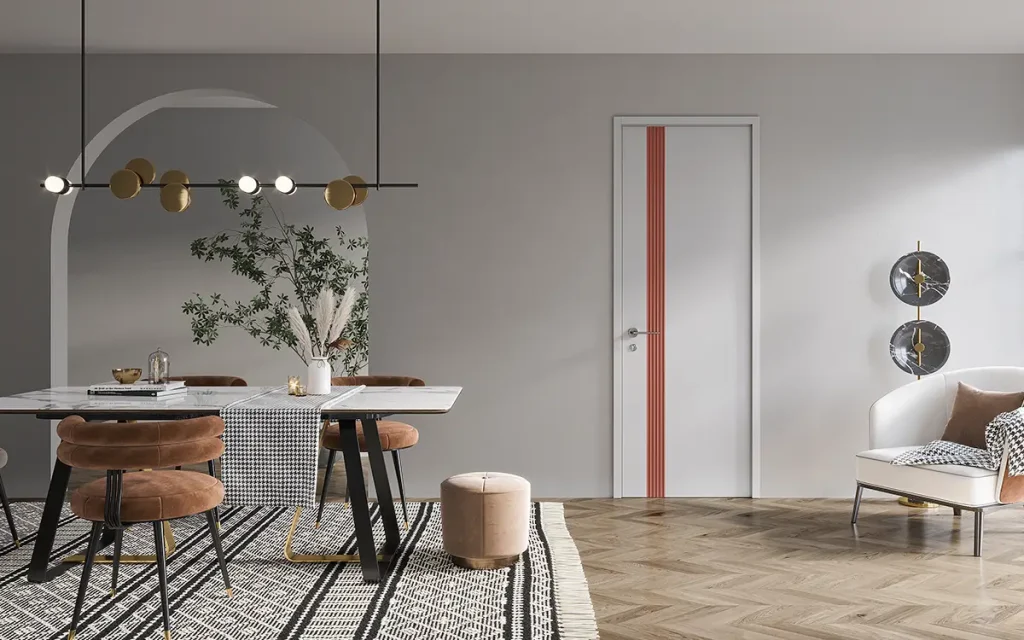
Custom door programs are increasingly common for developers who want design control and cost efficiency at scale. Custom doors allow developers to align door design with branding, architecture, and target market expectations. Customization may include:
- Non-standard sizes
- Unique panel layouts
- Specific finishes or edge profiles
When paired with volume production, custom interior doors allow developers to maintain brand consistency across multiple projects while meeting local code and market expectations.
Conclusion
Selecting the right door style is only part of the equation. Equally important is choosing a supplier that understands large-scale production, logistics, and project coordination.
OPPOLIA offers turnkey door solutions tailored to the needs of builders and developers. Choose from custom or ready-to-assemble (RTA) doors based on your project needs. We have exported to over 100 countries and completed more than 10,000 projects worldwide.
If you are looking for a reliable partner for large developments, OPPOLIA is a great choice. Learn more about OPPOLIA’s interior door collections, and contact us for a free quote.
FAQs About Interior Doors
Yes. White doors offer universal appeal, cost efficiency, and design flexibility, making them ideal for large-scale projects.
High-quality factory finishes are durable and easy to clean, especially when using scratch-resistant coatings.
Flush, shaker, grooved, and glass-insert styles dominate modern developments.
Absolutely. Custom sizing, finishes, and hardware are common for large projects.
Yes. With proper specifications, they perform well in apartments, offices, hotels, and mixed-use buildings.
They enhance brightness, perceived space, and modern appeal, contributing positively to overall value.