
Summary: This article highlights 10 key 2026 interior design trends for luxury hospitality and boutique hotels, focusing on refined aesthetics, sustainability, wellness, and experience-driven spaces. It offers practical design tips for interior designers, contractors, and builders to deliver high-performing, future-ready hotel interiors.
The global luxury hospitality sector is evolving faster than ever. As guest expectations rise and competition intensifies, hotels must go beyond aesthetics and deliver immersive, meaningful, and future-proof environments. In 2026, interior design is no longer just about visual appeal—it’s about storytelling, sustainability, technology, and emotional connection.
This article explores the key interior design trends shaping luxury hospitality and boutique hotels, with practical design tips to help professionals translate trends into real-world projects. Each trend reflects how hotel interior design is evolving to meet higher expectations while staying commercially viable.
- 1. Quiet Luxury Over Visual Excess
- 2. Experience-Driven Spatial Planning
- 3. Nature-Integrated Interiors
- 4. Sustainable Materials With a Premium Feel
- 5. Customization and Brand-Specific Design
- 6. Technology That Disappears Into Design
- 7. Residential Comfort in Public Spaces
- 8. Local Culture as a Design Foundation
- 9. Flexible Spaces for Multiple Uses
- 10. Wellness-Focused Design Beyond the Spa
- Conclusion
- FAQs about Hotel Interior Design
1. Quiet Luxury Over Visual Excess
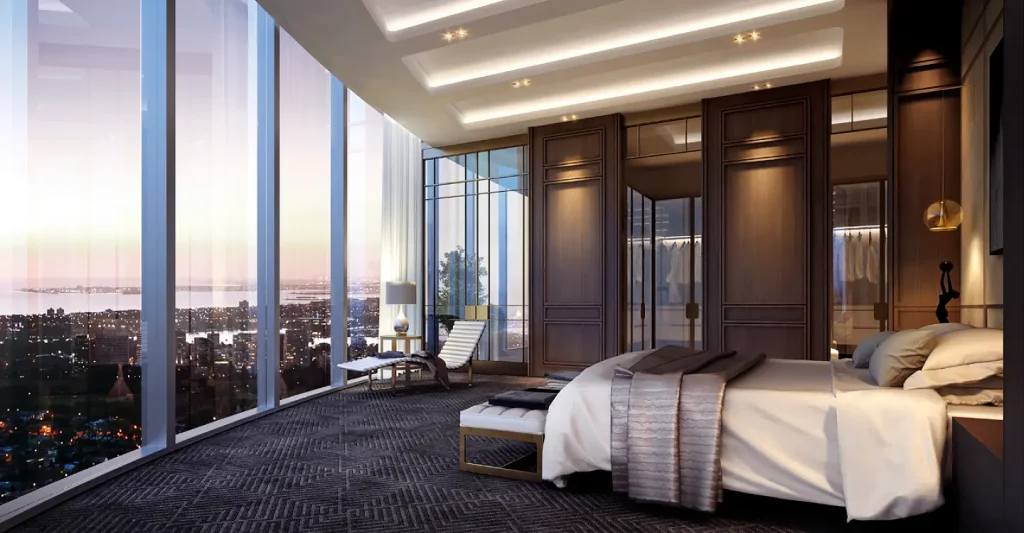
In 2026, luxury is defined by restraint. Loud statements, overly ornate finishes, and exaggerated décor are giving way to calm, confident spaces. Quiet luxury focuses on proportion, material quality, and thoughtful detailing rather than visual overload.
In luxury hotel interior design, this trend shows up through neutral palettes, soft textures, and refined joinery. Spaces feel composed, intentional, and timeless.
Design tips:
- Prioritize high-quality materials over decorative quantity.
- Use tone-on-tone color schemes to create depth without clutter.
- Pay attention to junction details, shadow gaps, and edge finishes.
2. Experience-Driven Spatial Planning
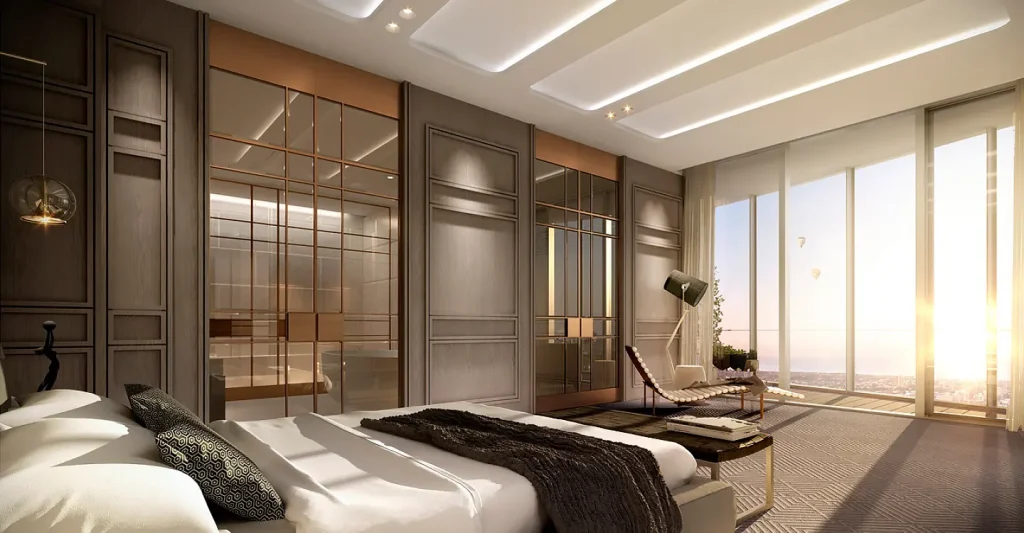
Luxury hospitality design starts with the guest journey. Every area, from arrival to check-out, is planned to support a sequence of experiences rather than isolated rooms.
Boutique hotels are leading this shift by designing intimate, story-driven layouts that encourage exploration and emotional connection. Boutique hotel interior design increasingly blends hospitality, residential comfort, and cultural storytelling.
Design tips:
- Map guest movement and emotional touchpoints early in the design phase.
- Create visual transitions between public, semi-private, and private areas.
3. Nature-Integrated Interiors
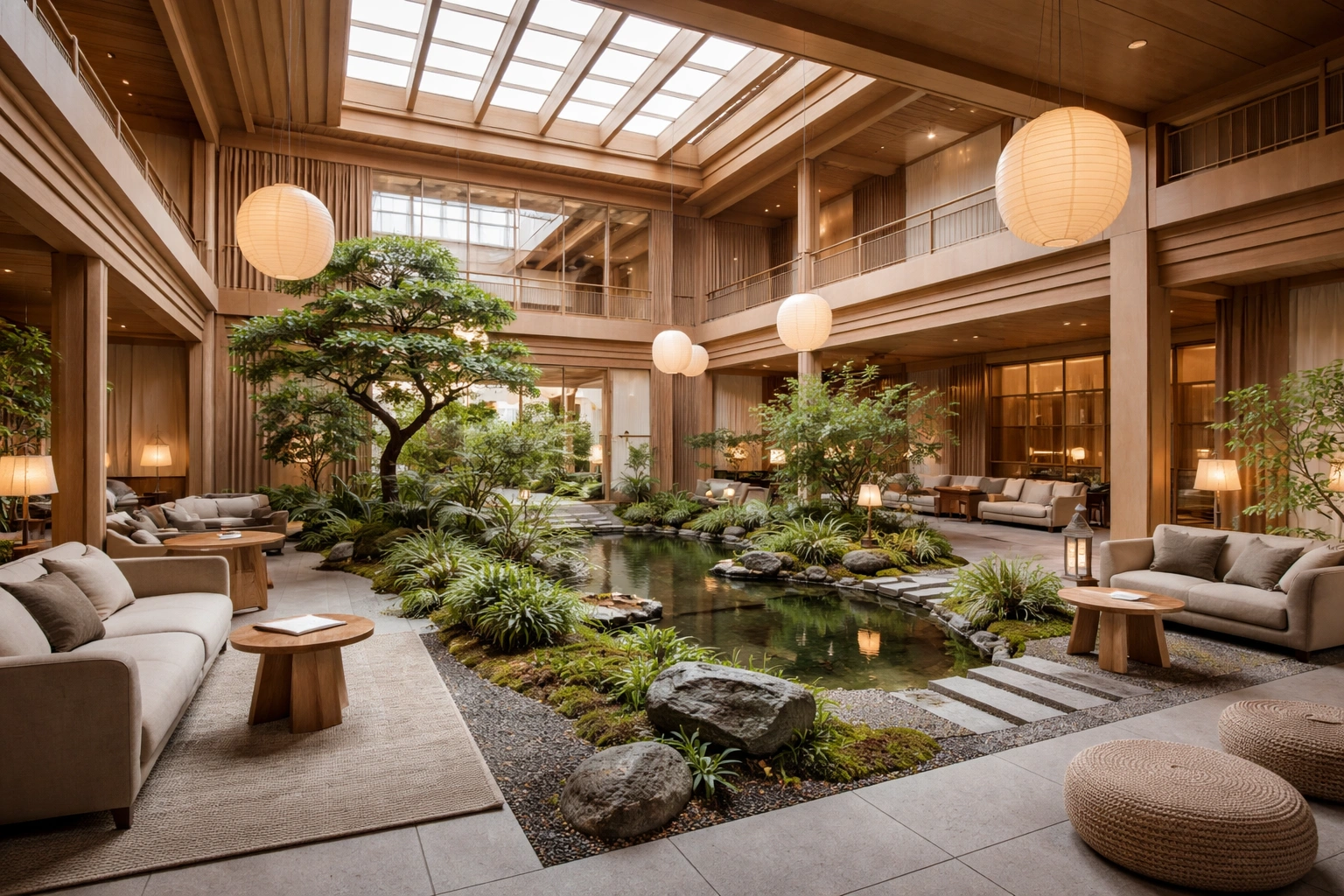
Biophilic design continues to mature in 2026, moving beyond decorative plants to deeper integration of natural elements. Guests expect a sense of connection to nature even in dense urban hotels.
This trend is especially relevant in luxury hospitality, where wellness and calm are part of the brand promise.
Design tips:
- Use natural stone, wood veneers, clay finishes, and organic textiles.
- Design views, courtyards, or interior gardens as focal points.
- Maximize daylight while controlling glare and heat gain.
4. Sustainable Materials With a Premium Feel
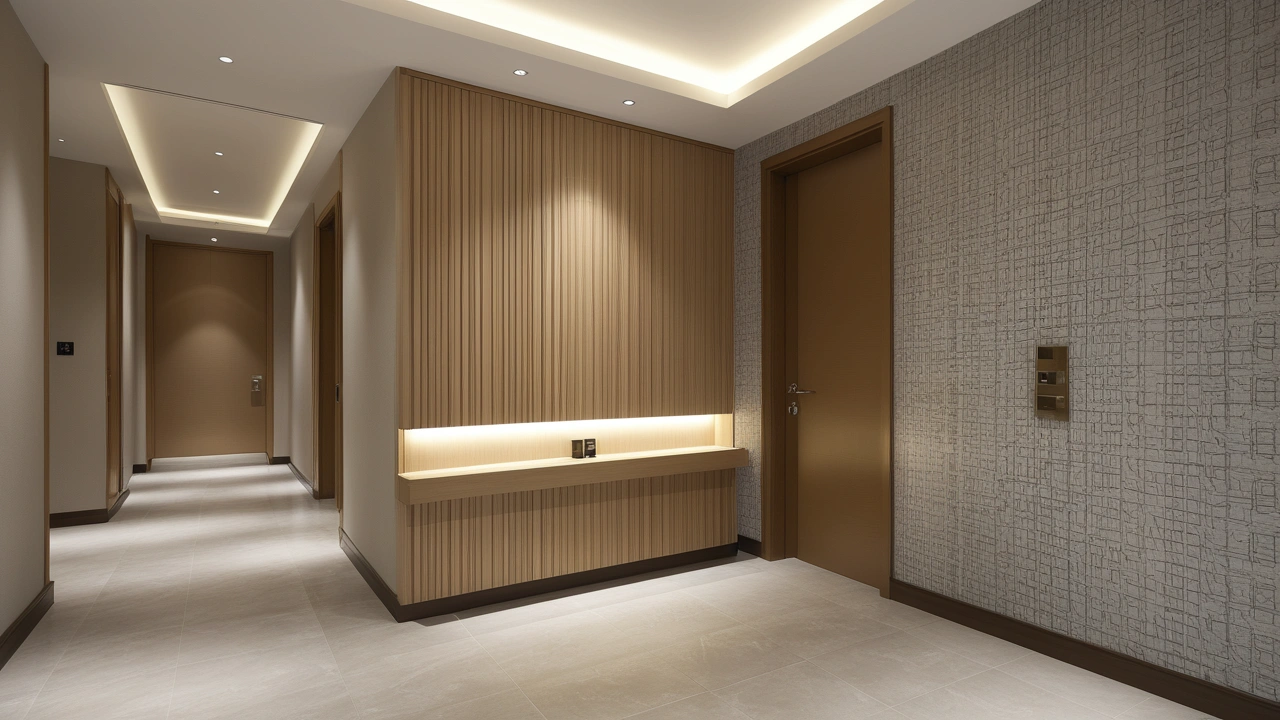
Sustainability is no longer optional, but luxury hotels cannot compromise on aesthetics. The focus is on eco-conscious materials that still deliver a refined look and long service life.
Responsible sourcing, low-emission finishes, and durable construction methods are now standard expectations in hotel interior design projects.
Design tips:
- Specify FSC-certified wood, recycled metals, and low-VOC finishes.
- Choose materials that age well rather than needing frequent replacement.
- Communicate sustainability choices through subtle design storytelling.
5. Customization and Brand-Specific Design
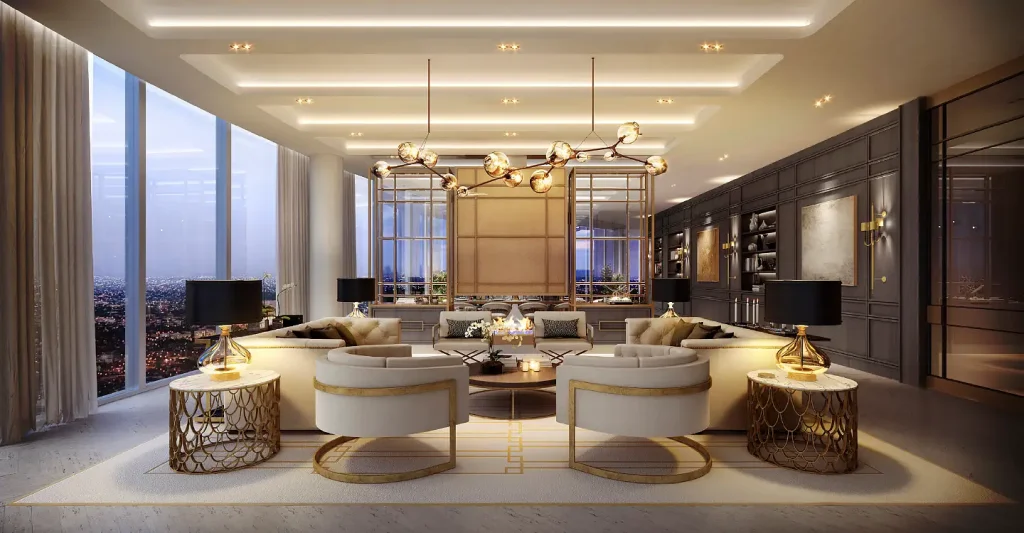
Standardized interiors are losing relevance. Luxury hospitality brands want interiors that are instantly recognizable and deeply aligned with their identity.
In luxury hotel interior design, custom furniture, bespoke millwork, and exclusive finishes help differentiate one property from another, even within the same brand portfolio.
Design tips:
- Develop custom furniture packages tailored to each project.
- Avoid catalog-driven design solutions.
- Collaborate early with manufacturers to control cost and consistency.
6. Technology That Disappears Into Design
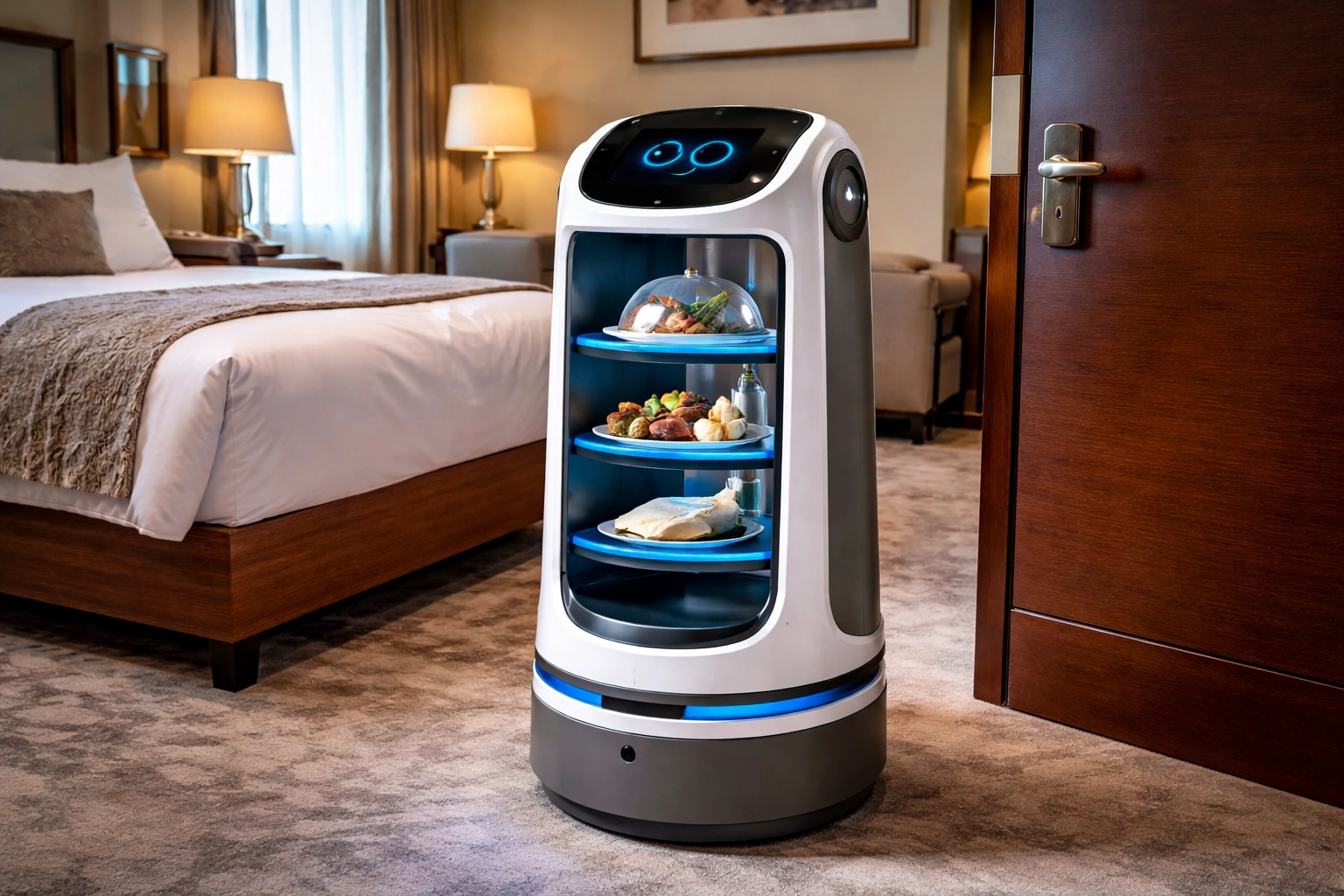
Guests expect advanced technology, but they do not want to see it. This year, smart systems are fully integrated into architecture and interiors, enhancing comfort without visual distraction.
Luxury hospitality spaces now hide technology behind refined design language.
Design tips:
- Integrate lighting, climate, and shading controls seamlessly.
- Conceal wiring, sensors, and devices within millwork.
- Design tech interfaces that are intuitive for international guests.
7. Residential Comfort in Public Spaces
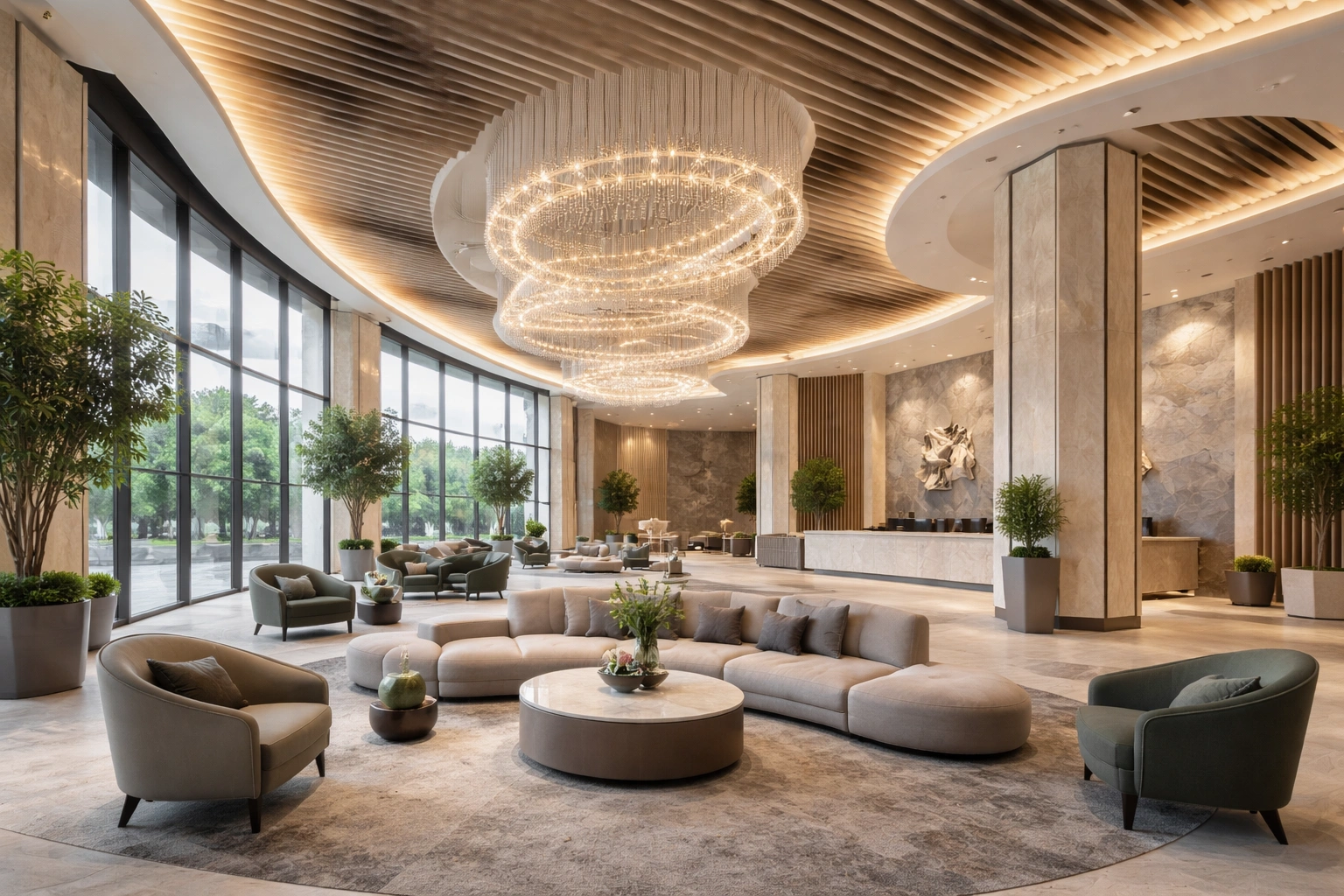
The line between hospitality and residential design continues to blur. Guests want hotels to feel welcoming, familiar, and emotionally comfortable, even in public zones.
This is a defining feature of modern boutique hotel interior design, where spaces feel curated rather than formal.
Design tips:
- Use residential-scale furniture and layered lighting.
- Design seating clusters instead of rigid layouts.
- Add soft finishes such as rugs, curtains, and upholstered panels.
8. Local Culture as a Design Foundation
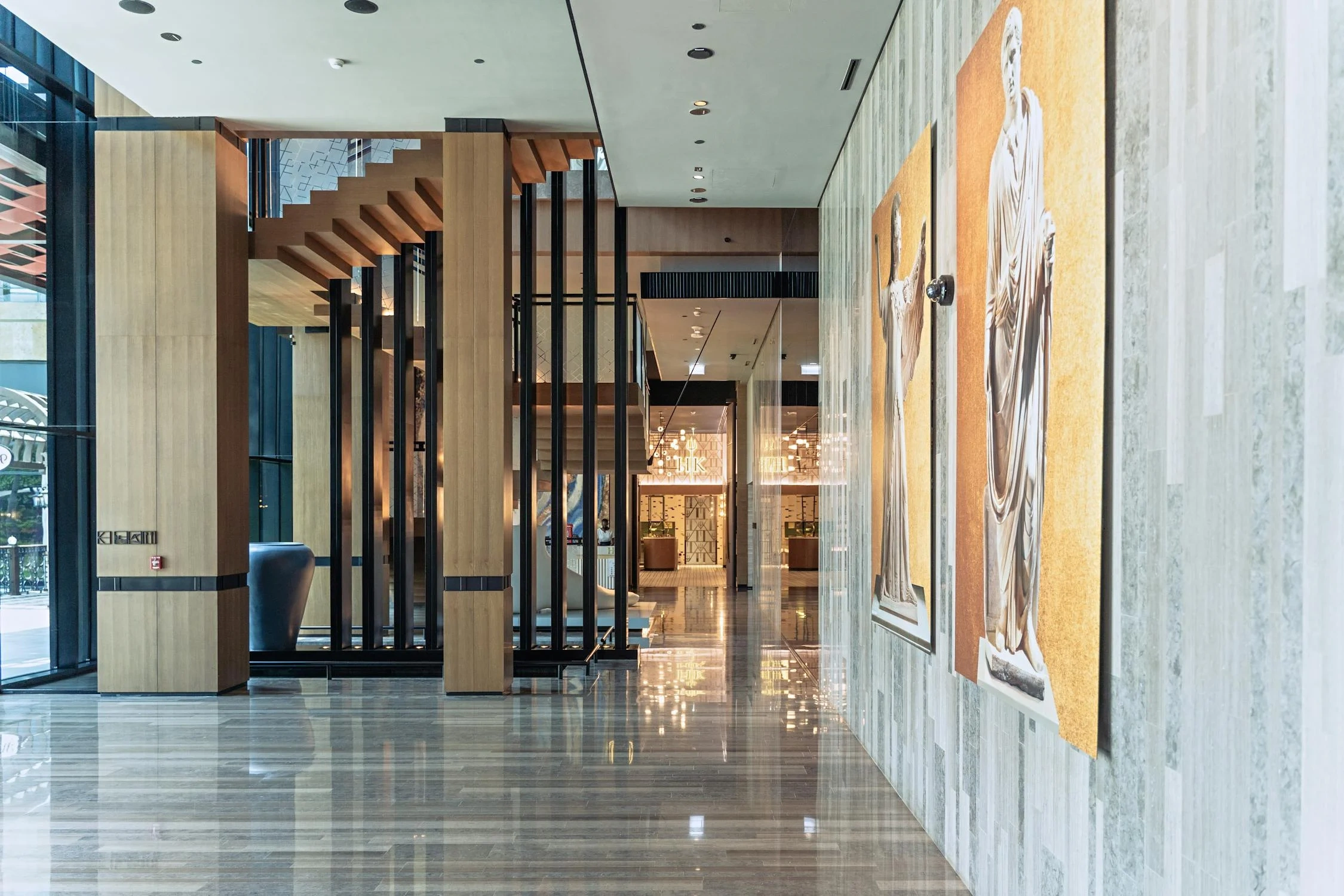
In 2026, authenticity is a core luxury value. Hotels that reflect local culture, craft, and materials stand out in a competitive market.
Rather than surface-level themes, luxury hospitality design now embeds regional identity into architecture, materials, and spatial narratives.
Design tips:
- Collaborate with local artisans and suppliers.
- Translate cultural references into modern design language.
- Avoid literal or overly decorative interpretations of tradition.
9. Flexible Spaces for Multiple Uses
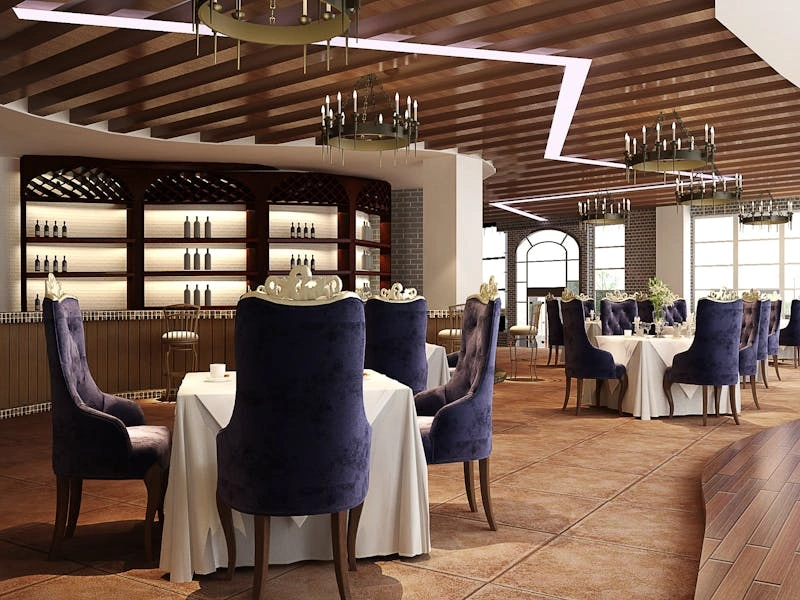
Operational efficiency is critical in luxury hospitality. Spaces must adapt to different uses throughout the day without compromising aesthetics.
Hotels are designing lounges, restaurants, and meeting areas that transform seamlessly, supporting revenue while maintaining a premium experience.
Design tips:
- Use modular furniture and movable partitions.
- Design lighting scenes for different functions.
- Select durable finishes suitable for high-traffic areas.
10. Wellness-Focused Design Beyond the Spa
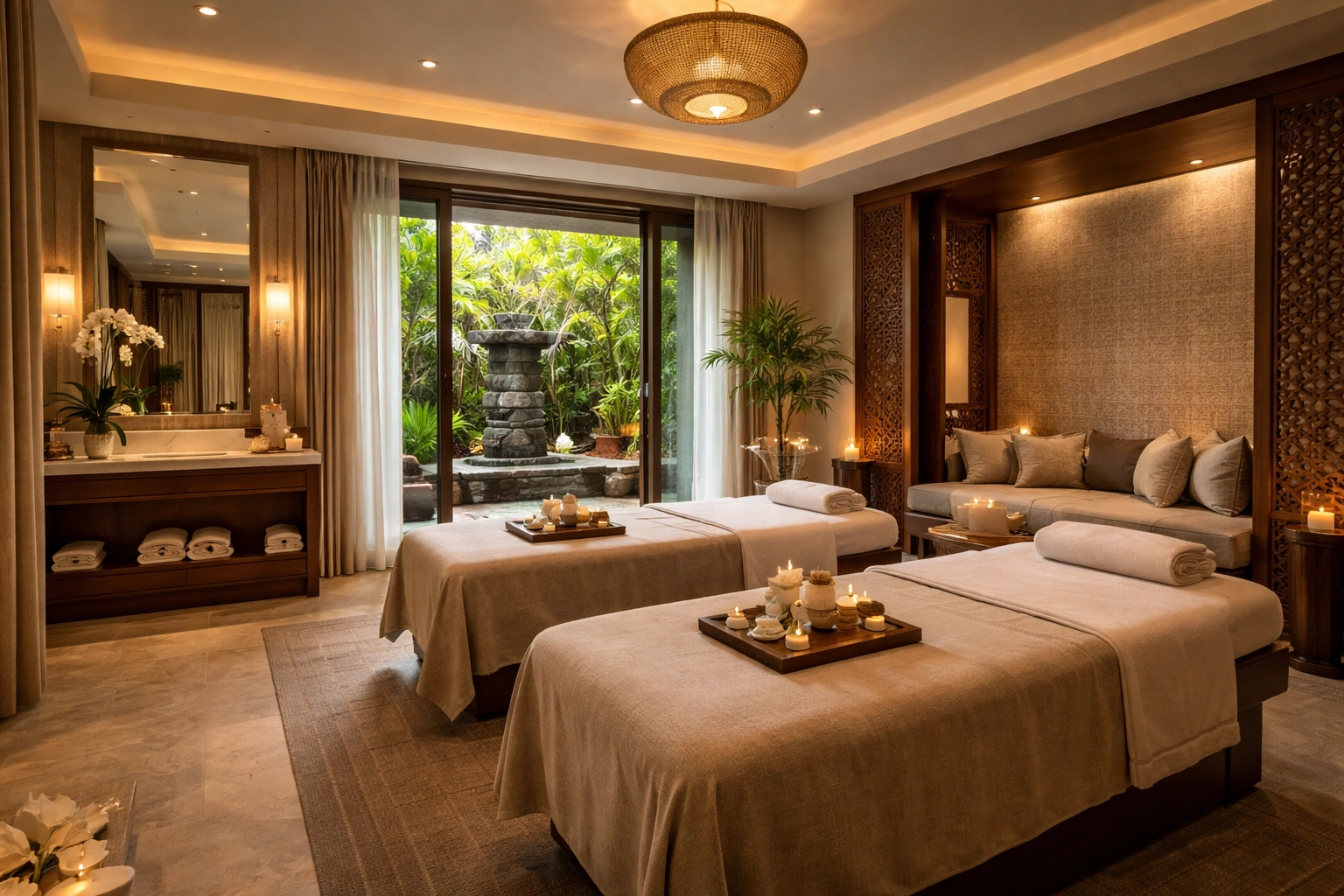
Wellness is no longer limited to spa areas. In 2026, wellness principles influence every aspect of hotel interior design, from guest rooms to corridors.
Luxury hospitality projects now prioritize physical comfort, mental calm, and sensory balance.
Design tips:
- Optimize acoustics to reduce noise stress.
- Choose calming color palettes and tactile materials.
- Design lighting that supports circadian rhythms.
Conclusion
Exceptional hotel interior design directly impacts guest satisfaction, online reviews, brand loyalty, and operational efficiency. In luxury hospitality, design is not an expense; it’s a strategic investment. For contractors and builders, well-coordinated interior design reduces construction risks, change orders, and delays. For designers, it strengthens long-term partnerships with hotel operators and developers.
OPPOLIA offers turnkey solutions, from design and production to delivery and installation. We have exported to over 100 countries and completed 10,000 projects worldwide. With extensive experience in luxury hotel interior design and boutique hotel interior design, OPPOLIA understands the unique demands of hotel projects—from customization and quality control to timelines and global logistics.
If you are looking for a trusted partner for hotel projects, OPPOLIA is a great choice. Learn more about OPPOLIA’s completed projects. Contact us today for a free quote!
FAQs about Hotel Interior Design
The most important elements of hotel interior design in luxury hospitality include spatial planning, material quality, lighting design, acoustics, and brand storytelling. Successful designs balance aesthetics with functionality, ensuring guest comfort, operational efficiency, and long-term durability while reflecting the hotel’s identity and market positioning.
Luxury hotel interior design focuses on customization, premium materials, and experiential details that elevate guest perception. Unlike standard hotel design, it emphasizes bespoke furniture, layered lighting, wellness features, and personalized spaces that create emotional engagement rather than purely functional environments.
Boutique hotel interior design is essential because it creates a unique, memorable identity that differentiates the property from large hotel chains. By incorporating local culture, storytelling, and curated details, boutique hotels offer guests a more personal and immersive experience, which increases satisfaction and repeat stays.
Contractors and builders play a critical role in hotel interior design by ensuring design intent is accurately executed. Early collaboration with designers, precise coordination of trades, quality material sourcing, and adherence to timelines help reduce risks, control costs, and deliver high-end results in luxury hospitality projects.
Hotel interior design trends in 2026 include sustainable luxury, smart technology integration, biophilic design, residential-style comfort, and wellness-focused spaces. These trends reflect evolving guest expectations for environmentally responsible, emotionally engaging, and technologically seamless luxury hospitality environments.