
Summary: This article outlines ten key interior design trends influencing customized whole-house solutions, from integrated design concepts and custom cabinetry to smart home systems and sustainable materials. It offers practical tips for living room, kitchen, and bedroom design, helping interior designers, contractors, and builders create cohesive, functional, and market-ready homes.
Customized whole-house solutions are no longer a niche offering. They have become the preferred approach for high-end residential projects, large developments, and design-build contracts. For interior designers, contractors, and builders, understanding interior design trends is essential to delivering spaces that are functional, cohesive, and market-ready.
Unlike single-room projects, whole-house customization demands consistency, durability, and long-term value. The current interior design trends reflect this shift, focusing on personalization, smart integration, and sustainable choices that work across every space in the home.
Below are ten of the latest interior design trends shaping customized whole-house solutions, along with practical design tips you can apply to real projects.
- 1. Integrated Whole-House Design Concept
- 2. Functional Minimalism with Hidden Storage
- 3. Warm Minimalism Replacing Cold Minimalism
- 4. Natural Materials and Sustainable Finishes
- 5. Smart Home Integration Built Into Design
- 6. Multi-Functional Spaces for Modern Living
- 7. Elevated Living Room Design with Built-Ins
- 8. Streamlined Kitchen Interior Design
- 9. Hotel-Inspired Bedroom Interior Design
- 10. Neutral Color Palettes with Subtle Contrast
- Conclusion
- FAQs about Interior Design Trends
1. Integrated Whole-House Design Concept
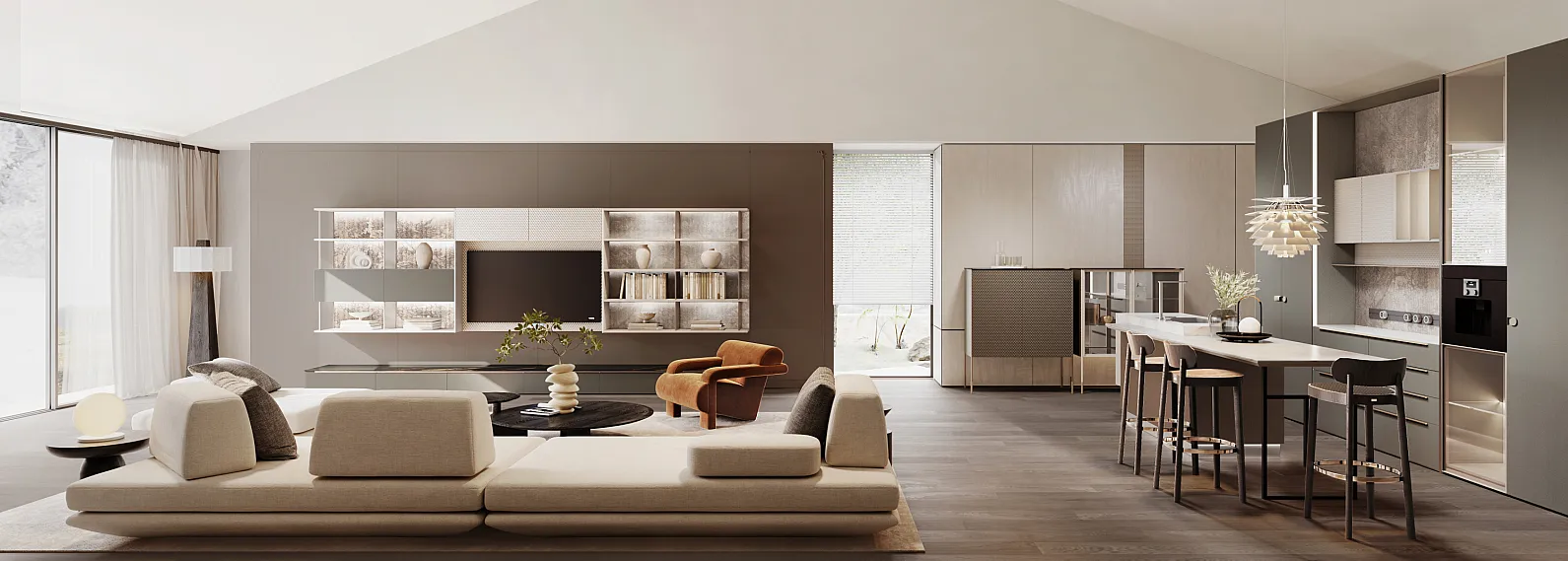
One of the most important interior design trends is the move away from room-by-room styling toward a unified design language. Clients expect visual and functional continuity from the entryway to the bedroom.
This means coordinated materials, consistent color palettes, and aligned architectural details across all spaces, including living room design, kitchen interior design, and bedroom interior design.
Design tips:
- Develop a master design guideline before detailing individual rooms
- Limit the number of core finishes and repeat them strategically
- Use transitions like flooring direction, ceiling details, or lighting temperature to subtly define zones
2. Functional Minimalism with Hidden Storage
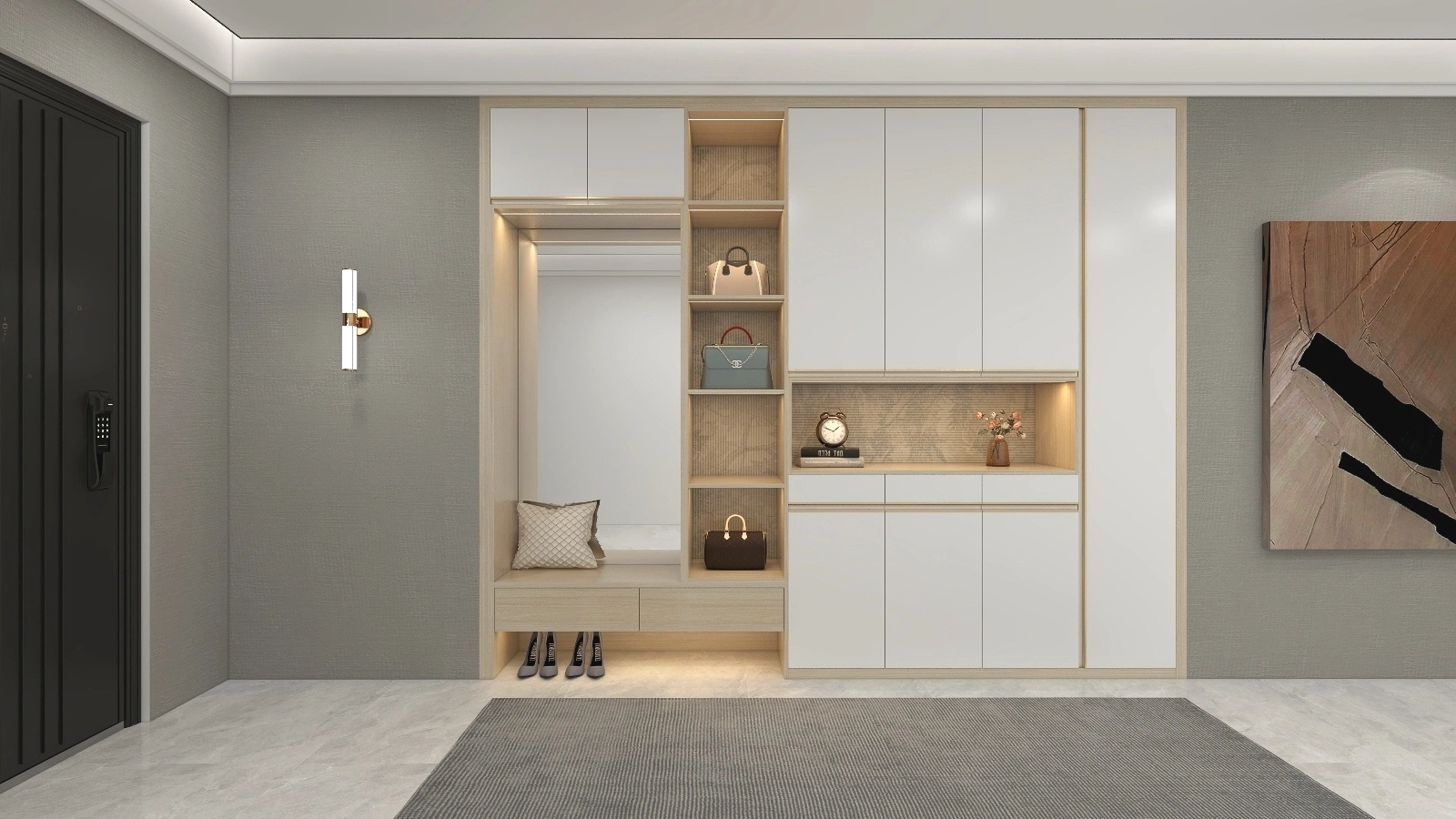
Minimalism has evolved into a more practical form—clean lines supported by intelligent storage solutions. Whole-house customization allows designers to hide clutter without sacrificing accessibility.
Design tips:
- Incorporate floor-to-ceiling cabinetry in hallways and bedrooms
- Use handle-less systems and concealed hardware
- Design multi-functional furniture for compact units
3. Warm Minimalism Replacing Cold Minimalism
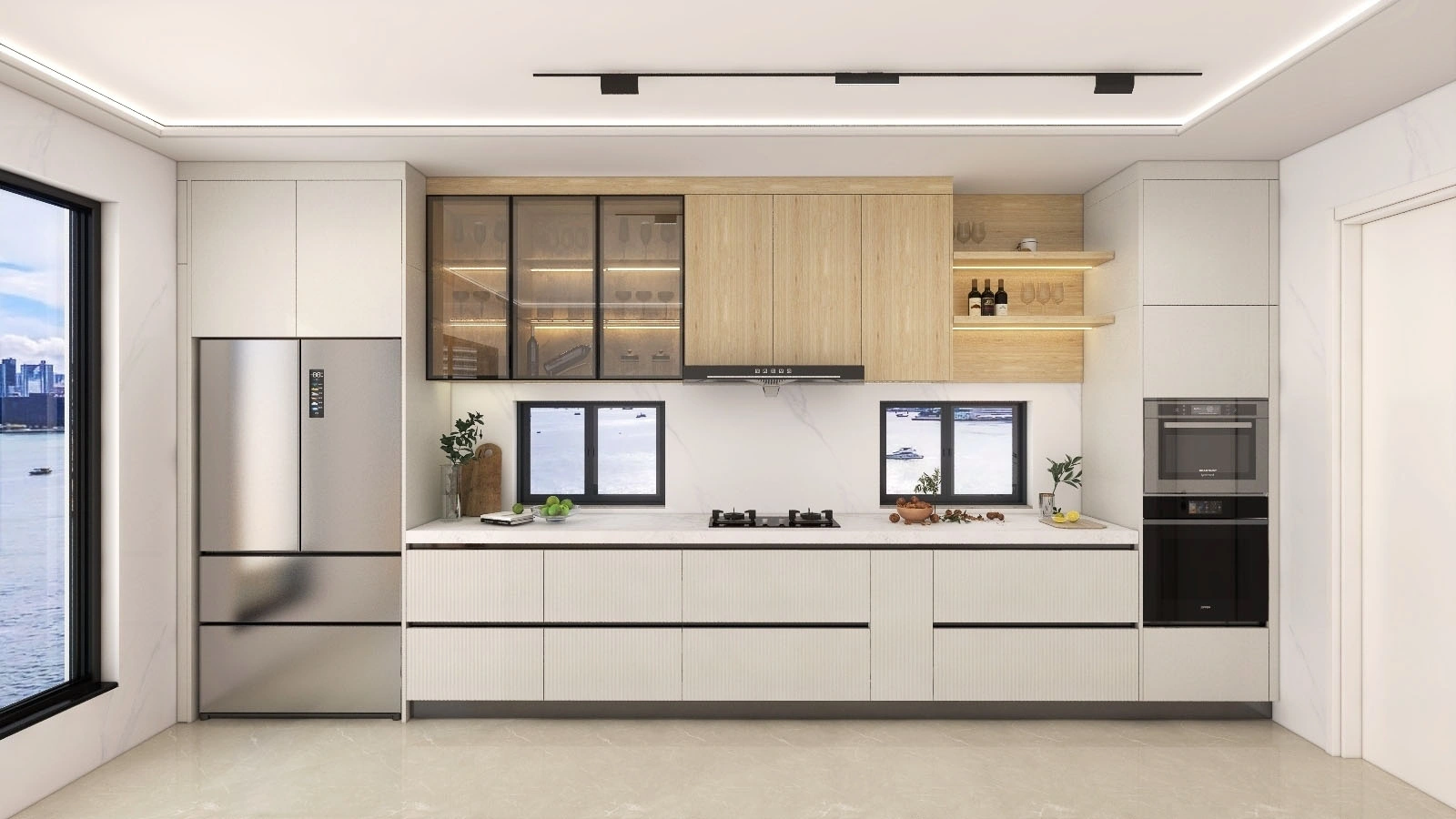
Among the latest interior design trends, warm minimalism stands out. Clean lines remain, but stark white spaces are giving way to warmer tones, textured surfaces, and natural materials.
This approach works well in customized whole-house projects because it appeals to a broader market and ages better over time.
Design tips:
- Replace pure white with off-white, beige, or light taupe
- Add texture through wood grain, stone, or fabric panels
- Keep forms simple, but avoid flat, lifeless surfaces
4. Natural Materials and Sustainable Finishes
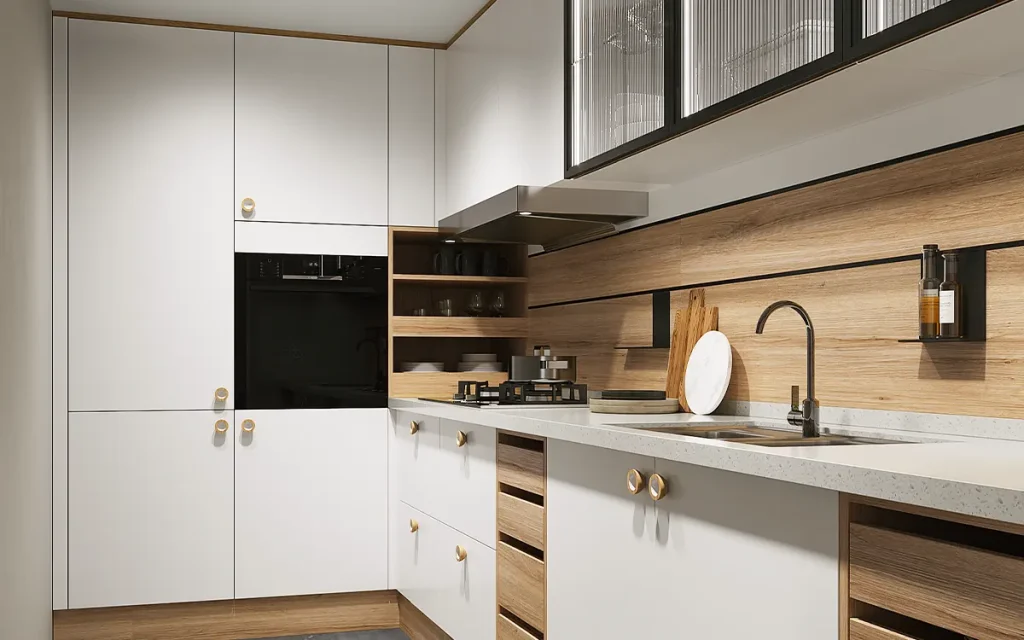
Sustainability is no longer optional. Many current interior design trends emphasize eco-friendly materials that also deliver visual warmth and durability.
Engineered wood, low-VOC finishes, recycled surfaces, and stone-inspired materials are now standard choices in large-scale residential projects.
Design tips:
- Select materials that balance sustainability with ease of maintenance
- Use wood tones consistently across cabinets, doors, and wall panels
- Highlight natural textures in high-visibility areas like living rooms and master bedrooms
5. Smart Home Integration Built Into Design
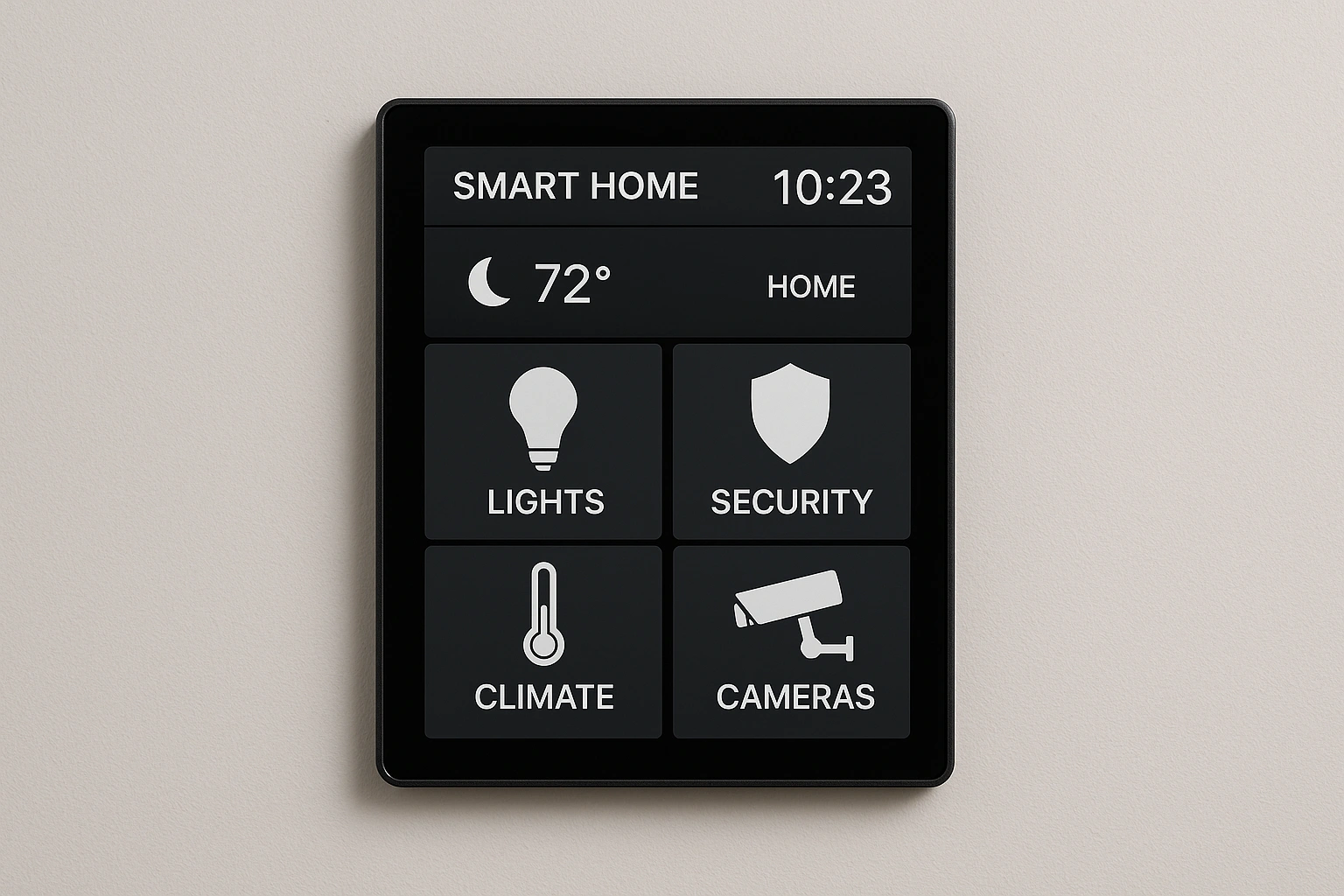
Smart technology has evolved from an add-on to a core design consideration. In interior design trends 2026, seamless smart integration is expected across lighting, climate control, security, and appliances.
For whole-house solutions, the key is invisibility. Technology should support daily life without dominating the design.
Design tips:
- Plan smart systems during the design phase, not after installation
- Conceal wiring, sensors, and control panels within cabinetry
- Choose smart lighting and appliances that integrate with the overall aesthetics
6. Multi-Functional Spaces for Modern Living
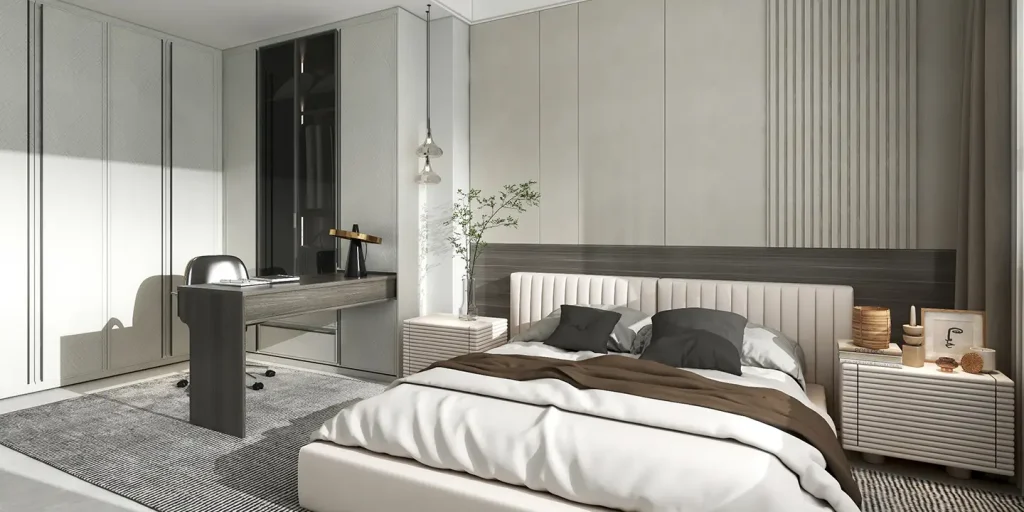
Homes now need to support work, rest, entertainment, and storage within the same footprint. This has driven one of the most practical interior design trends: flexible, multi-purpose spaces.
Customized whole-house solutions are ideal for this approach because they allow built-in furniture and storage tailored to each client’s lifestyle.
Design tips:
- Design living rooms with concealed storage and flexible seating
- Use sliding doors or partitions to adapt room functions when needed
7. Elevated Living Room Design with Built-Ins
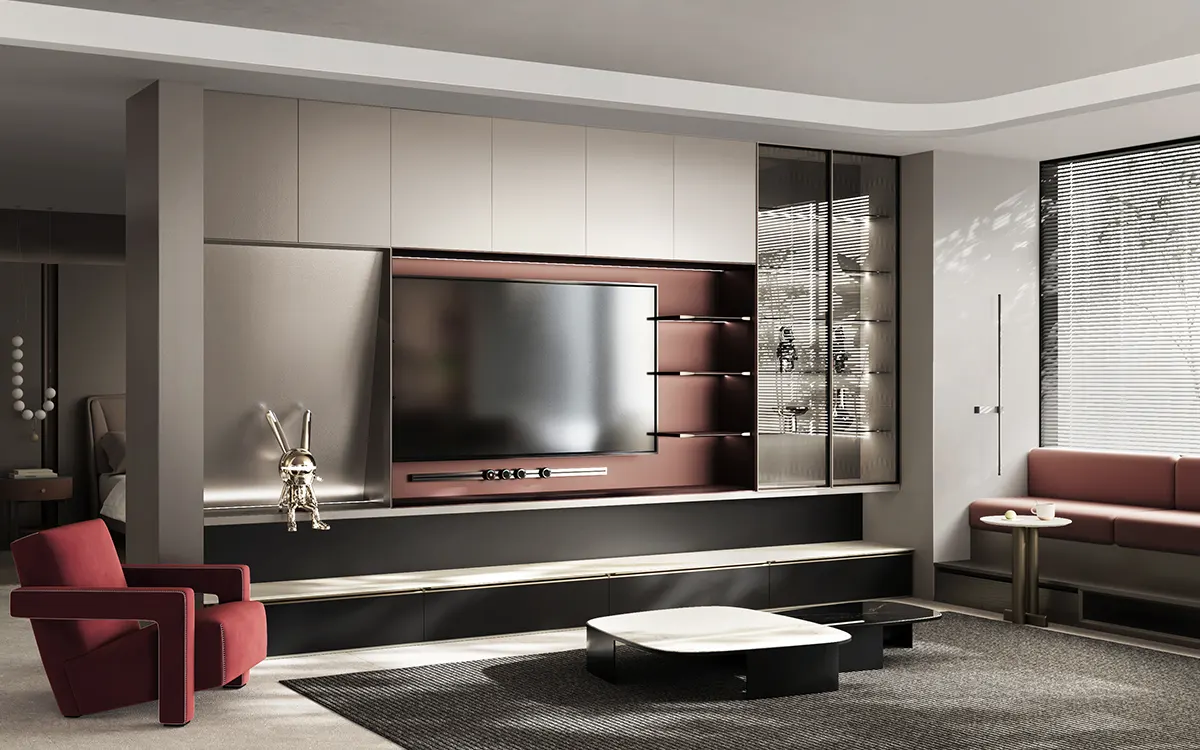
Modern living room design emphasizes custom wall systems, integrated media units, and storage that feels architectural rather than decorative.
This trend reduces clutter and creates a strong visual focal point, especially in open-plan homes.
Design tips:
- Design TV walls that combine storage, display, and lighting.
- Use contrasting materials to create depth without overcrowding
- Keep proportions balanced to avoid heavy, oversized installations
8. Streamlined Kitchen Interior Design
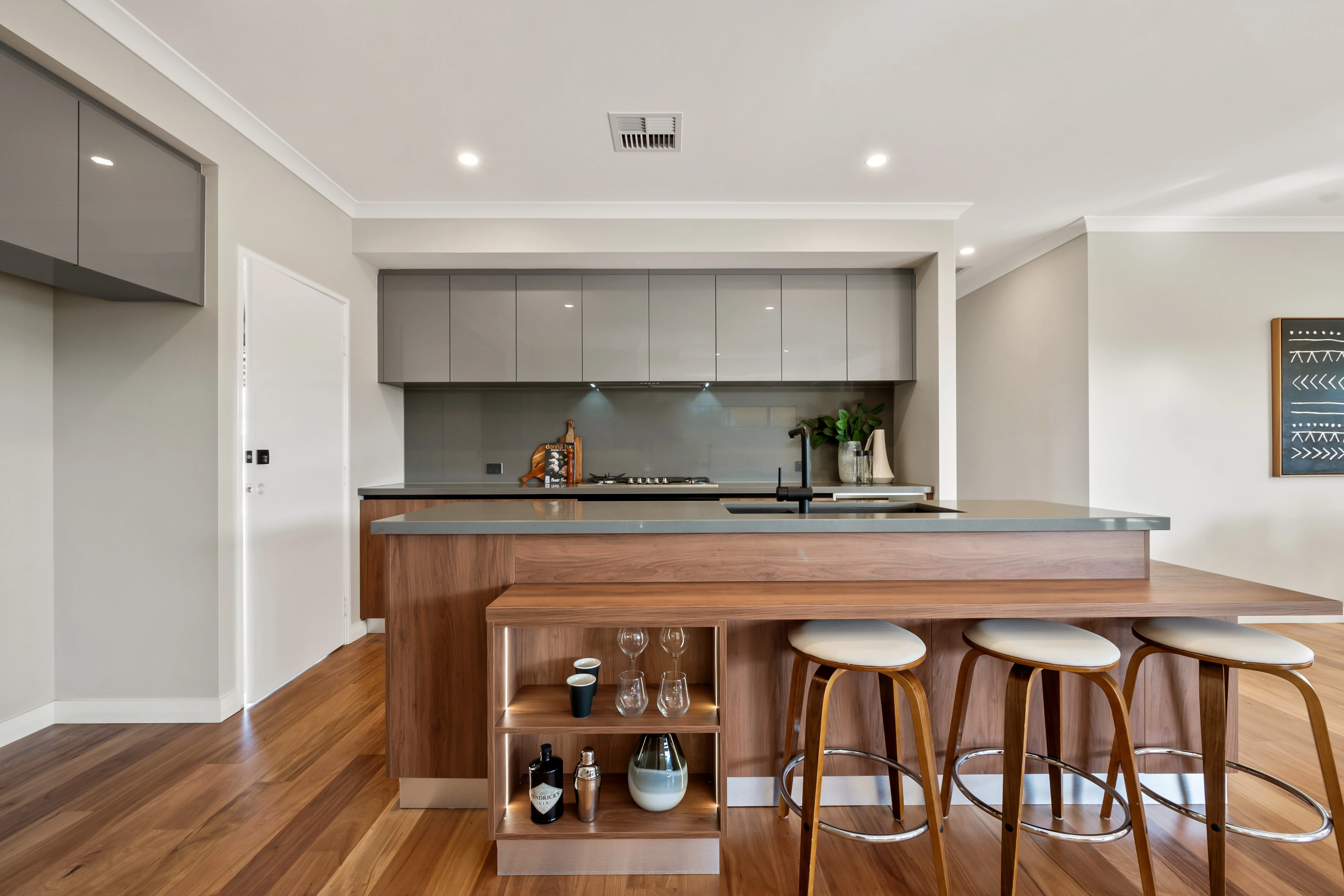
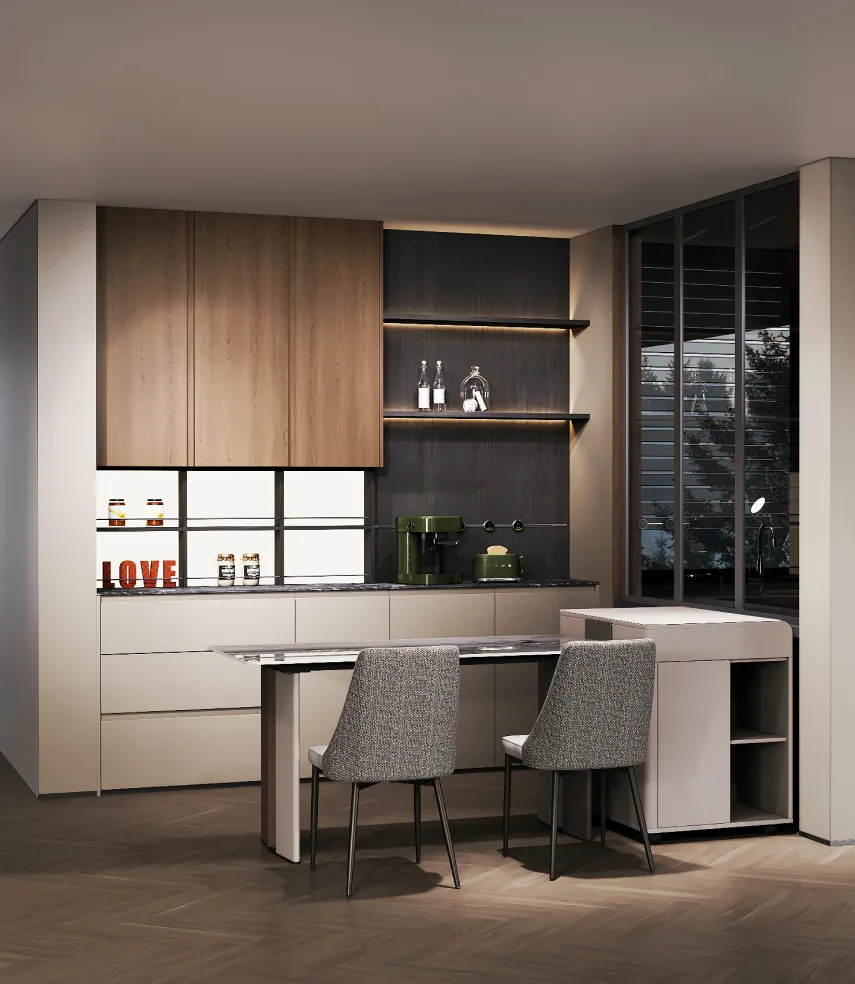
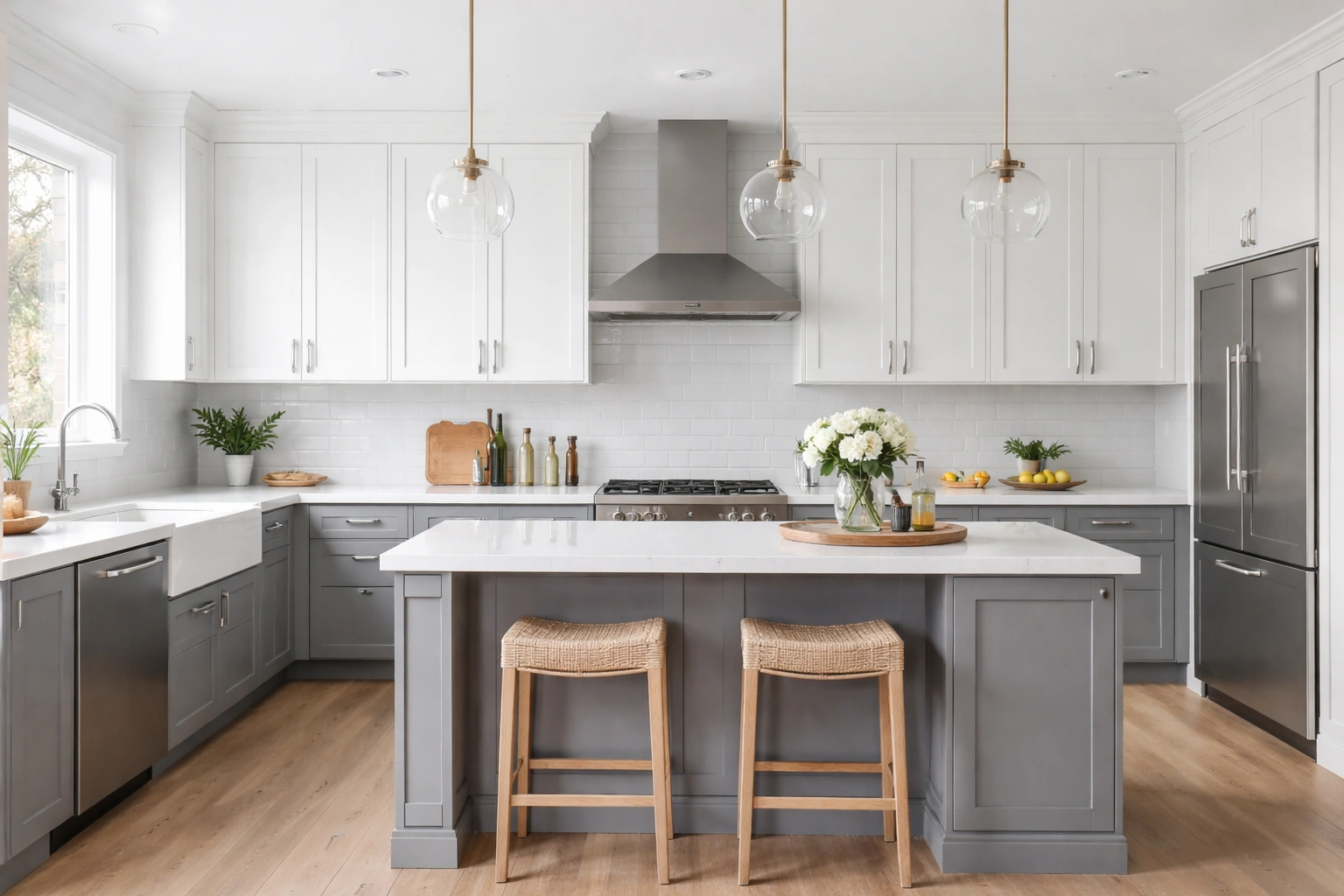
In whole-house projects, kitchen interior design must balance performance, durability, and style. Current trends favor clean layouts, handle-less cabinets, and concealed appliances.
The kitchen is no longer a standalone room. It visually connects to dining and living areas, requiring careful coordination.
Design tips:
- Match kitchen cabinet finishes with nearby living spaces
- Prioritize efficient work triangles and clear circulation paths
- Integrate tall storage units to reduce upper cabinet clutter
9. Hotel-Inspired Bedroom Interior Design
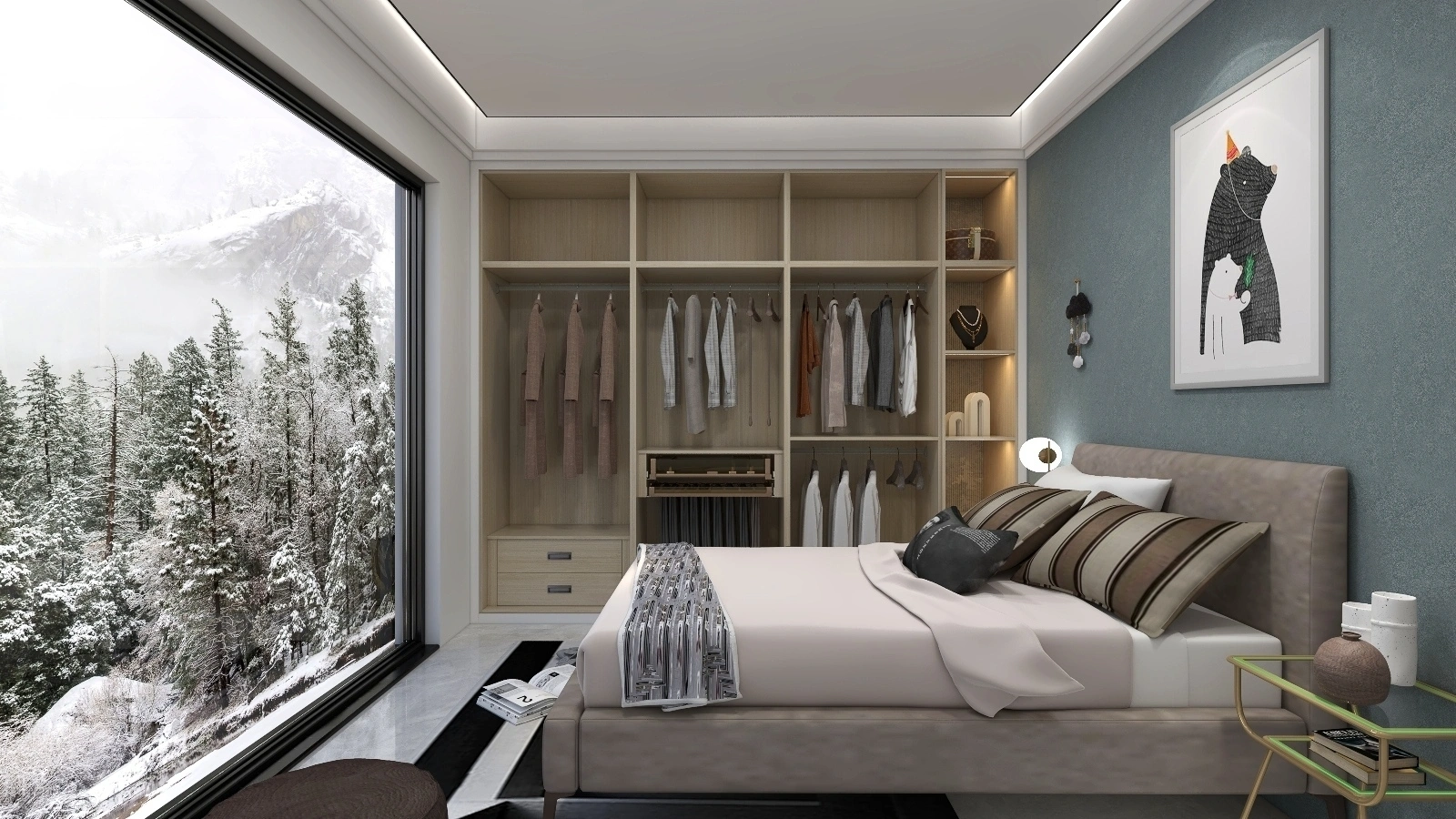
Bedroom interior design is moving toward a calm, hotel-like experience. Clients want bedrooms that feel restful, organized, and luxurious without being overly complex.
Custom wardrobes, headboard walls, and integrated lighting define this trend in whole-house solutions.
Design tips:
- Design full-height wardrobes to maximize storage
- Use upholstered or wood-paneled headboards for warmth
- Incorporate soft, indirect lighting for a relaxed atmosphere
10. Neutral Color Palettes with Subtle Contrast
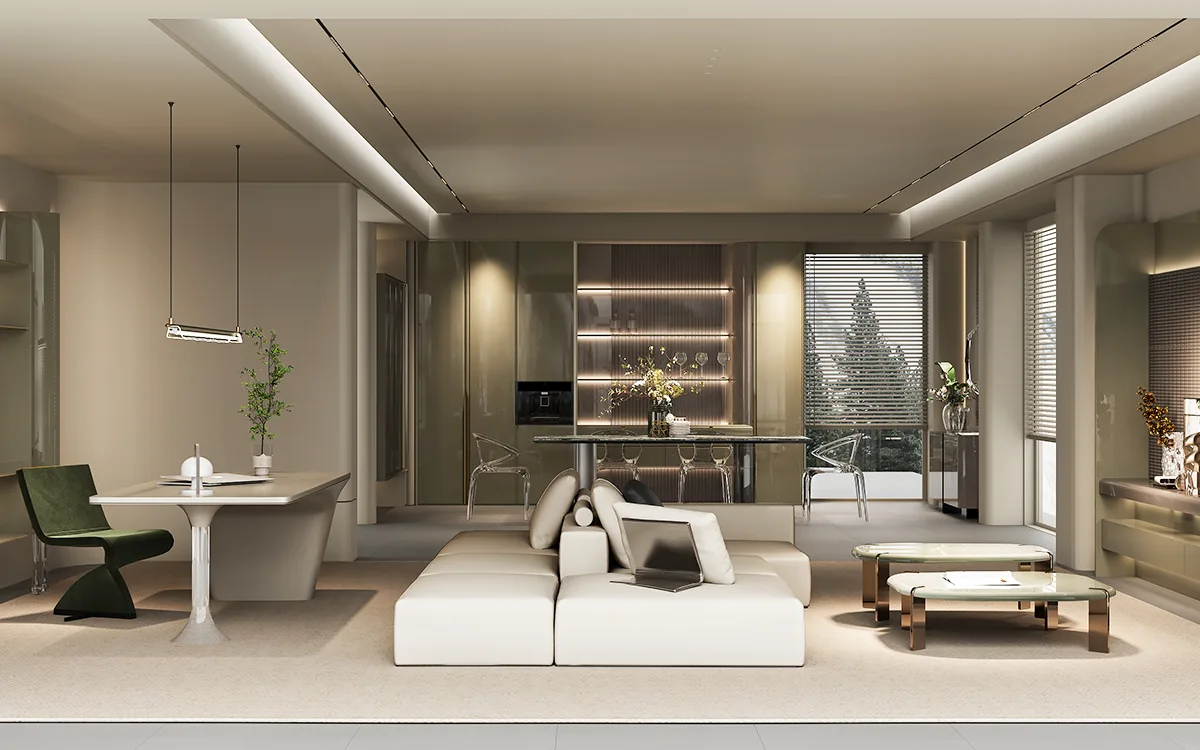
Bold colors are being replaced by layered neutrals in many interior design trends 2026 forecasts. Shades of beige, gray, warm brown, and muted greens create timeless interiors that appeal to a wide audience.
Contrast now comes from texture, lighting, and material variation rather than strong color blocks.
Design tips:
- Use two to three main neutral tones throughout the house
- Add contrast with metal accents, stone, or textured fabrics
- Ensure consistent color temperature in lighting across all rooms
Conclusion
The latest interior design trends clearly show that customization, cohesion, and functionality define modern whole-house solutions. From unified design concepts to smart integration and sustainable materials, these trends shape how homes are designed, built, and experienced.
For professionals working on large-scale or high-end residential projects, understanding and applying these ideas is essential. Thoughtful planning, material consistency, and long-term usability are what separate successful projects from average ones.
OPPOLIA offers one-stop, custom, whole-house solutions, from design and production to delivery and installation. We have exported to over 100 countries and completed over 10,000 projects. For interior designers, contractors, and builders managing large-scale developments, OPPOLIA provides the reliability and flexibility needed to bring complex designs to life.
If you are looking for a partner for large projects, OPPOLIA is a great choice. Tell us about your interior design needs, and we will make your dream a reality. Learn more about OPPOLIA’s completed projects, and contact us for a free quote.
FAQs about Interior Design Trends
Interior design trends help professionals align aesthetics, functionality, and market demand across an entire home. In whole-house customization, following current trends ensures visual consistency, efficient layouts, and long-term value, while also meeting client expectations and improving project competitiveness.
Individual room trends often focus on aesthetics, while whole-house solutions prioritize integration and scalability. Whole-house interior design trends emphasize unified materials, coordinated color palettes, and modular systems that work seamlessly across living room design, kitchen interior design, and bedroom interior design.
Trends such as modular cabinetry, standardized material systems, and integrated storage solutions are highly cost-effective. These approaches reduce production time, minimize installation errors, and help contractors and builders control budgets without compromising design quality.
Designers can reduce risk by using adaptable layouts, neutral base colors, and durable materials that support future updates. Following interior design trends 2026 thoughtfully means blending innovation—such as smart home integration—with proven, long-lasting design principles.
Well-executed interior design trends enhance perceived quality and functionality, making properties more attractive to buyers and investors. Cohesive whole-house design improves user experience, increases space efficiency, and often leads to higher resale and rental value.